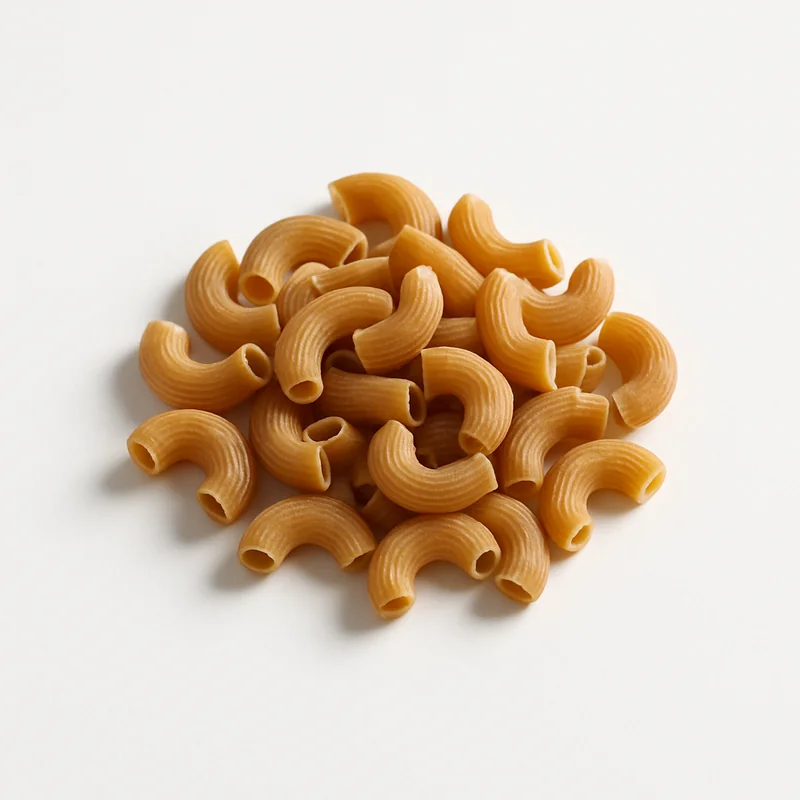
Macaroni
ScoreA
Macaroni is a refined wheat pasta rich in carbohydrates and plant-based protein, providing essential B vitamins and iron for sustained energy and metabolic function.
Why Macaroni scores 75
% Daily Value per ½ cup (50 g)
Nutrition
per 100 g
Health benefits
Supports cognitive function and DNA synthesis through folate availability
strong evidenceFolate (278 mcg per 100g) serves as a methyl donor in one-carbon metabolism, reducing homocysteine levels and supporting neuronal methylation patterns essential for memory and cognitive preservation with age
Maintains energy production and prevents anemia-related fatigue
strong evidenceIron content (4.28 mg) facilitates hemoglobin synthesis and serves as a cofactor in cytochrome oxidase, supporting aerobic respiration and mitochondrial ATP generation
Enhances NAD+ dependent longevity pathways through niacin provision
moderate evidenceNiacin (7.3 mg) is a precursor to NAD+, a critical coenzyme for sirtuin and PARP activation, which regulate cellular stress resistance, autophagy, and DNA repair mechanisms linked to aging
Supports sustained blood glucose stability and insulin sensitivity
moderate evidenceThe 4.3g fiber content, combined with macaroni's pasta structure, slows gastric emptying and glucose absorption, reducing postprandial glycemic spikes and associated inflammatory markers
Provides bioavailable plant-based protein for muscle maintenance
moderate evidence13.14g protein per 100g contains all essential amino acids; when paired with legumes, provides complete amino acid profile supporting sarcopenia prevention and muscle protein synthesis
Pairs well with
- ·Pair with lentils or chickpeas because their lysine content complements macaroni's amino acid profile, creating a complete plant protein with all essential amino acids for optimal muscle synthesis
- ·Combine with tomato sauce rich in lycopene because the fat-soluble antioxidant absorption is enhanced by macaroni's minimal fat content when sauce includes olive oil, reducing oxidative stress
- ·Mix with spinach or kale because their iron and folate synergize with macaroni's existing micronutrients, and cruciferous glucosinolates enhance detoxification enzyme activity
- ·Serve with sardines or mackerel because their omega-3 fatty acids (EPA/DHA) reduce the inflammatory response to refined carbohydrates and support cardiovascular and cognitive longevity
Practical tips
- ·Best timing: midday
- ·Choose whole-grain or legume-based macaroni varieties when possible; they provide 2-3x more fiber and polyphenols than refined versions, significantly improving glycemic control and microbiome health
- ·Cook al dente (firm to bite) rather than soft to reduce starch gelatinization and maintain a lower glycemic index, slowing glucose absorption by 20-30%
- ·Store in airtight containers away from heat and light to preserve B vitamins, particularly folate which is sensitive to oxidation; use within 1 year of purchase
- ·Prepare macaroni in a 1:2 pasta-to-water ratio and use the starchy cooking water to rinse (rather than drain completely) to preserve water-soluble B vitamins that leach during cooking
Related foods
What is Macaroni actually covering?
See which nutrients your diet already delivers and which ones your supplements still need to — food and pills measured on the same scale.
Check my nutrients2 questions · free · no account needed to start
Also on iPhone — get the free app
Evidence-based supplement guides, no spam
We send a short digest when new guides drop — nothing else. No affiliate pushes, no sponsored content, unsubscribe anytime.