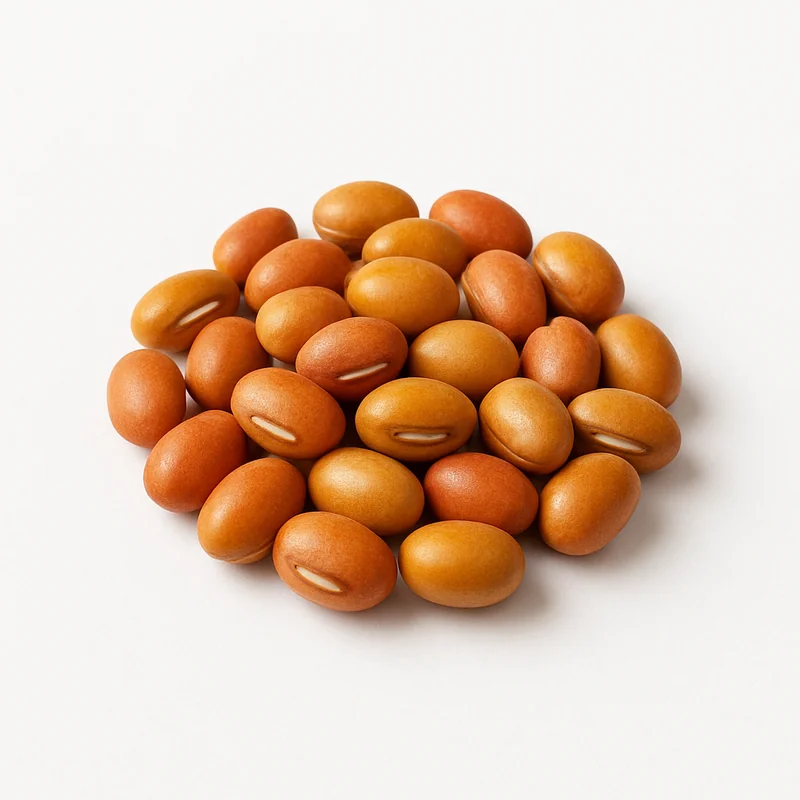
Pigeon Peas (Red Gram)
ScoreA+
Pigeon peas (red gram) are a nutrient-dense legume delivering 21.7g protein and 15g fiber per 100g, making them an exceptional plant-based protein source for sustained energy and digestive health.
Why Pigeon Peas (Red Gram) scores 93
% Daily Value per ½ cup (90 g)
Nutrition
per 100 g
Health benefits
Supports muscle maintenance and metabolic health through high plant-based protein
strong evidenceAt 21.7g protein per 100g, pigeon peas provide all essential amino acids in adequate quantities, supporting lean muscle preservation and protein turnover in aging adults
Promotes cardiovascular health and blood pressure regulation
strong evidenceHigh potassium (1392mg) and low sodium content improve potassium-to-sodium ratio; polyphenols reduce endothelial dysfunction and arterial stiffness
Enhances gut microbiome diversity and metabolic stability
strong evidenceHigh fiber (15g) and resistant starch act as prebiotics, feeding beneficial bacteria and producing short-chain fatty acids that improve insulin sensitivity and energy metabolism
Supports homocysteine metabolism and vascular health
moderate evidenceHigh folate content (456mcg per 100g) is essential for methylation reactions that convert homocysteine to methionine, reducing cardiovascular disease risk
Reduces inflammation and oxidative stress through polyphenol content
moderate evidencePigeon peas contain catechins, ferulic acid, and other phenolic compounds that scavenge free radicals and inhibit pro-inflammatory cytokine production
Pairs well with
- ·Pair with turmeric because curcumin enhances polyphenol bioavailability and synergistically reduces systemic inflammation
- ·Combine with vitamin C-rich foods (citrus, tomatoes, peppers) because ascorbic acid significantly increases non-heme iron absorption from pigeon peas
- ·Serve with whole grains (brown rice, millet) because complementary amino acid profiles create a complete protein with optimal essential amino acid ratios
- ·Mix with fermented foods (yogurt, miso, tempeh) because probiotics and enzymes enhance nutrient bioavailability and support gut microbiome colonization
Practical tips
- ·Best timing: midday
- ·Soak dried pigeon peas for 12-24 hours before cooking to reduce oligosaccharides (raffinose family) that cause digestive discomfort while preserving nutrient density
- ·Cook with a piece of kombu seaweed or ginger to further reduce flatulence-causing compounds and enhance mineral bioavailability
- ·Store dried pigeon peas in airtight containers in cool, dry conditions; they maintain optimal nutritional quality for 6-12 months
- ·For faster cooking, use a pressure cooker for 20-25 minutes rather than boiling for 45+ minutes, which preserves heat-sensitive vitamins like folate
- ·Sprout dried pigeon peas for 3-5 days to increase folate bioavailability by up to 30% and reduce antinutrients while maintaining protein integrity
Related foods
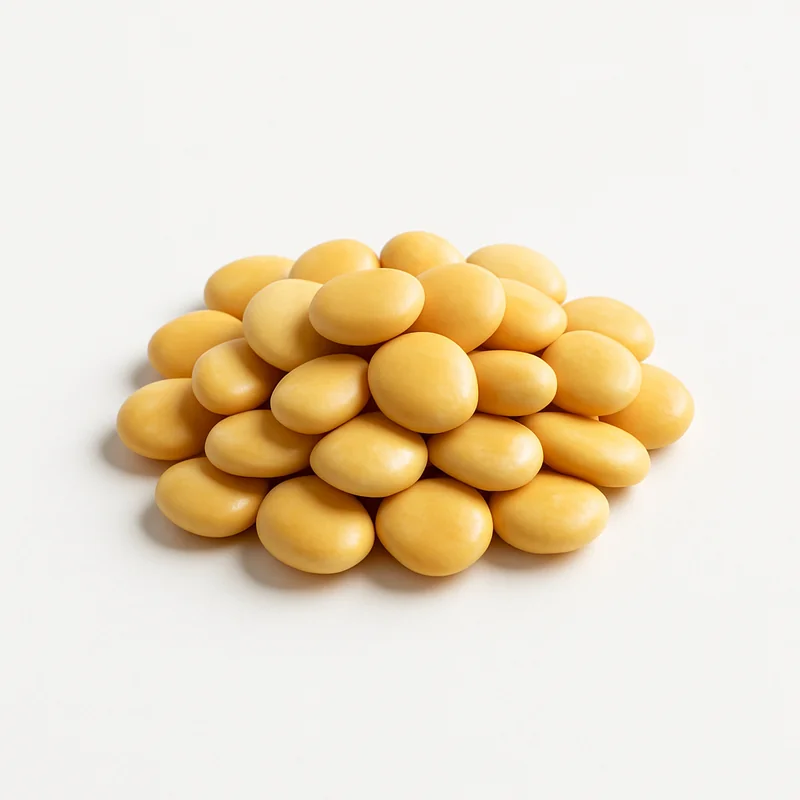
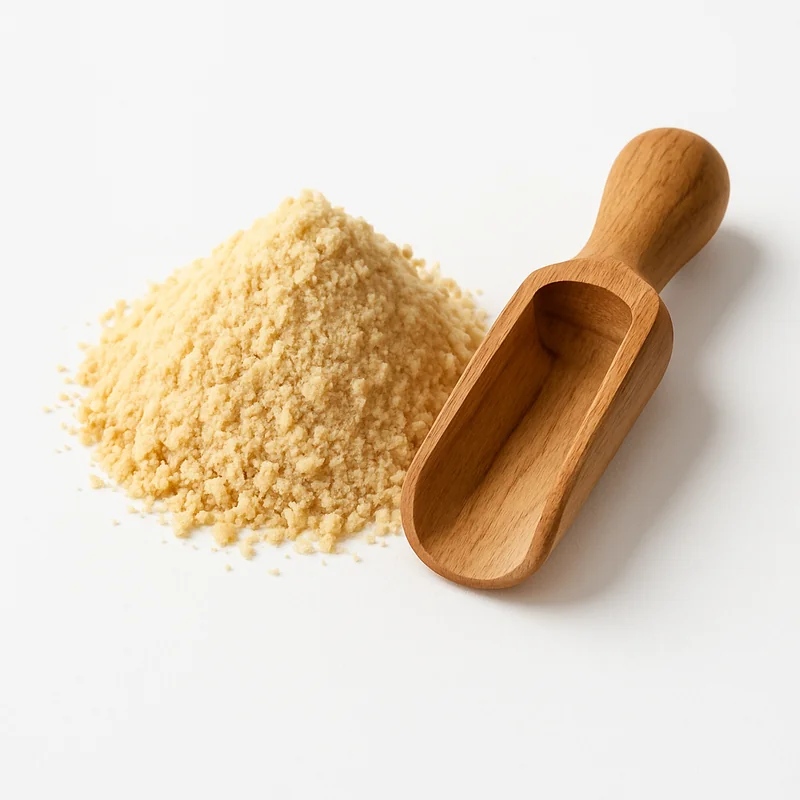
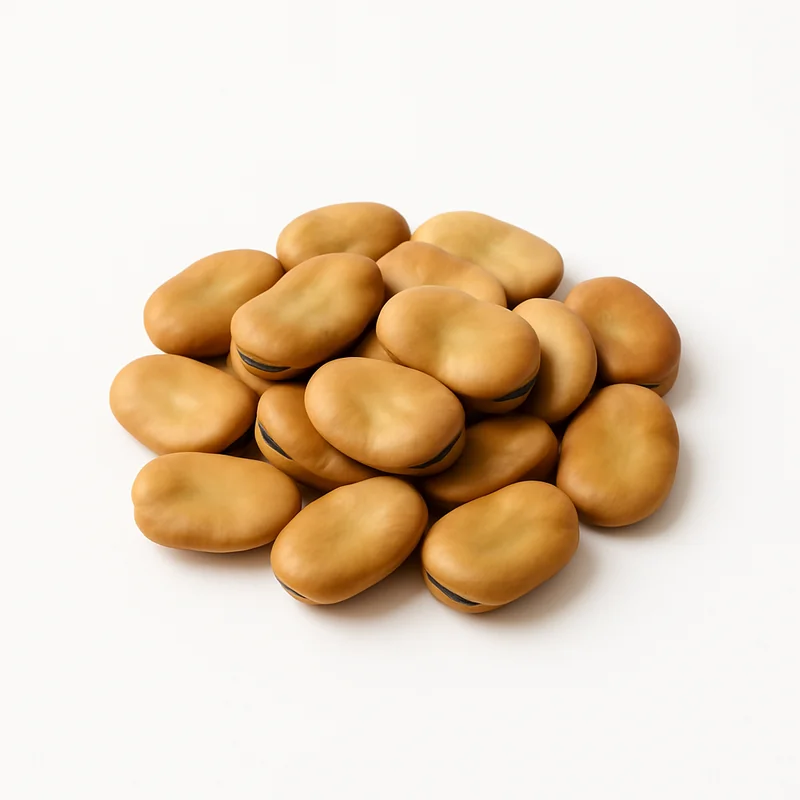
What is Pigeon Peas (Red Gram) actually covering?
See which nutrients your diet already delivers and which ones your supplements still need to — food and pills measured on the same scale.
Check my nutrients2 questions · free · no account needed to start
Also on iPhone — get the free app
Evidence-based supplement guides, no spam
We send a short digest when new guides drop — nothing else. No affiliate pushes, no sponsored content, unsubscribe anytime.