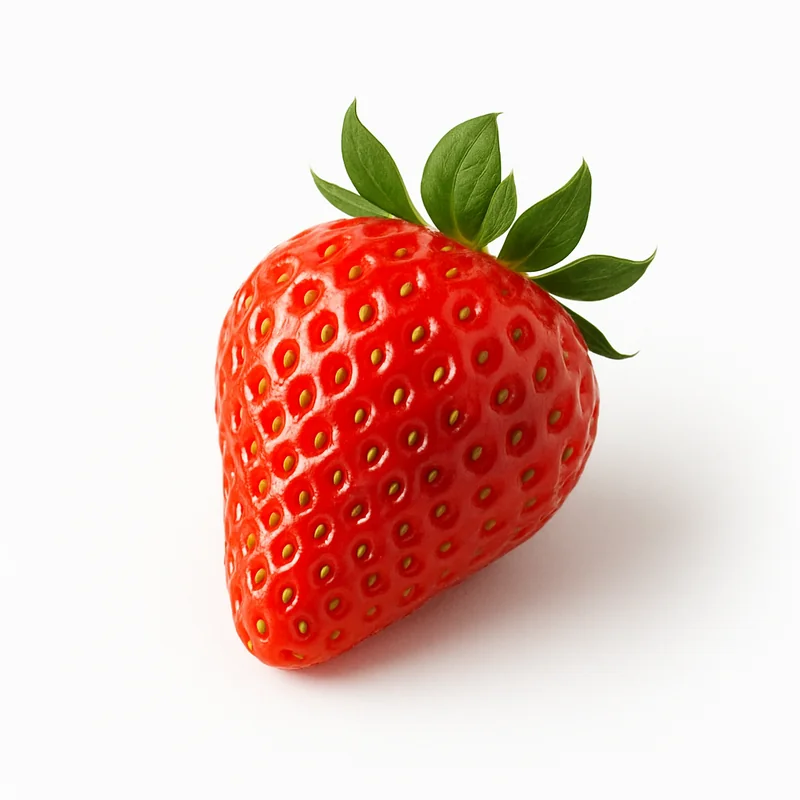
Strawberries
ScoreA+
Strawberries are nutrient-dense berries rich in vitamin C, antioxidants, and fiber, making them a foundational food for cardiovascular and metabolic health.
Why Strawberries scores 94
% Daily Value per 1 medium (140 g)
Nutrition
per 100 g
Health benefits
Cardiovascular disease risk reduction
strong evidenceAnthocyanins and polyphenols improve endothelial function, reduce LDL oxidation, and lower systemic inflammation markers
Enhanced insulin sensitivity and metabolic health
moderate evidenceEllagic acid and fiber moderate postprandial glucose response and support healthy insulin secretion patterns
Neuroprotection and cognitive preservation
moderate evidenceFlavonoids cross the blood-brain barrier and reduce neuroinflammation, protecting against age-related cognitive decline
Antioxidant and anti-inflammatory action
strong evidenceHigh anthocyanin and vitamin C content scavenge free radicals and suppress pro-inflammatory cytokines
Bone health support
emerging evidencePolyphenols promote osteoblast activity and may enhance calcium bioavailability; vitamin K contributes to bone mineralization
Pairs well with
- ·Pair with dark chocolate (70%+ cacao) because both contain complementary polyphenols that enhance antioxidant bioavailability and create synergistic anti-inflammatory effects
- ·Combine with almonds or walnuts because their vitamin E and omega-3 fats enhance polyphenol absorption and provide complementary cardiovascular support
- ·Mix with plain Greek yogurt because the protein slows carbohydrate absorption and the probiotics support gut microbiota diversity beneficial for polyphenol metabolism
- ·Pair with spinach or kale in smoothies because their lutein and zeaxanthin work synergistically with strawberry anthocyanins for enhanced ocular and neural protection
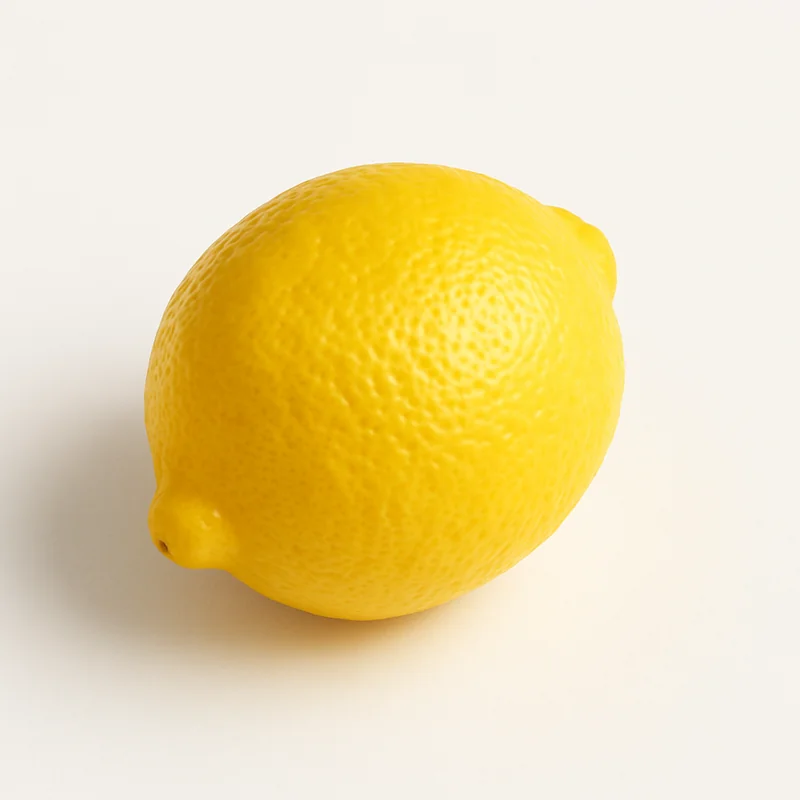
- ·Combine with citrus (lemon, orange) because the additional vitamin C boosts iron absorption from the strawberry's trace iron and enhances overall antioxidant status
Practical tips
- ·Best timing: morning
- ·Select firm, bright red strawberries with no white or pale patches; this indicates higher anthocyanin concentration and optimal ripeness
- ·Store unwashed strawberries in a paper towel-lined container in the refrigerator for up to 5 days; remove any moldy berries immediately to prevent spread
- ·Consume shortly after purchase or freezing, as polyphenol content begins declining within 48 hours post-harvest even under refrigeration
- ·Wash only immediately before consumption to minimize water-induced nutrient leaching; use gentle running water rather than soaking
- ·Consider frozen strawberries year-round as they are flash-frozen at peak ripeness, often retaining anthocyanin levels comparable to fresh berries
Related foods
What is Strawberries actually covering?
See which nutrients your diet already delivers and which ones your supplements still need to — food and pills measured on the same scale.
Check my nutrients2 questions · free · no account needed to start
Also on iPhone — get the free app
Evidence-based supplement guides, no spam
We send a short digest when new guides drop — nothing else. No affiliate pushes, no sponsored content, unsubscribe anytime.