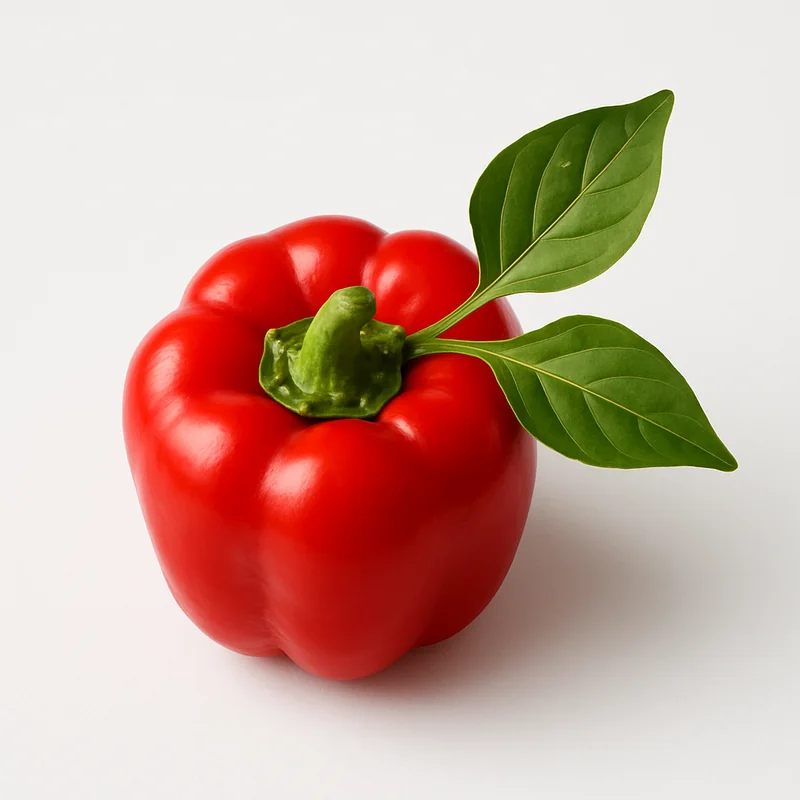
Pimento
ScoreA+
Pimento is a small, sweet red pepper variety prized for its mild flavor and high vitamin C content, offering exceptional antioxidant and micronutrient density with minimal calories.
Why Pimento scores 94
% Daily Value per ½ cup (85 g)
Nutrition
per 100 g
Health benefits
Supports cardiovascular health through blood pressure regulation
strong evidenceHigh potassium (158mg/100g) and low sodium ratio promote vasodilation and counteract sodium-induced hypertension, while vitamin C strengthens blood vessel integrity
Enhances immune function and reduces inflammation
strong evidenceVitamin C (85mg/100g) is essential for immune cell synthesis and function, while carotenoids and flavonoids provide antioxidant and anti-inflammatory effects
Supports eye health and vision longevity
moderate evidenceCarotenoids including lutein and zeaxanthin accumulate in retinal tissue and protect against age-related macular degeneration and cataracts
Promotes bone health through multiple micronutrients
moderate evidenceVitamin K (8.3mcg), calcium, magnesium, and phosphorus work synergistically to support bone mineralization and prevent osteoporotic decline
Supports cognitive function through antioxidant protection
emerging evidenceFlavonoids and carotenoids reduce neuroinflammation and oxidative stress implicated in age-related cognitive decline
Pairs well with
- ·Pair with olive oil because fat-soluble carotenoids require dietary fat for optimal absorption in the intestinal tract
- ·Combine with leafy greens because vitamin C enhances iron bioavailability from plant-based sources, improving overall iron status
- ·Serve with legumes because pimentos' vitamin C boosts absorption of plant-based iron while complementing protein intake
- ·Add to dishes with cruciferous vegetables because combined glucosinolates and flavonoids provide synergistic anti-inflammatory effects
Practical tips
- ·Best timing: Pimentos contain no compounds requiring specific circadian timing and are beneficial throughout the day. Include in meals with dietary fat to maximize carotenoid absorption; no special timing constraints apply.
- ·Store fresh pimentos in the refrigerator's crisper drawer wrapped in paper towels for 1-2 weeks; they deteriorate faster than larger peppers due to higher surface-area-to-mass ratio
- ·Roast pimentos whole over an open flame or in a 425°F oven for 15-20 minutes, then cool in a covered bowl to steam the skin off for easier peeling—this concentrates sweet flavors and may increase carotenoid bioavailability
- ·Drain jarred pimentos canned in brine and rinse before use to reduce sodium intake, or select water-packed varieties when available
- ·Add fresh pimentos raw to salads or as antipasto to preserve maximum vitamin C content; heat degrades water-soluble vitamins over extended cooking
- ·Keep stuffed olives with pimento packing on hand as a convenient snack, though account for sodium content from brining in daily intake tracking
Related foods
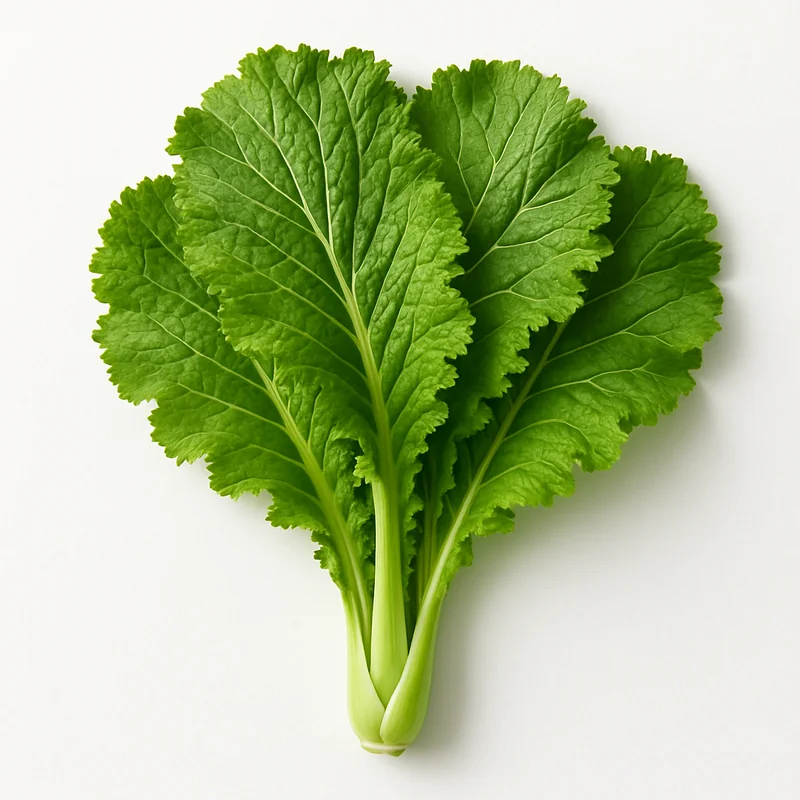
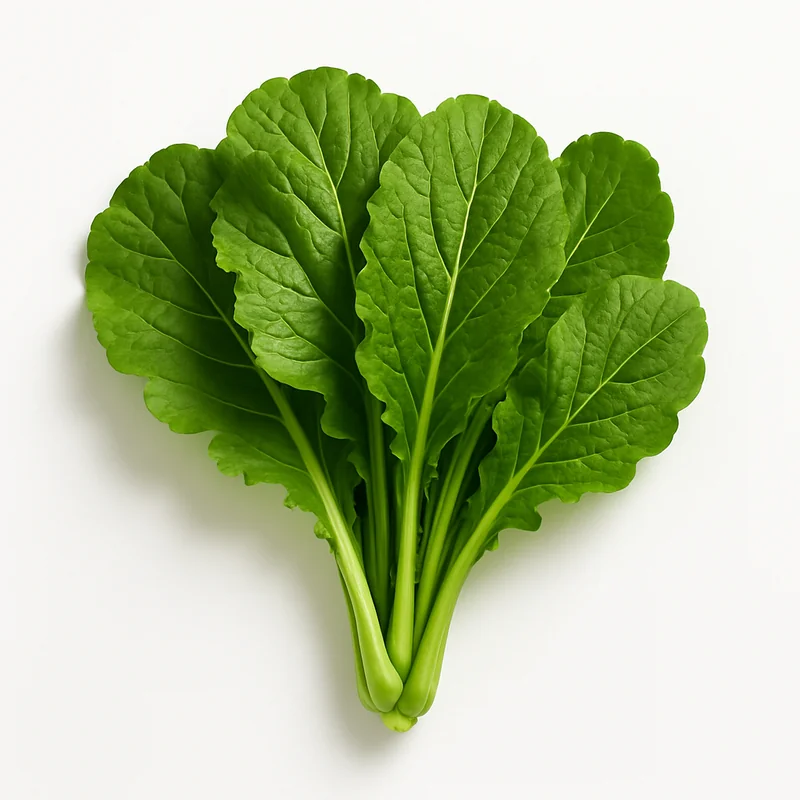
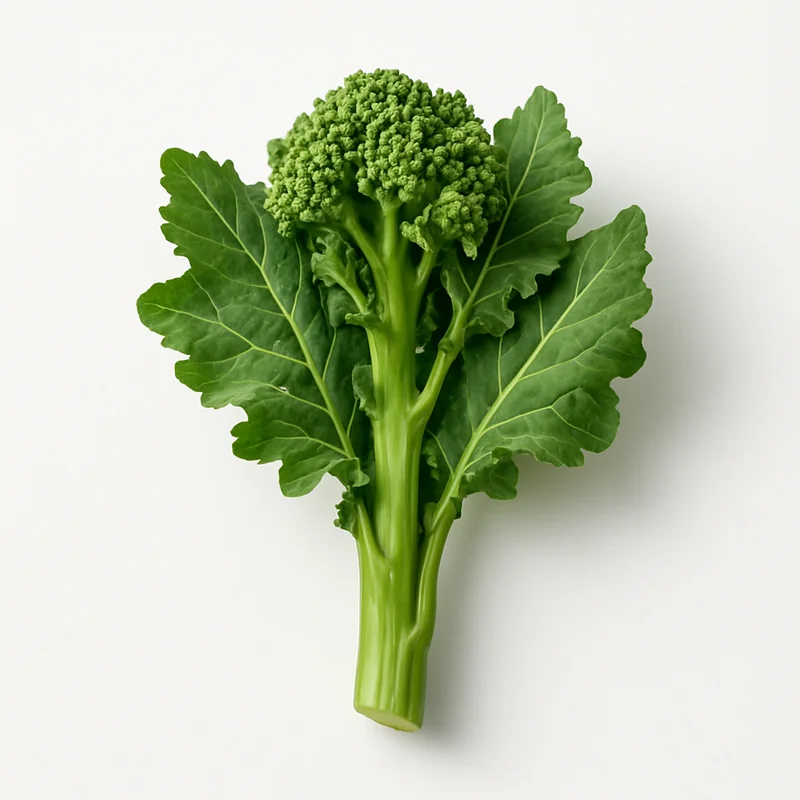
What is Pimento actually covering?
See which nutrients your diet already delivers and which ones your supplements still need to — food and pills measured on the same scale.
Check my nutrients2 questions · free · no account needed to start
Also on iPhone — get the free app
Evidence-based supplement guides, no spam
We send a short digest when new guides drop — nothing else. No affiliate pushes, no sponsored content, unsubscribe anytime.