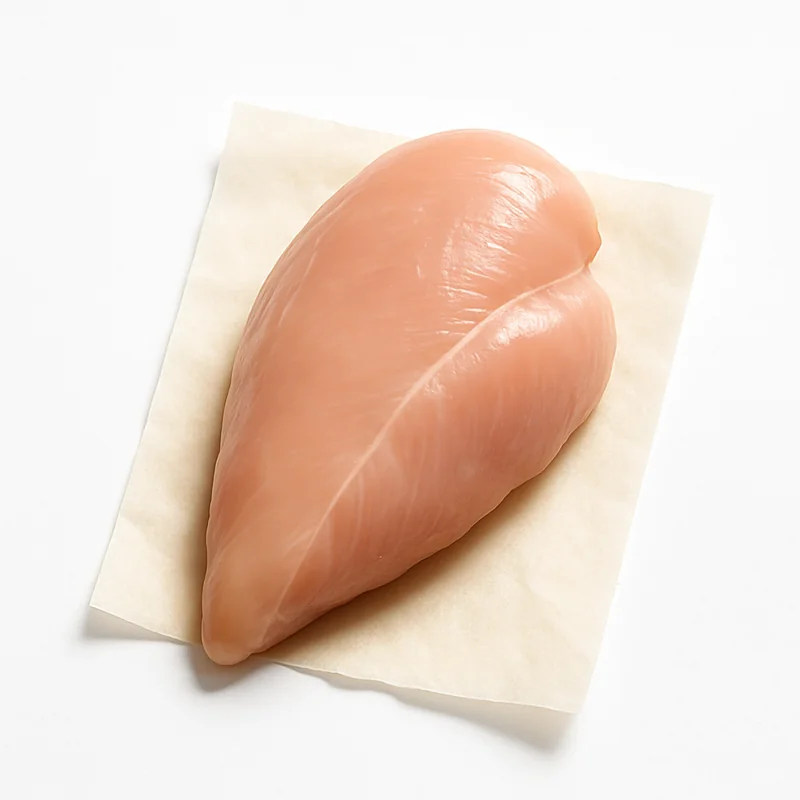
Chicken Breast
ScoreA
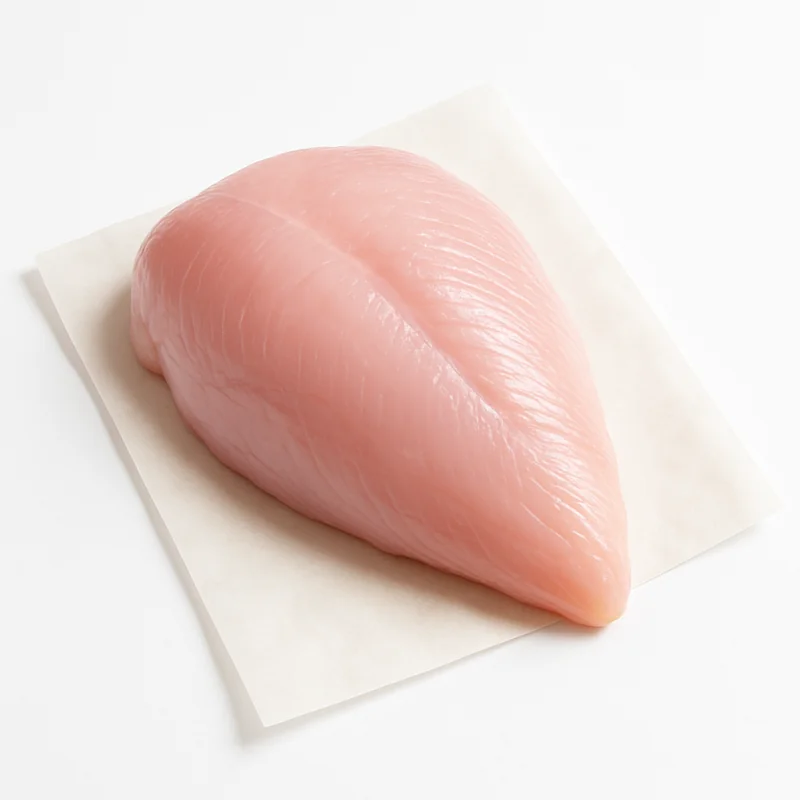
Chicken breast is a lean, high-protein poultry staple providing 16.8g of protein per 100g with minimal fat and carbohydrates, making it a cornerstone protein source for longevity-focused nutrition.
Why Chicken Breast scores 77
% Daily Value per 3 oz (85 g)
Nutrition
per 100 g
Health benefits
Supports muscle mass preservation and strength maintenance with age
strong evidenceHigh-quality complete protein (all essential amino acids) with 16.8g per 100g stimulates muscle protein synthesis via mTOR signaling, critical for combating sarcopenia in aging populations
Enhances metabolic rate and supports weight management
strong evidenceHigh thermic effect of protein (20-30% of calories burned during digestion) combined with low caloric density promotes satiety and thermogenesis, supporting metabolic flexibility
Supports antioxidant defense and cellular stress resilience
strong evidenceSelenium (6.1 mcg) is essential for glutathione peroxidase synthesis, protecting cells from oxidative damage and supporting redox balance in aging tissues
Supports DNA repair and metabolic energy production
strong evidenceNiacin (2.74 mg) functions as a coenzyme for NAD+-dependent enzymes regulating DNA repair, mitochondrial function, and cellular energy metabolism
Promotes bone health through phosphorus-mineral balance
moderate evidencePhosphorus (256 mg) works synergistically with calcium and magnesium to maintain bone mineral density and support osteoblast function
Pairs well with
- ·Pair with leafy greens (spinach, kale) because their vitamin K and folate enhance bone mineralization and support the DNA repair processes that niacin initiates
- ·Combine with tomatoes or red peppers because their lycopene and vitamin C enhance selenium absorption and amplify antioxidant defense via synergistic polyphenol interactions
- ·Serve with mushrooms (especially shiitake) because their ergothioneine and polysaccharides provide complementary antioxidant and immune-supporting compounds that work alongside chicken's selenium
- ·Pair with garlic because its allicin compounds enhance sulfur metabolism and support glutathione synthesis, amplifying the antioxidant benefits of chicken's selenium
Practical tips
- ·Best timing: post-workout
- ·Choose skinless breast over bone-in or skin-on varieties to minimize saturated fat intake while retaining protein density; refrigerate immediately after purchase and use within 2-3 days
- ·Avoid charring or high-heat dry cooking methods; instead poach, steam, or bake at ≤350°F to prevent formation of advanced glycation end products (AGEs) that promote inflammation
- ·Trim any visible white tendon or connective tissue before cooking to reduce chewy texture and improve digestibility
- ·Portion to 120-150g per meal (roughly palm-sized) for optimal muscle protein synthesis stimulation; larger portions don't increase synthesis further but increase caloric intake
Related foods
What is Chicken Breast actually covering?
See which nutrients your diet already delivers and which ones your supplements still need to — food and pills measured on the same scale.
Check my nutrients2 questions · free · no account needed to start
Also on iPhone — get the free app
Evidence-based supplement guides, no spam
We send a short digest when new guides drop — nothing else. No affiliate pushes, no sponsored content, unsubscribe anytime.