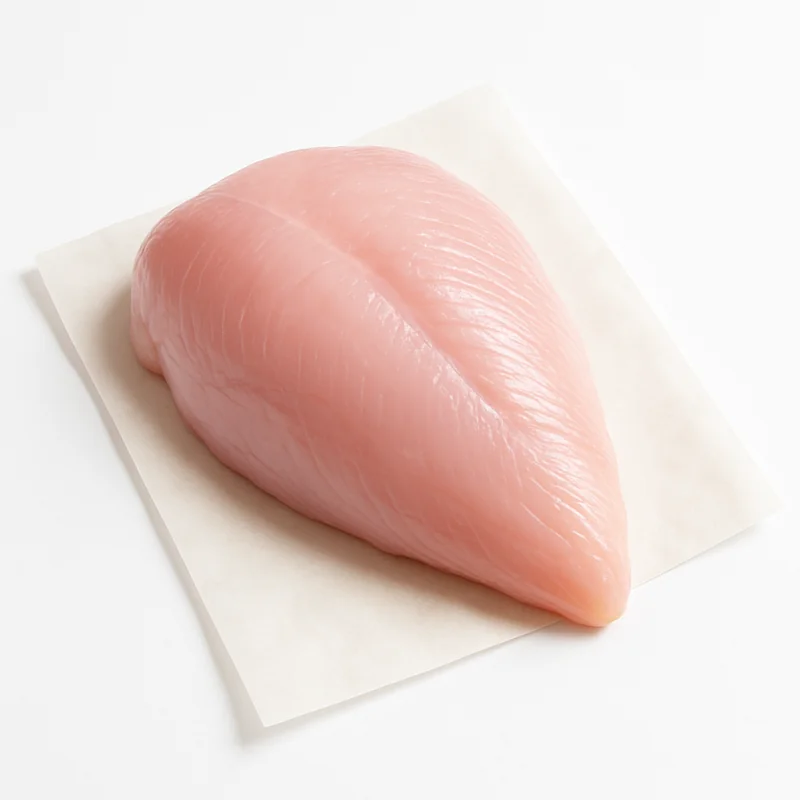
Turkey Breast
ScoreA
Turkey breast is a lean poultry protein delivering 21.8g of protein per 100g with minimal fat, making it an efficient source of amino acids for muscle maintenance and metabolic health.
Why Turkey Breast scores 81
% Daily Value per 3 oz (85 g)
Nutrition
per 100 g
Health benefits
Supports lean muscle maintenance and growth across the lifespan
strong evidenceHigh protein content (21.8g/100g) with complete amino acid profile stimulates muscle protein synthesis, particularly important for offsetting age-related sarcopenia
Enhances thyroid function and antioxidant defense
strong evidenceSelenium (22.8mcg/100g) is a core component of selenoproteins including glutathione peroxidase, protecting cells from oxidative damage and supporting thyroid hormone metabolism
Promotes cognitive function and neuroplasticity
moderate evidenceCholine (66.4mg/100g) serves as a precursor to acetylcholine neurotransmitter and is incorporated into phosphatidylcholine, critical for memory and cognitive reserve
Supports cardiovascular health and healthy blood pressure
strong evidenceLow saturated fat (0.83g/100g) and minimal sodium relative to other animal proteins, combined with potassium (211mg), promotes healthy lipid profiles and vascular function
Facilitates efficient weight management without muscle loss
moderate evidenceExceptional protein density with minimal calories and virtually no carbohydrates increases satiety while preserving metabolically active lean mass during caloric restriction
Pairs well with
- ·Pair with sweet potatoes because vitamin A in the potato enhances selenium absorption and both foods support immune function synergistically
- ·Combine with cruciferous vegetables (broccoli, Brussels sprouts) because their sulfur compounds enhance glutathione synthesis, amplifying antioxidant protection from turkey's selenium
- ·Serve with citrus (lemon, orange) because vitamin C enhances non-heme mineral absorption and supports collagen synthesis alongside turkey's amino acids for tissue repair
- ·Pair with mushrooms (especially shiitake) because ergothioneine in mushrooms combines with turkey's complete protein to optimize antioxidant and immune defense
- ·Combine with olive oil-based preparations because fat-soluble nutrient absorption is enhanced and polyphenols in quality olive oil reduce oxidative stress from protein metabolism
Practical tips
- ·Best timing: post-workout
- ·Select skinless turkey breast to minimize saturated fat while retaining all protein and micronutrient benefits; skin adds ~5-7g fat per 100g
- ·Cook using low-heat poaching, steaming, or sous-vide methods rather than high-heat charring to minimize heterocyclic amine (HCA) formation, which increases with temperature
- ·Store raw turkey breast at 40°F or below for maximum 2 days, or freeze immediately in airtight containers for up to 3 months to preserve nutrient integrity
- ·Consume 100-150g serving sizes post-workout or at midday to optimize muscle protein synthesis when amino acid transport is most efficient
- ·Marinate turkey breast in acidic base (lemon juice, vinegar) for 2+ hours before cooking to reduce HCA formation while tenderizing the lean meat
Related foods
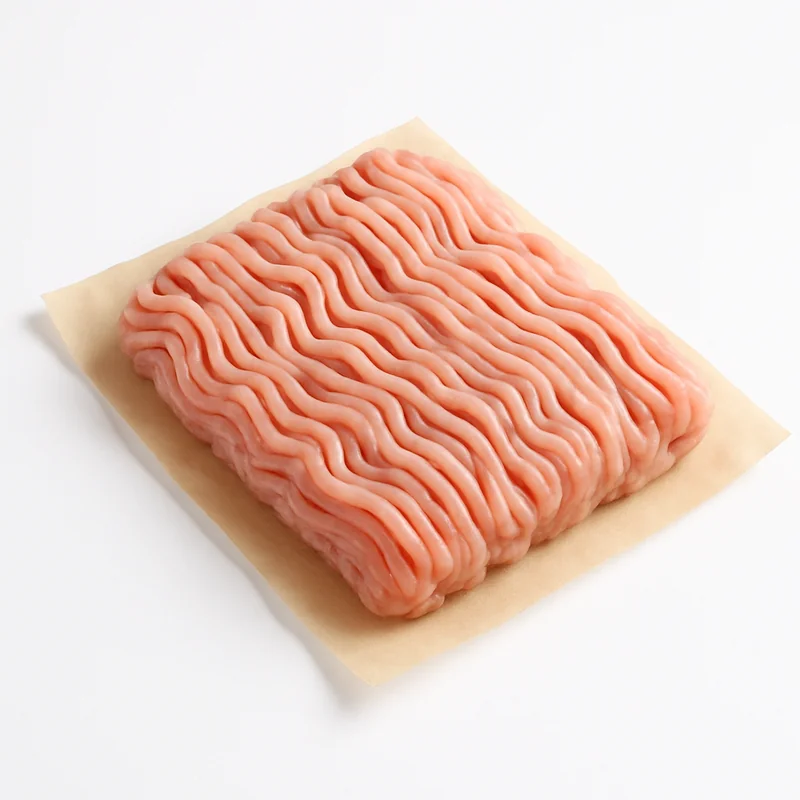
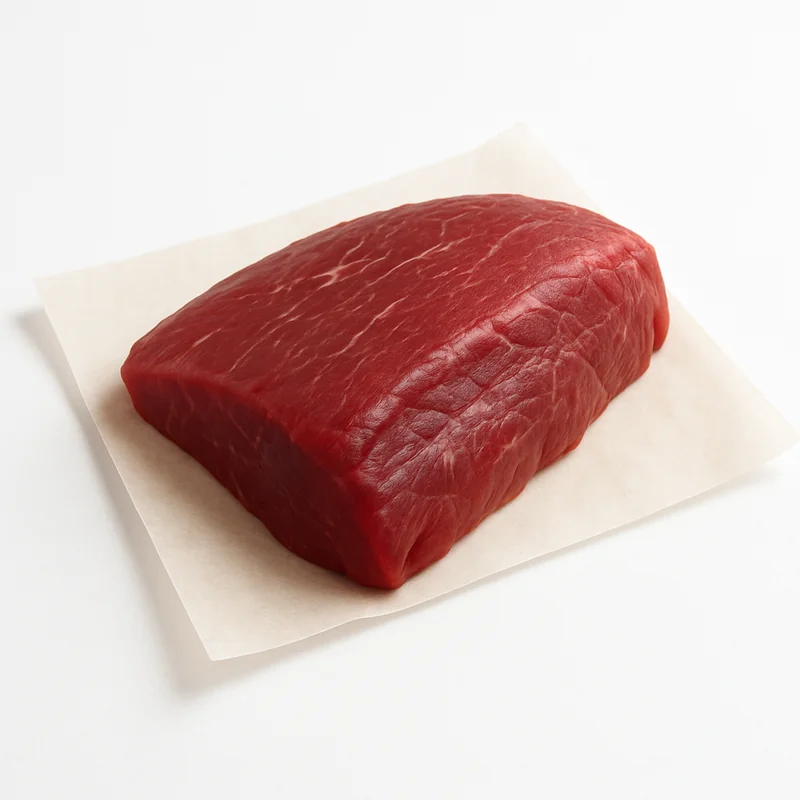
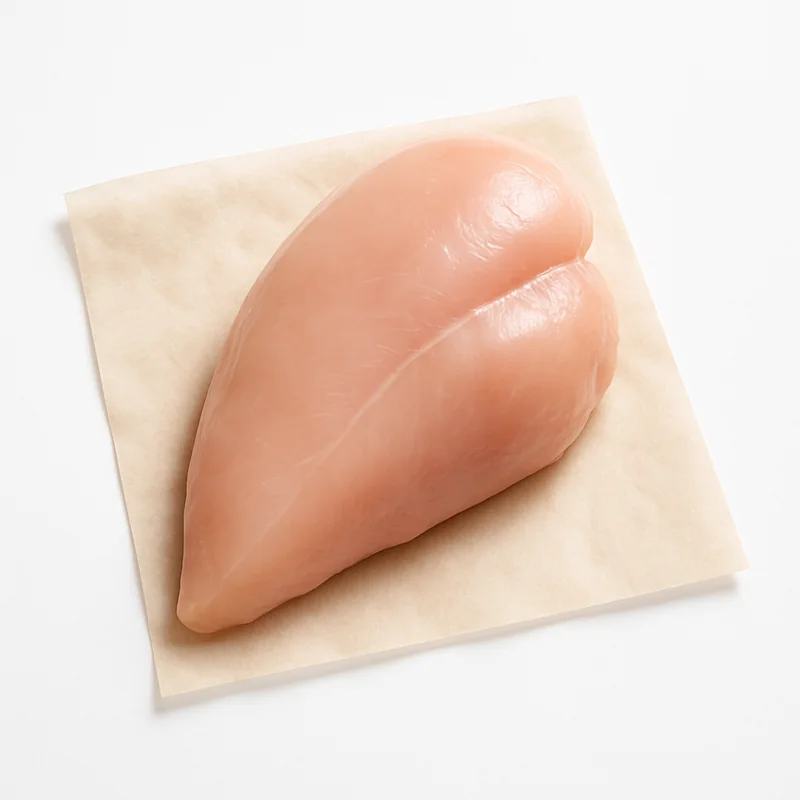
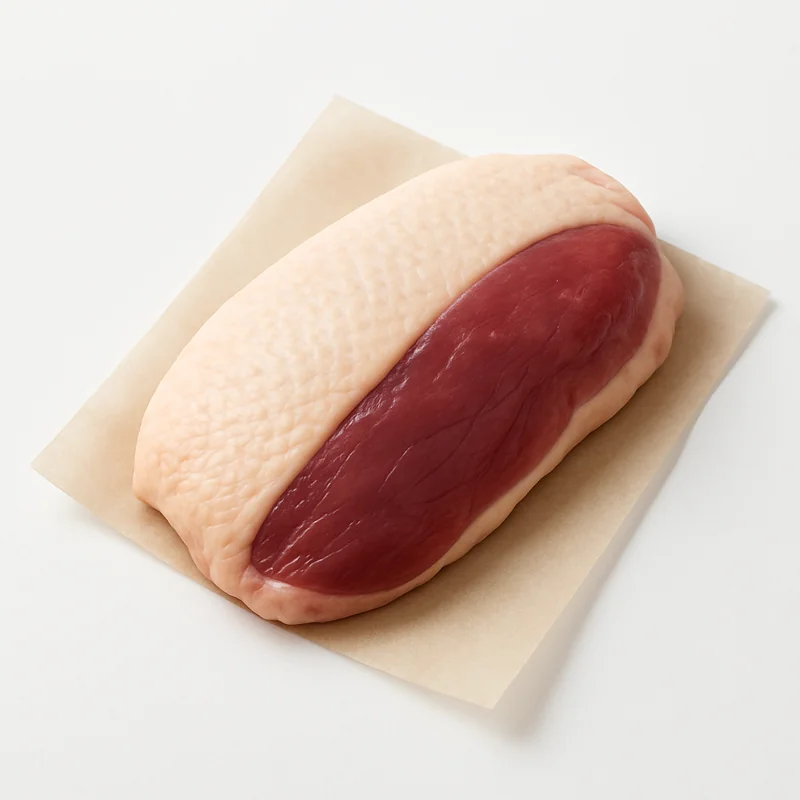
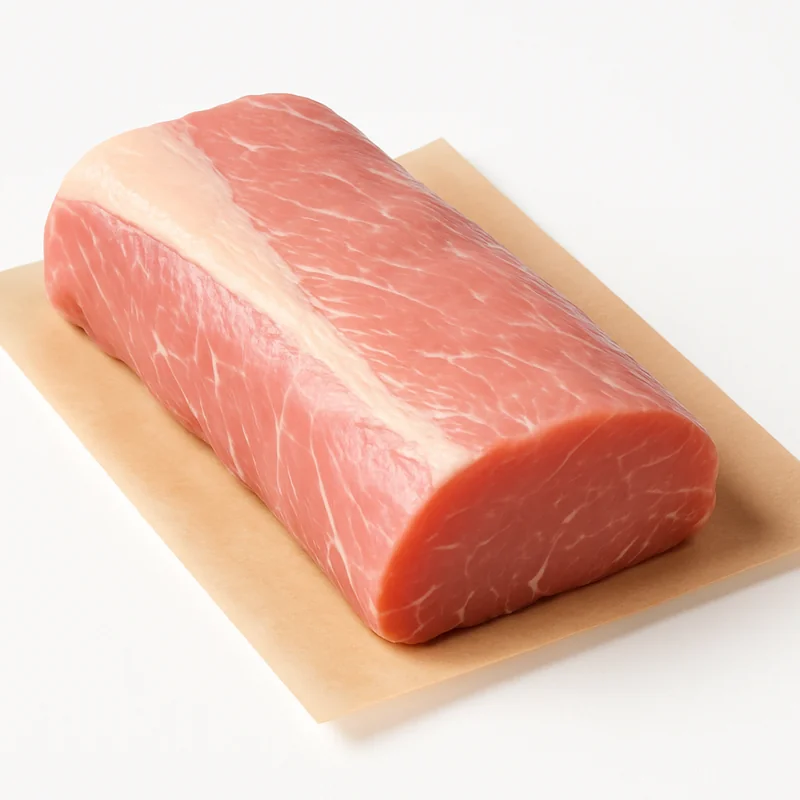
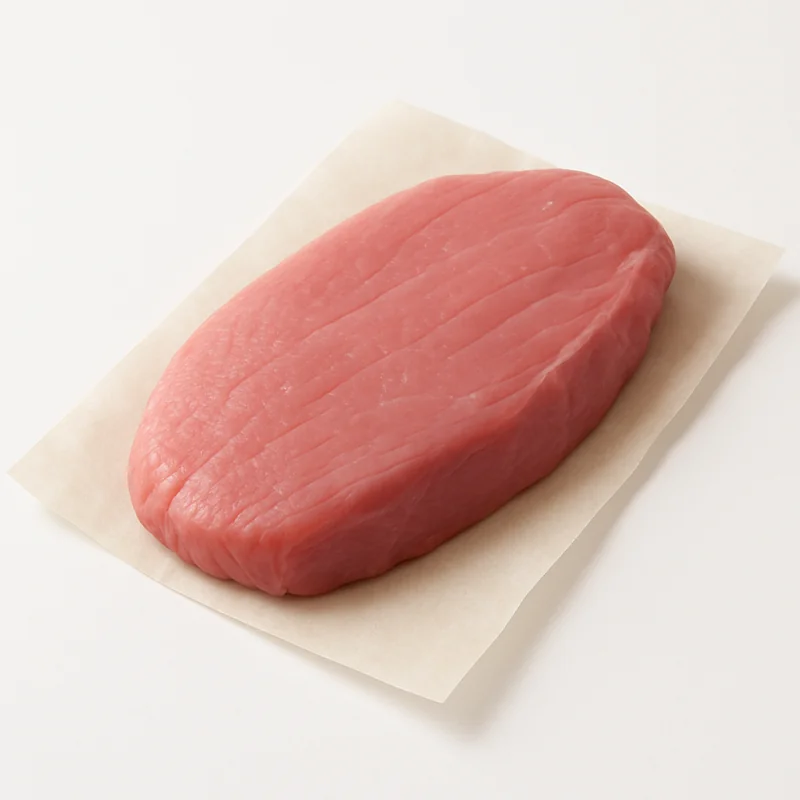
What is Turkey Breast actually covering?
See which nutrients your diet already delivers and which ones your supplements still need to — food and pills measured on the same scale.
Check my nutrients2 questions · free · no account needed to start
Also on iPhone — get the free app
Evidence-based supplement guides, no spam
We send a short digest when new guides drop — nothing else. No affiliate pushes, no sponsored content, unsubscribe anytime.