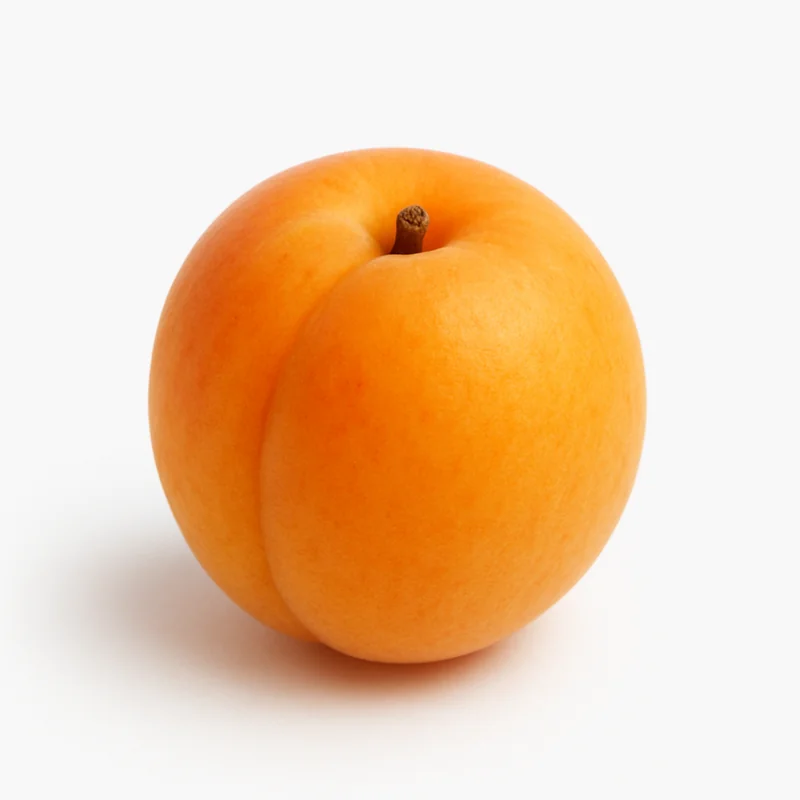
Apricot
ScoreA+
Apricots are nutrient-dense stone fruits rich in beta-carotene (vitamin A), potassium, and fiber, with a low caloric density making them ideal for longevity-focused nutrition.
Why Apricot scores 93
% Daily Value per 1 medium (140 g)
Nutrition
per 100 g
Health benefits
Cardiovascular protection and blood pressure regulation
strong evidenceHigh potassium content (259mg/100g) reduces sodium-potassium ratio in cells, promoting vasodilation and reducing arterial stiffness while supporting healthy blood pressure
Antioxidant defense against age-related cellular damage
strong evidenceBeta-carotene and polyphenols (chlorogenic acid, caffeic acid) neutralize free radicals and reduce oxidative stress, protecting mitochondrial DNA and cellular proteins from degradation
Gut microbiome support and digestive resilience
moderate evidenceDietary fiber acts as prebiotic substrate for beneficial bacteria, promoting production of short-chain fatty acids (butyrate) that strengthen intestinal barrier integrity
Cognitive function preservation and neuroprotection
moderate evidencePolyphenolic compounds cross the blood-brain barrier and reduce neuroinflammation, protecting against amyloid accumulation and age-related cognitive decline
Bone health maintenance through micronutrient synergy
moderate evidencePotassium, magnesium, and phosphorus work synergistically to maintain optimal bone mineral density and reduce fracture risk in aging populations
Pairs well with
- ·Pair with almonds or walnuts because the fat-soluble vitamin A (beta-carotene) requires dietary fat for optimal absorption and bioavailability
- ·Combine with Greek yogurt or kefir because the probiotic cultures interact synergistically with prebiotic fiber to enhance beneficial bacterial colonization
- ·Mix with leafy greens (spinach, kale) because complementary polyphenols and minerals create additive antioxidant effects and enhance iron bioavailability
- ·Serve with chamomile or hibiscus tea because polyphenol compounds enhance each other's antioxidant activity and support cardiovascular health
Practical tips
- ·Best timing: midday
- ·Select apricots with slight give when gently squeezed; avoid rock-hard or overly soft specimens which indicate underripeness or spoilage
- ·Store fresh apricots at room temperature until ripe, then refrigerate in a paper bag to maintain texture and prevent mold while preserving nutrients for 5-7 days
- ·Consume whole apricots with skin intact to maximize fiber intake; the skin contains concentrated polyphenols and carotenoids
- ·Soak dried apricots for 2-3 hours before eating to rehydrate and improve digestibility while moderating fructose impact due to increased volume
- ·Timing: consume fresh apricots mid-morning or as a post-workout snack when carbohydrate replenishment is beneficial and glycemic response is minimized by physical activity
Related foods



What is Apricot actually covering?
See which nutrients your diet already delivers and which ones your supplements still need to — food and pills measured on the same scale.
Check my nutrients2 questions · free · no account needed to start
Also on iPhone — get the free app
Evidence-based supplement guides, no spam
We send a short digest when new guides drop — nothing else. No affiliate pushes, no sponsored content, unsubscribe anytime.