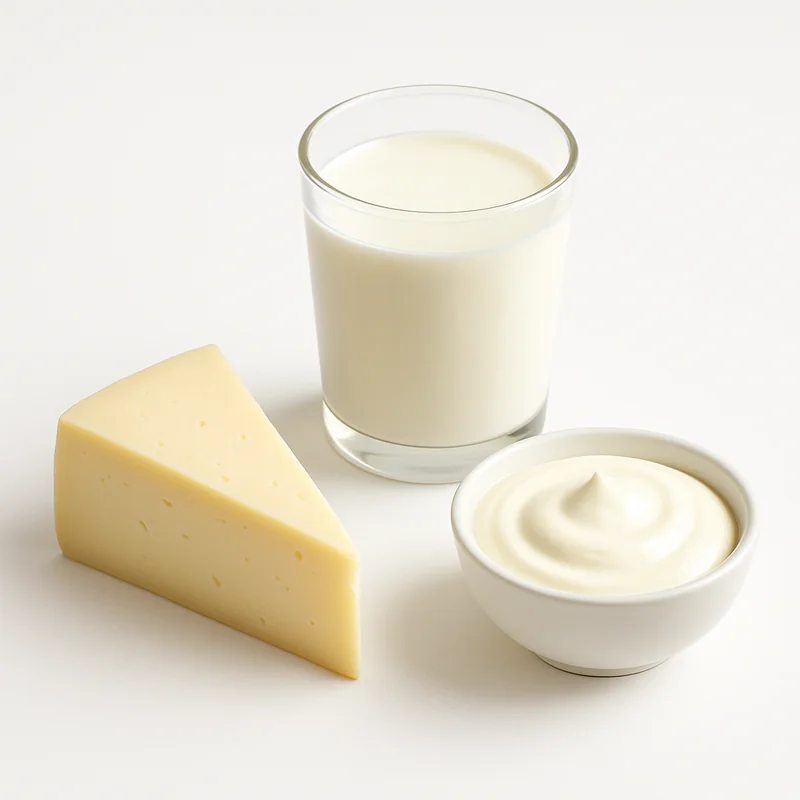
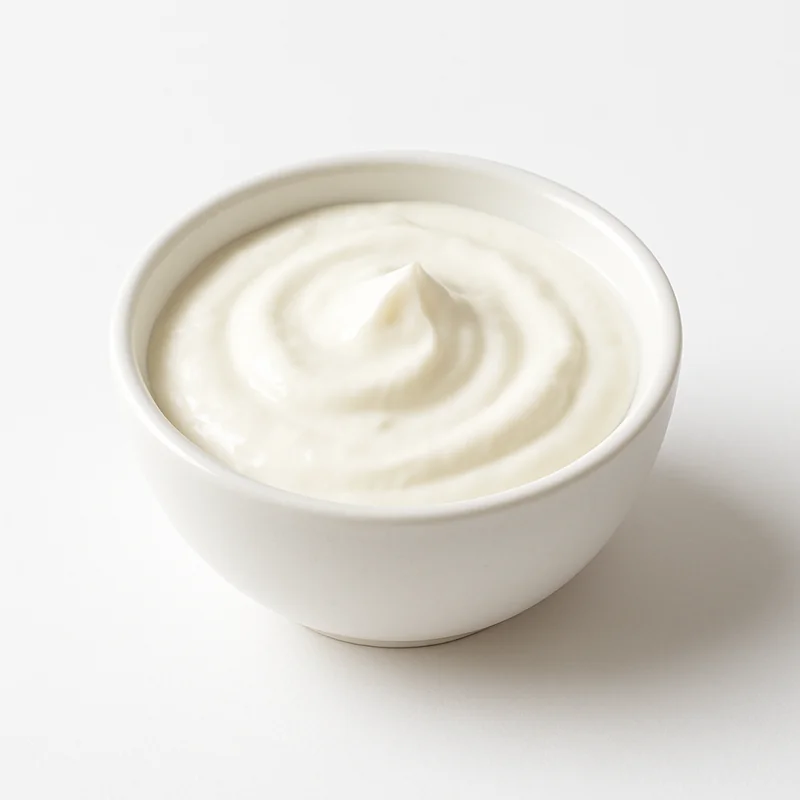
Cream
ScoreD
Cream is a high-fat dairy product rich in fat-soluble vitamins and bioactive compounds from milk fat, providing concentrated energy and butyric acid that supports metabolic health.
Why Cream scores 20
% Daily Value per 1 oz (30 g)
Nutrition
per 100 g
Health benefits
Supports fat-soluble vitamin absorption and provides vitamin K2 for bone and vascular health
strong evidenceCream's high fat content enhances absorption of vitamins A, D, E, and K from other foods and provides 2.4 mcg of vitamin K2 per 100g, which activates osteocalcin for bone mineralization and matrix Gla protein for arterial elasticity
Butyric acid supports gut barrier function and reduces intestinal inflammation
moderate evidenceButyric acid, a short-chain fatty acid from milk fat fermentation, serves as the primary fuel for colonocytes and activates GPR43/GPR109A signaling pathways that strengthen tight junction proteins and reduce LPS translocation
May support satiety and stable blood glucose when consumed with whole foods
moderate evidenceCream's high fat and protein density slows gastric emptying and reduces postprandial glucose spikes through delayed carbohydrate absorption, supporting insulin sensitivity over time
Provides conjugated linoleic acid (CLA) associated with metabolic flexibility in grass-fed sources
emerging evidenceGrass-fed cream contains elevated CLA levels that may enhance mitochondrial fat oxidation and reduce adipose tissue inflammation through PPARγ activation
Delivers bioavailable choline and phospholipids for cognitive and hepatic function
moderate evidenceCream contains phosphatidylcholine and other phospholipids critical for myelin synthesis, synaptic plasticity, and hepatic methylation pathways essential for neurotransmitter production
Pairs well with
- ·Pair with berries (blueberries, raspberries) because anthocyanins are fat-soluble and enhance absorption via cream's lipid matrix, while reducing oxidative stress from saturated fat
- ·Combine with leafy greens (spinach, kale) because fat-soluble vitamins K, A, and E in greens require dietary fat for optimal absorption; cream provides the lipophilic vehicle
- ·Mix with coffee or tea because polyphenols (EGCG, chlorogenic acid) show improved bioavailability with fat, and cream buffers caffeine absorption for sustained energy without cortisol spikes
- ·Add to bone broth because fat enhances absorption of collagen-derived amino acids (glycine, proline) and facilitates formation of micelles for fat-soluble nutrient assimilation
- ·Pair with turmeric in warm beverages because fat increases curcumin bioavailability by 2000%, and black pepper (piperine) further enhances absorption through inhibition of glucuronidation
Practical tips
- ·Best timing: midday
- ·Choose grass-fed or pastured cream when possible—research shows grass-fed dairy has 5x higher CLA and better omega-3 to omega-6 ratios compared to grain-fed sources
- ·Store cream in glass containers away from light to prevent oxidation of fat-soluble vitamins; properly sealed cream keeps 1-2 weeks refrigerated or several months frozen
- ·Use cream as a nutrient-amplifier: add 1-2 tablespoons to smoothies, soups, or tea rather than consuming larger quantities neat; this maximizes vitamin absorption from other foods while managing caloric density
- ·If sourcing, look for 'heavy cream' or 'double cream' (35-40% fat) over whipping cream; higher fat content concentrates bioactive compounds and reduces added thickeners
- ·Consume within meals containing carbohydrates or fiber rather than in isolation to moderate glucose response and optimize satiety signaling through cholecystokinin (CCK) release
Related foods
What is Cream actually covering?
See which nutrients your diet already delivers and which ones your supplements still need to — food and pills measured on the same scale.
Check my nutrients2 questions · free · no account needed to start
Also on iPhone — get the free app
Evidence-based supplement guides, no spam
We send a short digest when new guides drop — nothing else. No affiliate pushes, no sponsored content, unsubscribe anytime.