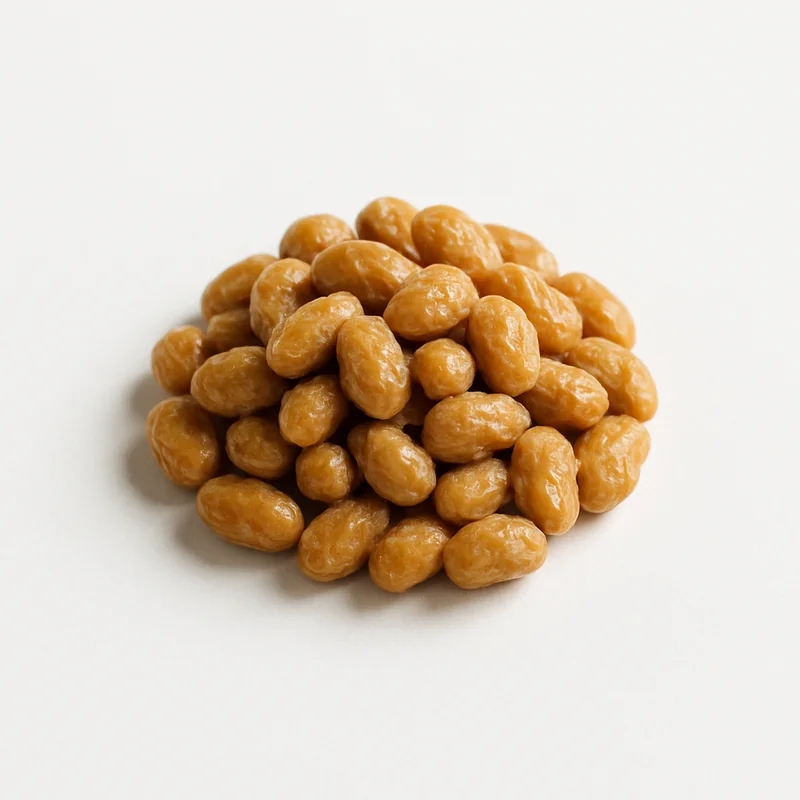
Natto
ScoreA+
Natto is fermented soybeans with a distinctive sticky, pungent character that delivers high-quality plant protein, probiotics, and vitamin K2—a form crucial for bone and cardiovascular health that is rarely found in plant sources.
Why Natto scores 90
% Daily Value per ½ cup (90 g)
Nutrition
per 100 g
Health benefits
Supports bone mineralization and cardiovascular calcification prevention via vitamin K2
moderate evidenceVitamin K2 (menaquinone) activates osteocalcin and matrix Gla protein, proteins essential for directing calcium to bones rather than arterial walls
Provides complete plant-based protein with all nine essential amino acids
strong evidenceFermentation increases amino acid bioavailability and reduces antinutrient factors like phytates, enhancing protein digestibility to near animal-protein levels
Supports fibrinolytic activity and healthy blood viscosity via nattokinase
emerging evidenceNattokinase, a serine protease produced during fermentation, may help dissolve excess fibrin and support healthy blood flow
Promotes healthy gut microbiota composition via probiotics and prebiotic carbohydrates
moderate evidenceLive Bacillus subtilis and partially fermented oligosaccharides feed beneficial bacteria, supporting intestinal barrier function and immune signaling
Supports cognitive and mood health via GABA and choline content
moderate evidenceFermentation generates GABA (a calming neurotransmitter), while 57mg choline per 100g supports acetylcholine synthesis and brain cell membrane integrity
Pairs well with
- ·Pair with brown rice or soba noodles because their complex carbohydrates slow gastric emptying, extending nutrient absorption and moderating blood glucose response
- ·Combine with raw leafy greens (spinach, arugula) because natto's vitamin K2 works synergistically with K1 from greens for comprehensive bone and vascular support
- ·Serve with fermented vegetables (kimchi, sauerkraut) because complementary probiotic species enhance microbial diversity and reinforce intestinal barrier integrity
- ·Mix with avocado or olive oil because natto's fat-soluble vitamin K2 absorption is enhanced by dietary lipids
Practical tips
- ·Best timing: Natto's complete protein, probiotics, and K2 support multiple physiological processes that benefit from distributed intake throughout the day. However, consuming with meals (especially breakfast or lunch) maximizes fat-soluble K2 absorption and provides sustained protein availability for satiety and muscle protein synthesis.
- ·Purchase frozen natto packages and thaw overnight in the refrigerator; freeze immediately upon arrival if not used within 2-3 days, as Bacillus viability declines with age
- ·Mix natto vigorously for 30-50 seconds before eating to maximize the development of mucopolysaccharides and activate nattokinase; stir with the provided condiment packet for optimal flavor and umami enhancement
- ·Consume natto in its raw, unheated form to preserve heat-sensitive probiotics, nattokinase activity, and vitamin K2; heating above 70°C significantly reduces bioactive enzyme activity
- ·Start with a small portion (1-2 tablespoons) if new to natto to allow digestive adaptation; some individuals experience temporary bloating as the microbiome adjusts to increased fermented foods
- ·Store unopened packages in the freezer (below -18°C) for up to 6 months; once thawed, keep refrigerated and consume within 24-48 hours for optimal probiotic viability
Related foods
What is Natto actually covering?
See which nutrients your diet already delivers and which ones your supplements still need to — food and pills measured on the same scale.
Check my nutrients2 questions · free · no account needed to start
Also on iPhone — get the free app
Evidence-based supplement guides, no spam
We send a short digest when new guides drop — nothing else. No affiliate pushes, no sponsored content, unsubscribe anytime.