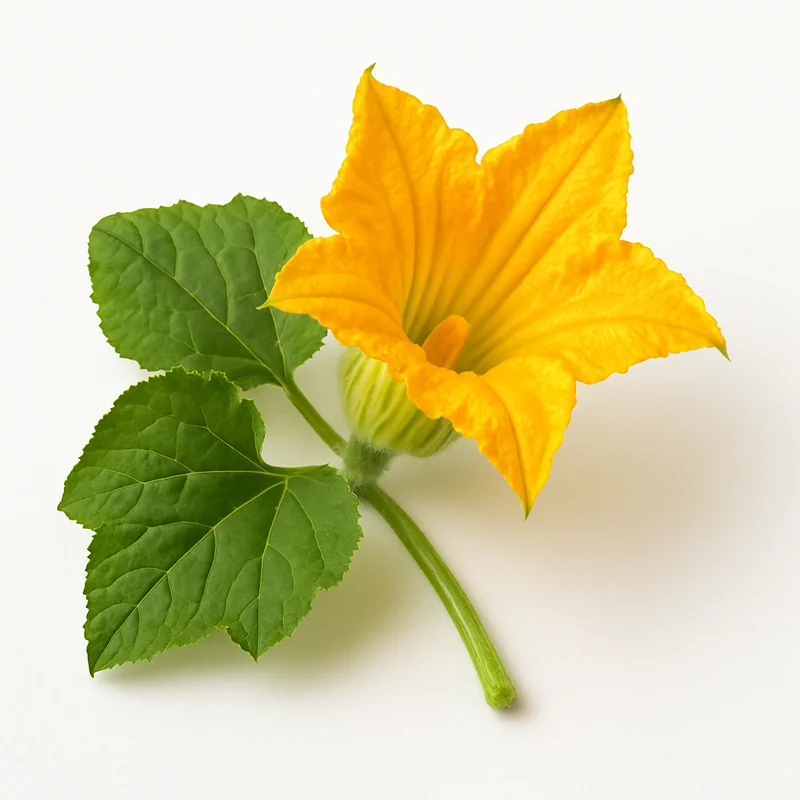
Pumpkin Flower
ScoreA
Pumpkin flowers are delicate, nutrient-dense edible blossoms with a mild squash flavor, delivering high vitamin A, potassium, and vitamin C with minimal calories.
Why Pumpkin Flower scores 75
% Daily Value per ½ cup (85 g)
Nutrition
per 100 g
Health benefits
Blood pressure and cardiovascular support
strong evidenceHigh potassium content (173mg per 100g) promotes vasodilation and counteracts sodium-induced hypertension; supports healthy arrhythmia regulation through electrolyte balance
Vision and eye health protection
moderate evidenceVitamin A (97 IU) and inferred carotenoids (lutein, zeaxanthin) accumulate in retinal tissue and macular pigment, reducing oxidative stress and blue light damage to photoreceptors
Cellular methylation and DNA integrity
strong evidenceFolate (59mcg) serves as a one-carbon donor in methylation cycles, essential for DNA synthesis, repair, and epigenetic regulation—processes that decline with aging
Antioxidant and anti-inflammatory defense
emerging evidencePolyphenolic compounds and selenium (0.7mcg) activate glutathione peroxidase and superoxide dismutase, key endogenous antioxidant enzymes that mitigate age-related oxidative stress
Immune function optimization
moderate evidenceVitamin A regulates T-cell differentiation and mucosal immunity; vitamin C (28mg) supports phagocyte function and collagen cross-linking in immune barriers
Pairs well with
- ·Pair with olive oil: fat-soluble vitamins A and E are enhanced by dietary lipids; oleic acid improves carotenoid bioavailability
- ·Pair with garlic and onions: sulfur compounds (allicin, quercetin) synergize polyphenolic antioxidant effects and reduce inflammatory markers
- ·Pair with lime or lemon juice: citric acid and vitamin C enhance non-heme iron absorption (0.7mg per 100g), improving bioavailability in vegetarian meals
- ·Pair with Greek yogurt or cottage cheese: complete protein pairing addresses the flower's modest 1.03g protein; probiotics support micronutrient absorption
Practical tips
- ·Best timing: midday
- ·Select flowers that are fully open, bright yellow-orange, and crisp with no wilting; avoid those with brown edges or slime
- ·Store unwashed pumpkin flowers in a breathable cloth bag in the refrigerator crisper drawer for maximum 1-2 days; they deteriorate rapidly due to high surface area and moisture loss
- ·Rinse gently under cool running water just before use to remove soil and insects; pat dry immediately to prevent rot
- ·Consume lightly sautéed (30-60 seconds per side) or raw in salads to maximize heat-sensitive vitamin C and polyphenol retention; prolonged cooking (>5 minutes) degrades micronutrients by 20-40%
- ·When seasonal availability ends (typically late summer), source dried pumpkin flowers from specialty ethnic markets; rehydrate in warm water for 2-3 minutes to restore texture
Related foods
What is Pumpkin Flower actually covering?
See which nutrients your diet already delivers and which ones your supplements still need to — food and pills measured on the same scale.
Check my nutrients2 questions · free · no account needed to start
Also on iPhone — get the free app
Evidence-based supplement guides, no spam
We send a short digest when new guides drop — nothing else. No affiliate pushes, no sponsored content, unsubscribe anytime.