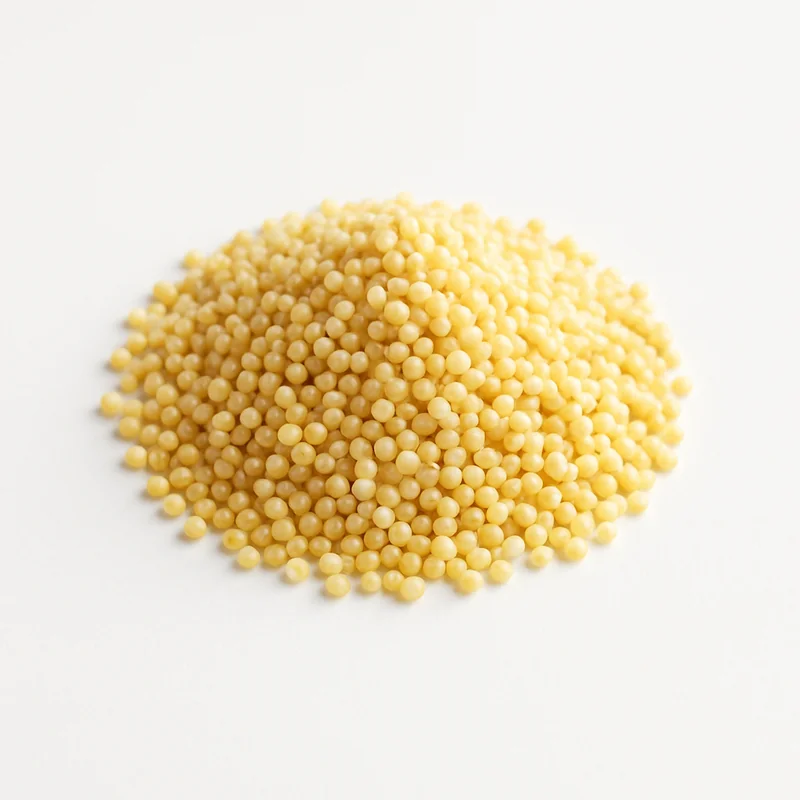
Millet
ScoreC
Millet is a small-seeded ancient grain rich in plant-based protein, minerals, and B vitamins, offering a gluten-free alternative to wheat with excellent micronutrient density.
Why Millet scores 59
% Daily Value per ½ cup (50 g)
Nutrition
per 100 g
Health benefits
Supports bone mineral density through high phosphorus and magnesium content
strong evidencePhosphorus and magnesium are essential cofactors in bone mineralization and osteoblast function; adequate intake correlates with improved bone density and fracture resistance in aging populations
Stabilizes blood glucose and reduces diabetes risk
moderate evidenceMillet has a low glycemic index (GI ~68) due to its fiber content and starch composition, causing slower glucose absorption and reduced postprandial insulin spikes
Enhances thyroid function and selenium-dependent antioxidant defense
strong evidenceSelenium is incorporated into selenoproteins including glutathione peroxidase and thioredoxin reductase, critical for thyroid hormone metabolism and cellular oxidative stress management
Supports sustained energy and B-vitamin dependent metabolism
moderate evidenceHigh niacin and B-complex vitamins facilitate ATP production in mitochondria and support NAD+ metabolism, essential for cellular energy pathways and DNA repair
Provides plant-based complete protein for muscle maintenance
moderate evidenceAt 10g protein per 100g, millet contains all nine essential amino acids in reasonable proportions, supporting muscle protein synthesis in aging adults when paired with complementary proteins
Pairs well with
- ·Pair with legumes (lentils, chickpeas) because together they create a complete amino acid profile with all nine essential amino acids in optimal ratios for muscle maintenance
- ·Combine with iron-rich leafy greens (spinach, kale) because vitamin C in greens enhances non-heme iron absorption from millet, improving bioavailability by 3-4 fold
- ·Mix with healthy fats (olive oil, nuts, seeds) because fat-soluble vitamin absorption and phytate reduction are enhanced, and lipids improve satiety and nutrient absorption
- ·Serve with fermented foods (yogurt, kimchi, miso) because fermentation reduces phytic acid by up to 50%, significantly increasing mineral bioavailability from millet's phosphorus and magnesium
Practical tips
- ·Best timing: midday
- ·Soak or sprout millet for 6-12 hours before cooking to reduce phytic acid content by 20-30% and enhance mineral bioavailability of phosphorus, magnesium, and zinc
- ·Toast millet in a dry pan for 2-3 minutes before cooking to enhance nutty flavor and potentially increase antioxidant compound stability
- ·Store millet in an airtight container in a cool, dark place or refrigerate to prevent oxidation of its healthy fats; shelf life is 6-12 months under proper conditions
- ·Use a 1:2.5 millet-to-water ratio for cooking; simmer for 15-20 minutes until fluffy to avoid overhydration, which can make it mushy and reduce textural appeal
- ·Rotate millet with other whole grains (quinoa, oats, farro) weekly to ensure diverse phytonutrient and mineral profiles from different grain sources
Related foods
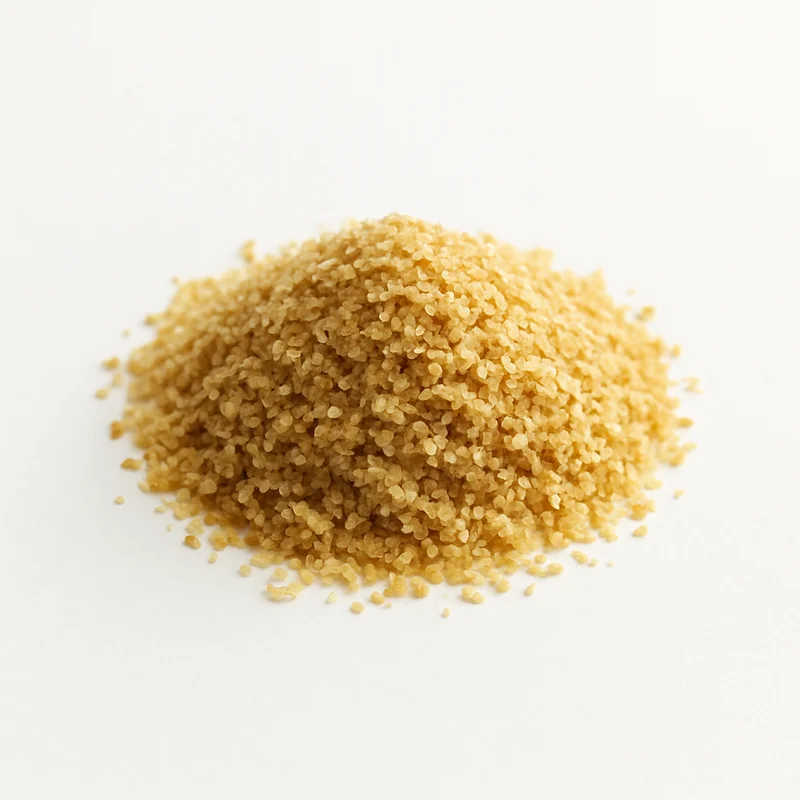
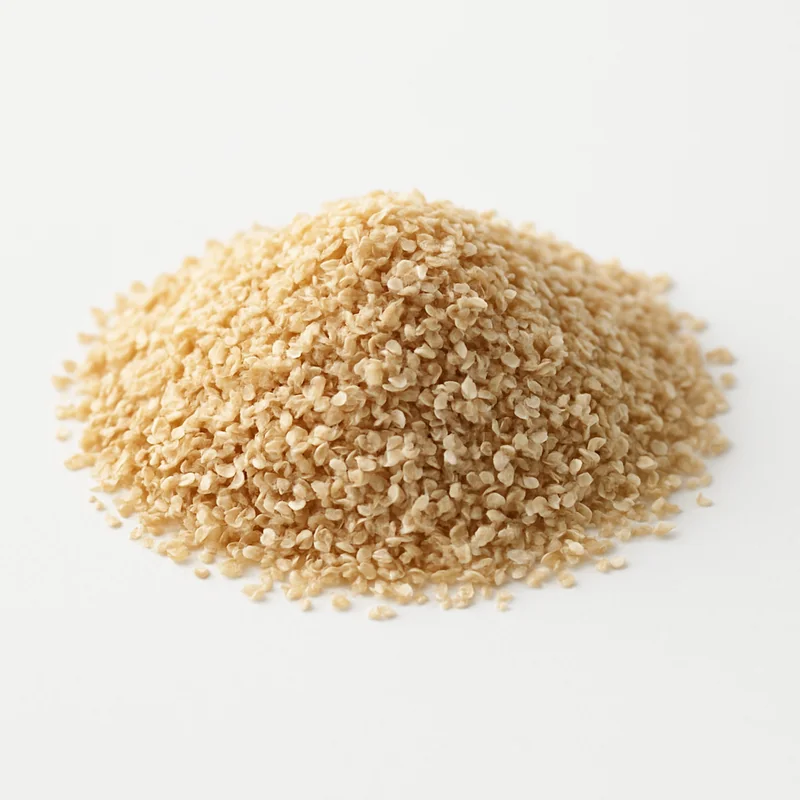
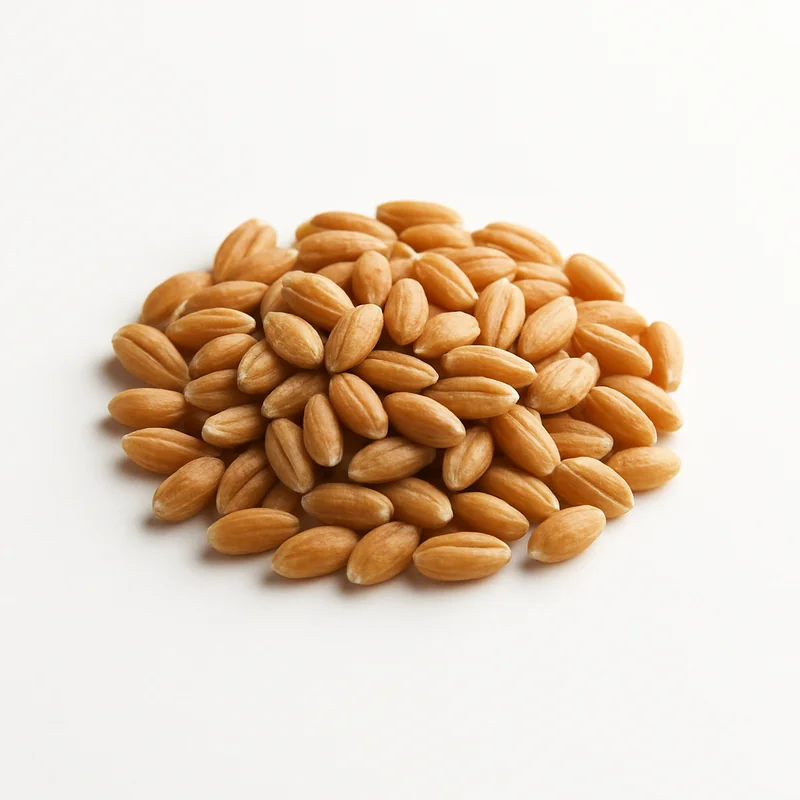
What is Millet actually covering?
See which nutrients your diet already delivers and which ones your supplements still need to — food and pills measured on the same scale.
Check my nutrients2 questions · free · no account needed to start
Also on iPhone — get the free app
Evidence-based supplement guides, no spam
We send a short digest when new guides drop — nothing else. No affiliate pushes, no sponsored content, unsubscribe anytime.