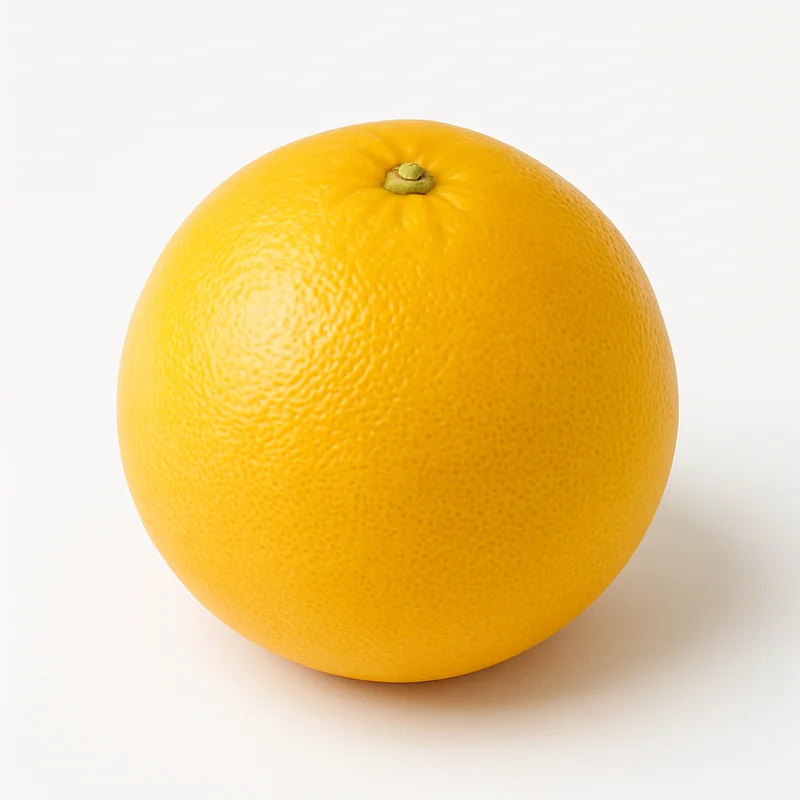
Pummelo
ScoreA
Pummelo is a large citrus fruit rich in vitamin C and potassium, offering low-calorie hydration with modest fiber content suitable for longevity-focused diets.
Why Pummelo scores 88
% Daily Value per 1 medium (140 g)
Nutrition
per 100 g
Health benefits
Enhanced cardiovascular protection through potassium and flavonoid intake
strong evidencePotassium regulates blood pressure by counteracting sodium and supporting vascular smooth muscle relaxation; naringin and hesperidin improve endothelial function and reduce arterial stiffness
Robust antioxidant defense reducing oxidative stress and cellular aging
strong evidenceVitamin C neutralizes free radicals and regenerates other antioxidants; citrus flavonoids upregulate cellular antioxidant enzyme systems like SOD and catalase
Improved insulin sensitivity and glucose regulation
moderate evidenceSoluble pectin fiber slows gastric emptying and glucose absorption; flavonoids enhance insulin signaling pathways and reduce hepatic glucose production
Reduced infection risk and enhanced immune resilience
moderate evidenceHigh vitamin C supports neutrophil and T-cell function; flavonoids exhibit antimicrobial and anti-inflammatory properties relevant to pathogen defense
Safer alternative to grapefruit for medication interactions
moderate evidenceLower furanocoumarin concentration than grapefruit minimizes CYP3A4 enzyme inhibition, reducing adverse drug interactions
Pairs well with
- ·Pair with almonds or walnuts because combined vitamin C enhances mineral absorption (iron, zinc) from nuts, and fat-soluble polyphenol uptake
- ·Combine with leafy greens (spinach, kale) because vitamin C boosts non-heme iron bioavailability from plant sources by 3-4 fold
- ·Eat with turmeric or black pepper because citrus flavonoids enhance curcumin absorption and have synergistic anti-inflammatory effects
- ·Mix with yogurt or kefir because probiotics ferment pummelo's pectin fiber, producing short-chain fatty acids that feed beneficial gut bacteria
Practical tips
- ·Best timing: morning
- ·Select pummelos with thin, smooth skin and heavy weight for their size—indicator of juice content and maturity; store at room temperature for 1-2 weeks or refrigerate up to 3 weeks
- ·Consume the white pith (2-3mm thickness) as it contains 90% of the pectin and naringin; modern cultivars have thinner, less bitter pith than heritage varieties
- ·Segment and consume whole fruit rather than juicing to preserve fiber; juice loses 70% of polyphenol content through oxidation within 30 minutes of extraction
- ·If taking statins, calcium channel blockers, or immunosuppressants, verify with pharmacist before regular consumption; pummelo is safer than grapefruit but individual sensitivity varies
Related foods
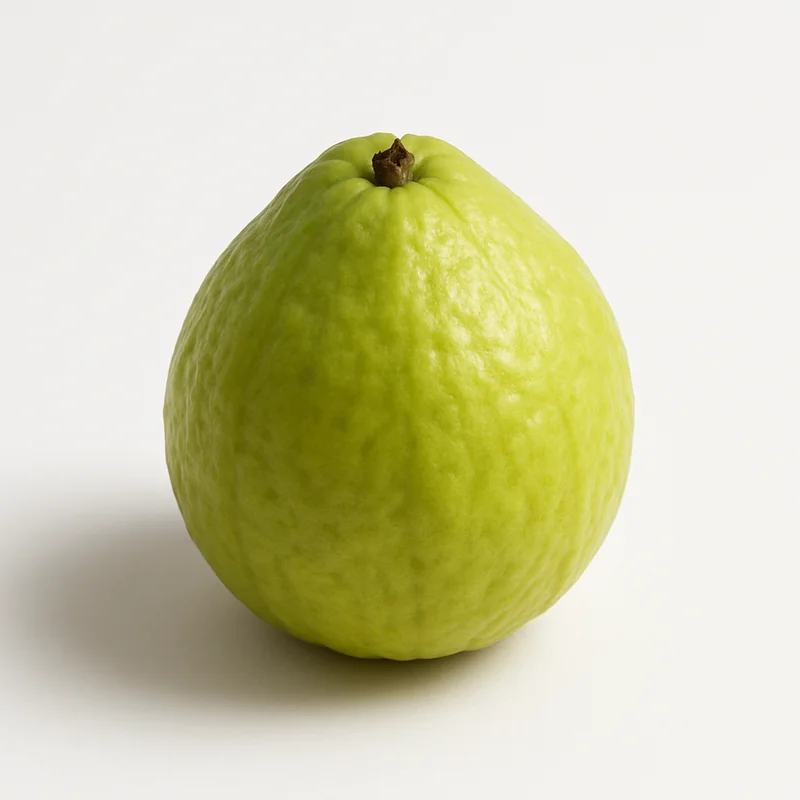



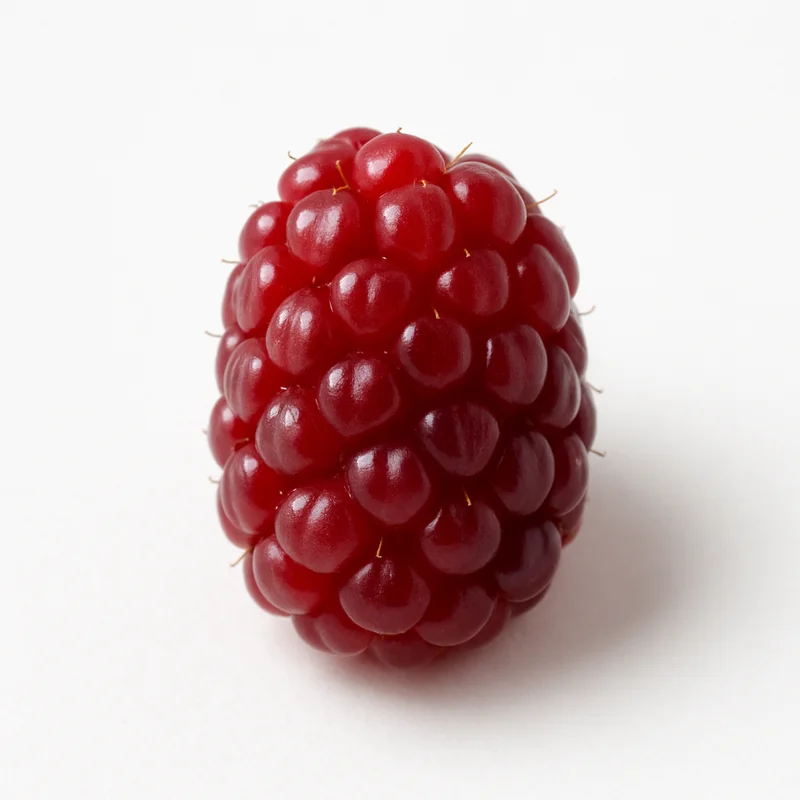
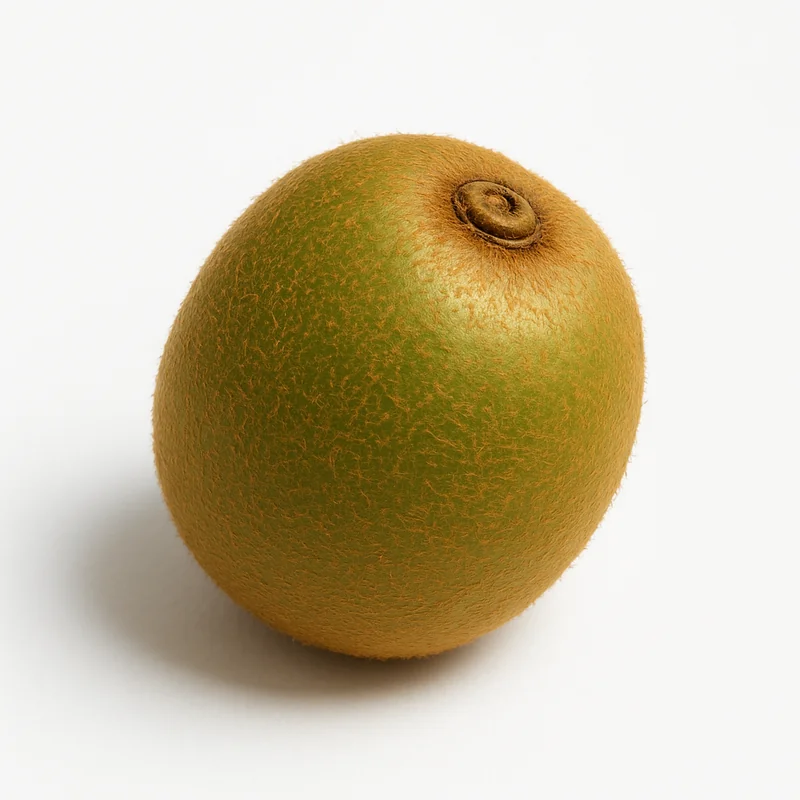
What is Pummelo actually covering?
See which nutrients your diet already delivers and which ones your supplements still need to — food and pills measured on the same scale.
Check my nutrients2 questions · free · no account needed to start
Also on iPhone — get the free app
Evidence-based supplement guides, no spam
We send a short digest when new guides drop — nothing else. No affiliate pushes, no sponsored content, unsubscribe anytime.