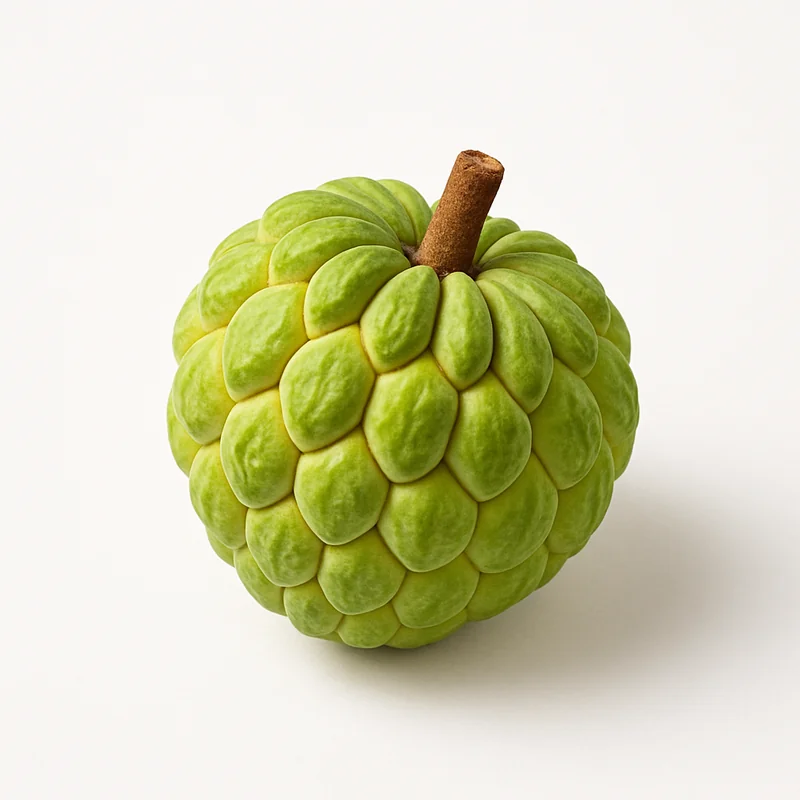
Custard-Apple
ScoreB
Custard-apple is a creamy tropical fruit rich in fiber, potassium, and vitamin C, offering natural sweetness with a low glycemic impact suitable for longevity-focused diets.
Why Custard-Apple scores 68
% Daily Value per 1 medium (140 g)
Nutrition
per 100 g
Health benefits
Supports cardiovascular health and blood pressure regulation
strong evidenceHigh potassium content (382mg/100g) activates sodium-potassium pumps in blood vessel walls, promoting vasodilation and reducing hypertension risk
Promotes digestive health and metabolic function
moderate evidenceDietary fiber (2.4g/100g) feeds beneficial gut bacteria, increases stool bulk, and supports regular elimination while soluble fiber helps regulate glucose absorption
Enhances antioxidant defense and reduces cellular inflammation
emerging evidenceContains polyphenols and acetogenins that scavenge free radicals and inhibit pro-inflammatory signaling pathways
Supports immune function and wound healing
strong evidenceVitamin C (19.2mg/100g) is essential for collagen cross-linking, immune cell proliferation, and antioxidant protection
Improves iron bioavailability and oxygen transport
moderate evidenceContains 0.71mg iron per 100g plus vitamin C, which enhances non-heme iron absorption and supports hemoglobin synthesis
Pairs well with
- ·Pair with Greek yogurt or kefir because the probiotics support gut microbiota diversity while the fruit's natural sugars provide prebiotic substrate for beneficial bacteria growth
- ·Combine with almonds or walnuts because the healthy fats slow sugar absorption, extend satiety, and provide complementary micronutrients (vitamin E, magnesium)
- ·Mix with lime juice because citric acid enhances non-heme iron absorption and the vitamin C content amplifies antioxidant bioavailability
- ·Serve with leafy greens (spinach, kale) in smoothies because the fiber combination improves nutrient density and sustained energy release
Practical tips
- ·Best timing: midday
- ·Select custard-apples with slight give when gently pressed and a fragrant aroma; avoid soft spots indicating overripeness or decay
- ·Store unripe fruit at room temperature (68-72°F) for 2-3 days until soft; refrigerate ripe fruit for up to 5 days in a breathable bag to prevent ethylene gas buildup
- ·Scoop flesh directly with a spoon after cutting in half and removing seeds; do not consume the bitter seed coat or skin
- ·Consume whole fruit rather than juice to retain the full 2.4g fiber per 100g serving, which moderates glycemic response
- ·Eat as a midday snack or dessert replacement to satisfy sugar cravings while providing sustained energy and micronutrient density
Related foods
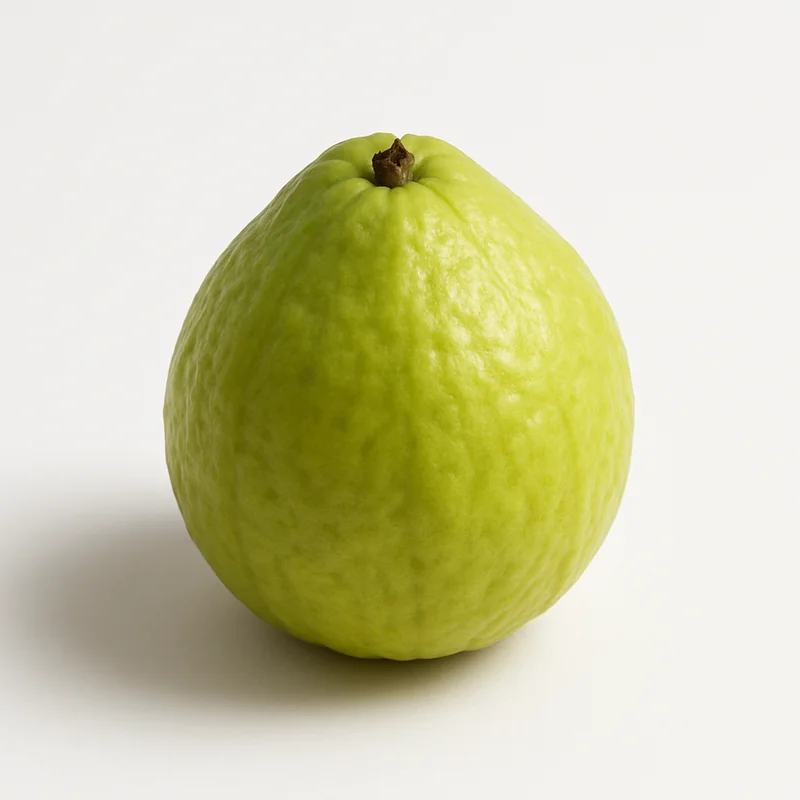
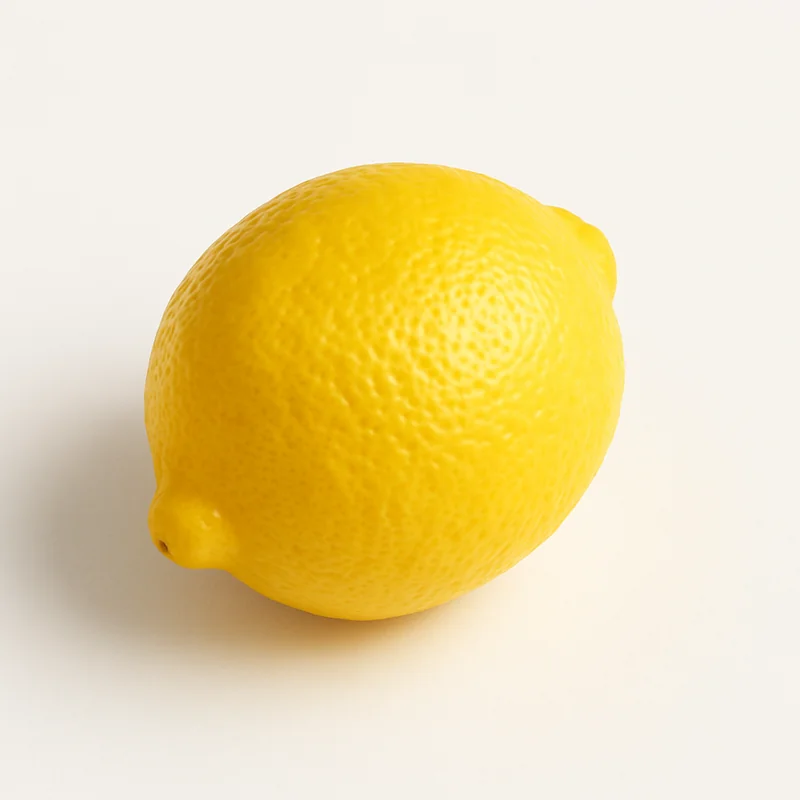
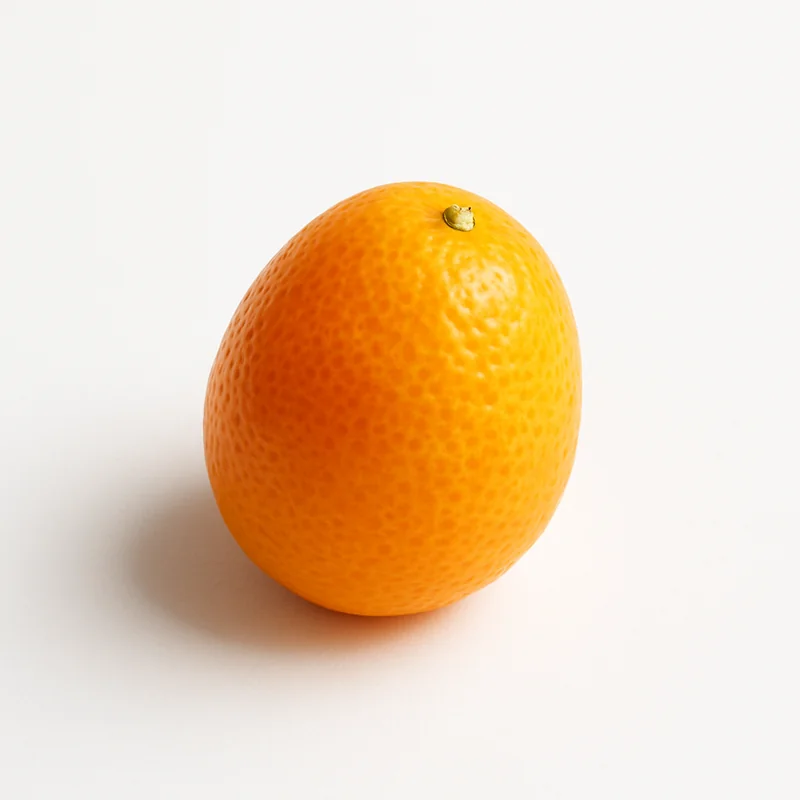
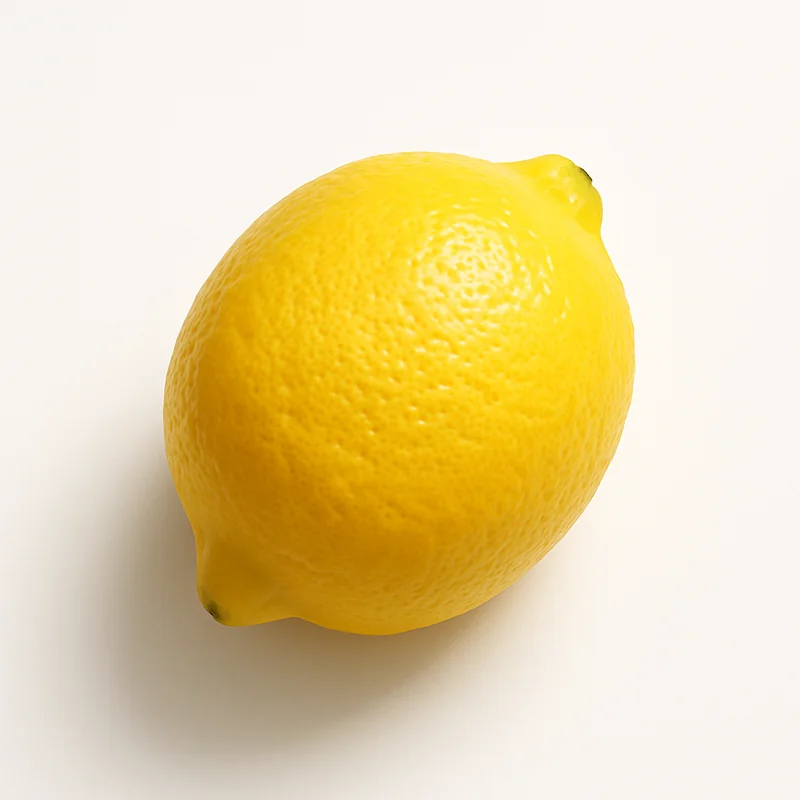
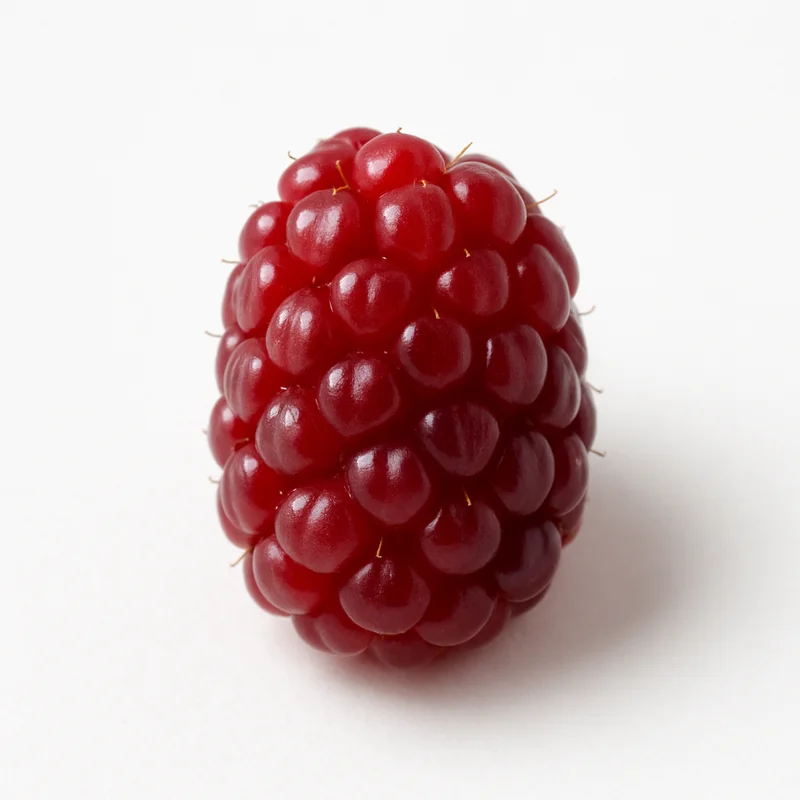
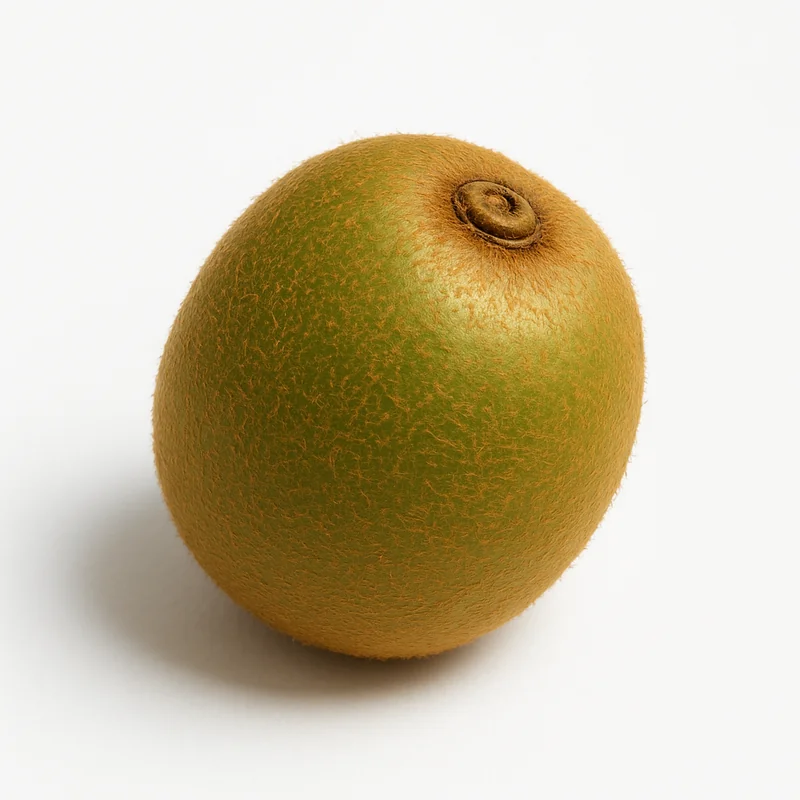
What is Custard-Apple actually covering?
See which nutrients your diet already delivers and which ones your supplements still need to — food and pills measured on the same scale.
Check my nutrients2 questions · free · no account needed to start
Also on iPhone — get the free app
Evidence-based supplement guides, no spam
We send a short digest when new guides drop — nothing else. No affiliate pushes, no sponsored content, unsubscribe anytime.