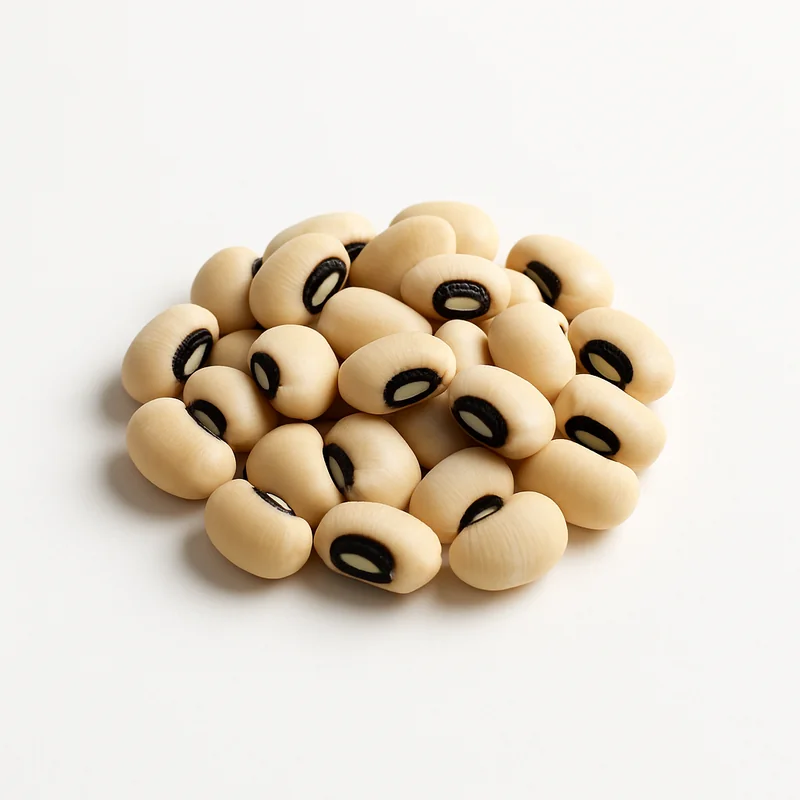
Blackeye Pea
ScoreA
Black-eyed peas are nutrient-dense legumes rich in plant-based protein, fiber, and minerals essential for metabolic health and longevity. They provide sustained energy and support cardiovascular and bone health.
Why Blackeye Pea scores 81
% Daily Value per ½ cup (90 g)
Nutrition
per 100 g
Health benefits
Cardiovascular disease risk reduction through potassium-rich mineral profile and fiber content
strong evidenceHigh potassium (1,243mg/100g) counteracts sodium's blood pressure effects, while soluble fiber binds cholesterol for elimination, reducing atherosclerosis risk
Improved insulin sensitivity and glycemic control via resistant starch and fiber
moderate evidenceResistant starch escapes digestion in the small intestine, reaching the colon where it feeds beneficial bacteria and reduces postprandial glucose spikes; fiber slows carbohydrate absorption
Enhanced muscle maintenance and protein synthesis in aging adults
moderate evidence21g protein per 100g provides all essential amino acids when combined with grains; leucine content triggers mTOR pathway for muscle protein synthesis
Bone density preservation through mineral density and micronutrient synergy
moderate evidenceMagnesium, phosphorus, manganese, and iron work synergistically to support osteoblast activity and collagen cross-linking essential for bone strength
Gut microbiome enrichment and metabolic endotoxemia reduction
moderate evidenceResistant starch and fiber promote Faecalibacterium prausnitzii and other short-chain fatty acid-producing bacteria, lowering LPS translocation and systemic inflammation
Pairs well with
- ·Pair with brown rice or whole wheat because the grain provides methionine to complement black-eyed pea lysine, creating a complete amino acid profile for optimal protein utilization
- ·Combine with vitamin C-rich foods (tomatoes, bell peppers, citrus) because ascorbic acid enhances non-heme iron bioavailability by 3-4 fold, improving iron absorption
- ·Serve with olive oil or avocado because fat-soluble vitamins and polyphenols achieve better absorption in the presence of dietary lipids, and fat slows gastric emptying for sustained satiety
- ·Pair with leafy greens (spinach, kale) because the synergistic mineral profile—potassium from peas, calcium from greens—optimizes bone density signaling
Practical tips
- ·Best timing: midday
- ·Soak dried black-eyed peas for 8-12 hours before cooking to reduce oligosaccharides (raffinose, stachyose) that cause digestive discomfort; discard soaking water
- ·Cook until tender (60-90 minutes) but still intact to preserve resistant starch content; avoid overcooking, which increases digestible carbohydrate percentage and reduces prebiotic fiber
- ·Store cooked black-eyed peas in refrigerator for up to 5 days; freezing preserves nutritional content for 6-8 months—portion into ice cube trays for convenience
- ·Consume 150-200g cooked portions (roughly 1 cup) 2-3 times weekly as part of a rotational legume strategy to maximize nutrient diversity and gut bacterial diversity
- ·Toast dried peas lightly before soaking to enhance nutty flavor and potentially increase polyphenol bioavailability without degrading heat-sensitive micronutrients
Related foods
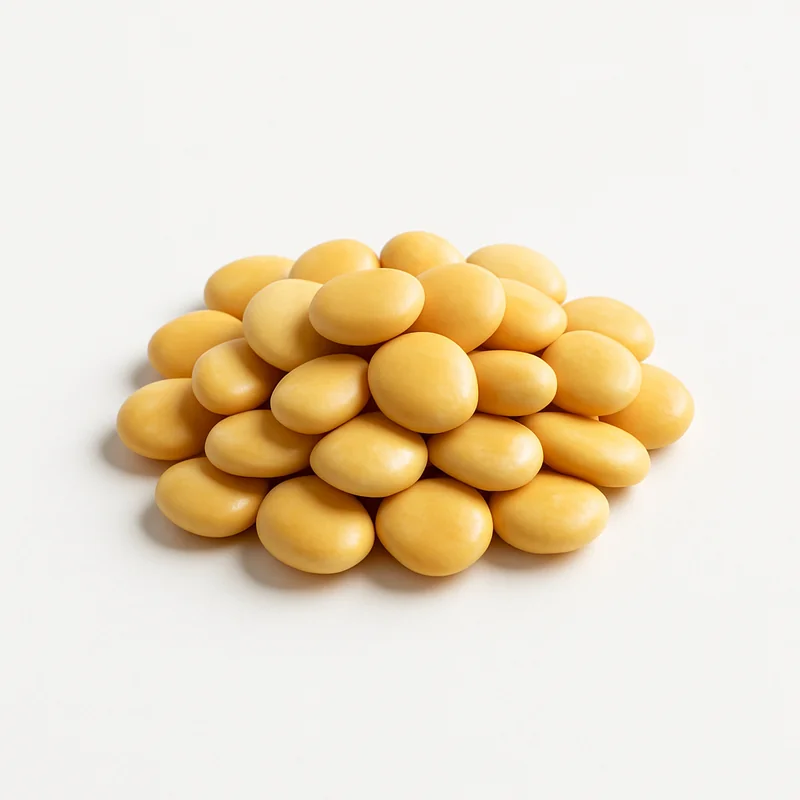
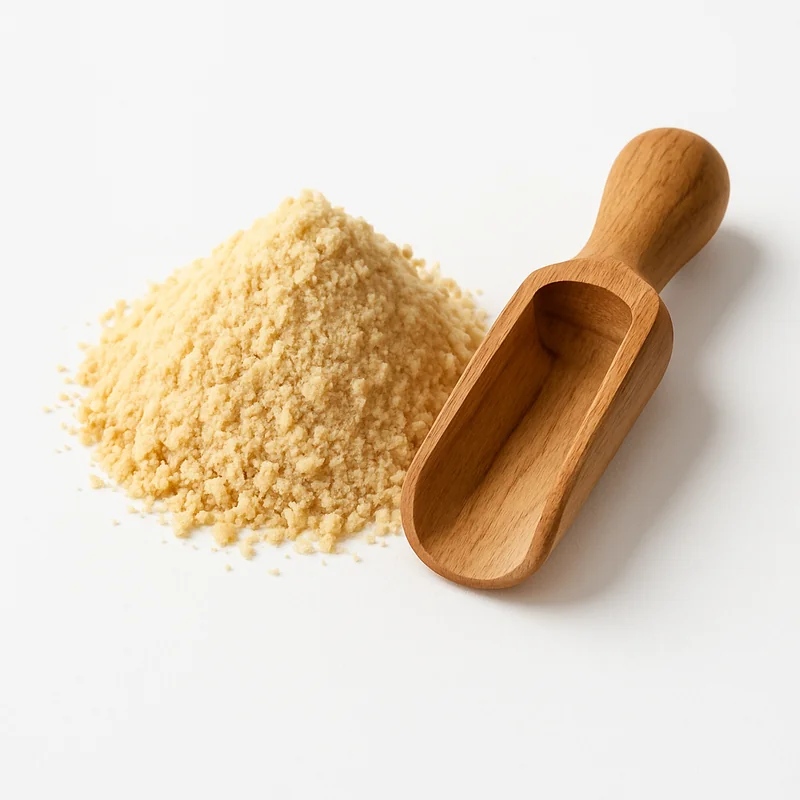
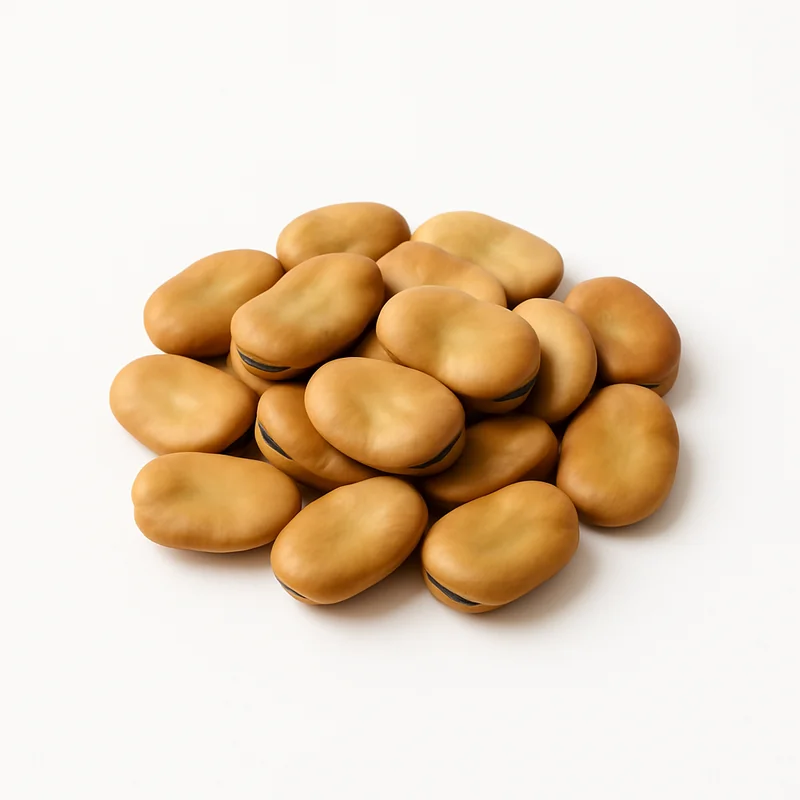
What is Blackeye Pea actually covering?
See which nutrients your diet already delivers and which ones your supplements still need to — food and pills measured on the same scale.
Check my nutrients2 questions · free · no account needed to start
Also on iPhone — get the free app
Evidence-based supplement guides, no spam
We send a short digest when new guides drop — nothing else. No affiliate pushes, no sponsored content, unsubscribe anytime.