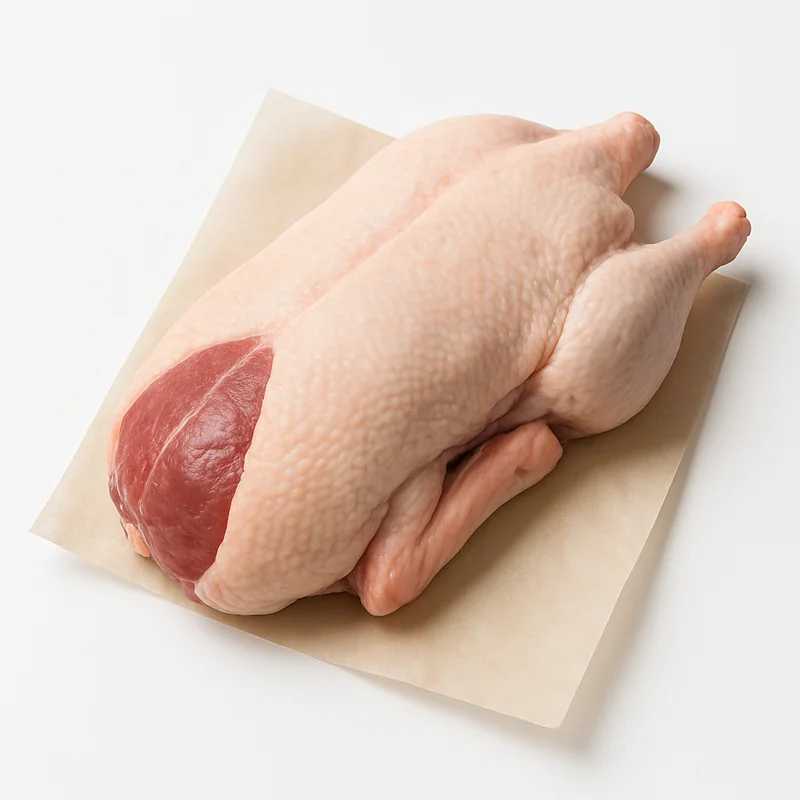
Duck
ScoreB
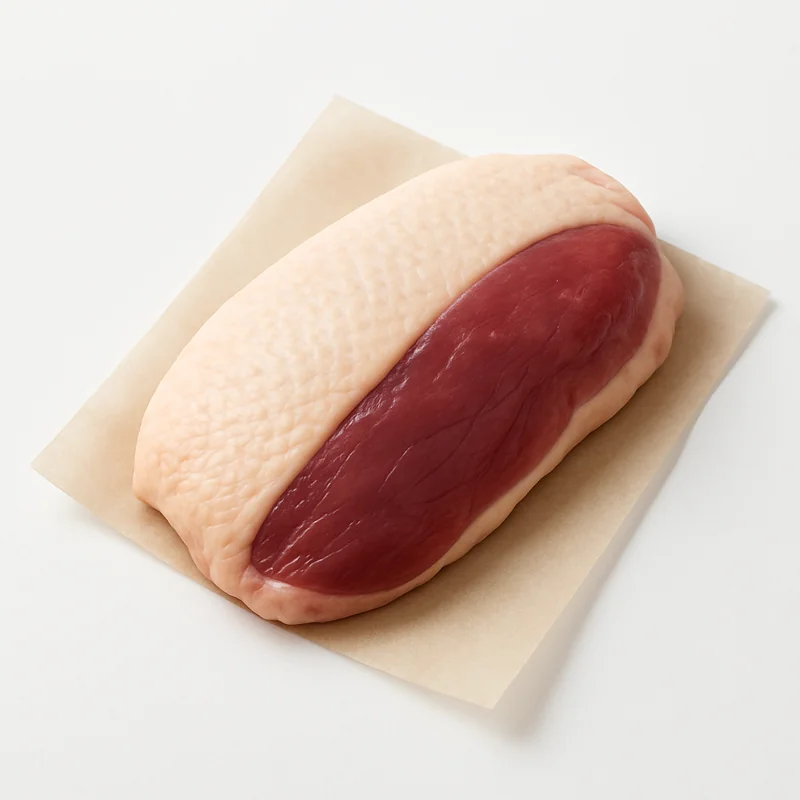
Duck is a lean poultry rich in high-quality protein and iron, offering superior nutrient density compared to chicken with a distinctive flavor profile suited for longevity-focused diets.
Why Duck scores 72
% Daily Value per 3 oz (85 g)
Nutrition
per 100 g
Health benefits
Supports muscle maintenance and protein synthesis
strong evidenceDuck contains 20.2g complete protein per 100g with optimal amino acid ratios including leucine, which activates mTOR pathways essential for preventing age-related muscle loss (sarcopenia)
Enhances oxygen transport and iron metabolism
strong evidenceHigh bioavailable heme iron (2.7mg/100g) is efficiently absorbed by the body and incorporated into hemoglobin and myoglobin, improving aerobic capacity and metabolic efficiency
Supports cognitive function and neurological health
moderate evidenceDuck contains B12 and selenium essential for myelin formation, neurotransmitter synthesis, and protection against oxidative neuronal damage
Reduces inflammatory markers
moderate evidenceSelenium content acts as a cofactor for glutathione peroxidase, an antioxidant enzyme that mitigates oxidative stress and systemic inflammation linked to aging
Promotes cardiovascular resilience
moderate evidenceTaurine in duck meat supports endothelial function, blood pressure regulation, and cardiac contractility, while selenium protects against atherosclerosis
Pairs well with
- ·Pair with cruciferous vegetables (broccoli, Brussels sprouts) because sulforaphane enhances detoxification enzyme expression and works synergistically with duck's selenium for antioxidant protection
- ·Combine with citrus fruits (lemon, orange) because vitamin C increases heme iron absorption by 3-4 fold, maximizing bioavailability
- ·Serve with dark leafy greens (spinach, kale) because both provide iron and complementary micronutrients; vitamin K in greens supports bone health alongside duck's protein
- ·Pair with mushrooms (shiitake, oyster) because ergothioneine in mushrooms and selenium in duck have synergistic antioxidant effects
Practical tips
- ·Best timing: midday
- ·Remove skin before cooking to minimize fat intake while preserving lean protein and micronutrient density—skinless duck breast contains only 0.4g fat per 100g
- ·Select duck from pasture-raised or heritage breed sources when possible, as these contain higher omega-3 fatty acid ratios and superior nutrient profiles
- ·Cook using dry heat methods (roasting, grilling) rather than braising to prevent nutrient loss and avoid excessive fat absorption
- ·Store raw duck in the coldest part of the refrigerator (32-34°F) for maximum 2 days, or freeze at 0°F for up to 6 months to maintain quality and safety
- ·Consume 3-4 ounces (85-113g) of duck 2-3 times weekly as part of a varied protein strategy to maximize micronutrient intake without excessive iron accumulation
Related foods
What is Duck actually covering?
See which nutrients your diet already delivers and which ones your supplements still need to — food and pills measured on the same scale.
Check my nutrients2 questions · free · no account needed to start
Also on iPhone — get the free app
Evidence-based supplement guides, no spam
We send a short digest when new guides drop — nothing else. No affiliate pushes, no sponsored content, unsubscribe anytime.