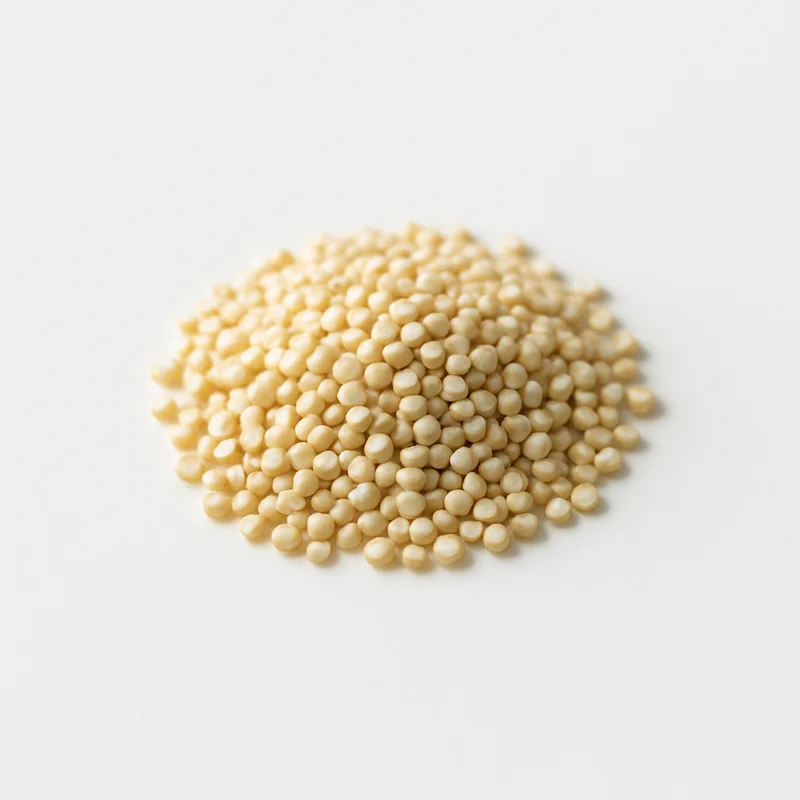
Quinoa
ScoreA
Quinoa is a complete plant-based protein containing all nine essential amino acids, with exceptional micronutrient density including magnesium, manganese, and folate. Its high fiber content and low glycemic index make it a superior grain choice for metabolic health and longevity.
Why Quinoa scores 87
% Daily Value per ½ cup (50 g)
Nutrition
per 100 g
Health benefits
Complete protein source supporting lean muscle maintenance and synthesis
strong evidenceContains all 9 essential amino acids in approximately balanced proportions, enabling muscle protein synthesis and reducing reliance on animal products
Improved glycemic control and metabolic stability
moderate evidenceLow glycemic index (GI ~53) combined with high fiber slows glucose absorption, reducing insulin spikes and supporting long-term metabolic health
Enhanced cardiovascular health through magnesium and polyphenol content
moderate evidenceMagnesium regulates vascular function and blood pressure; quercetin and kaempferol reduce endothelial dysfunction and arterial inflammation
Optimized gut microbiota diversity and short-chain fatty acid production
moderate evidenceHigh insoluble and soluble fiber acts as prebiotic substrate, selectively feeding beneficial Bifidobacterium and Faecalibacterium species
Reduced oxidative stress and systemic inflammation
emerging evidenceBioactive flavonoids (quercetin, kaempferol) and mineral cofactors (selenium, magnesium) support antioxidant enzyme function
Pairs well with
- ·Pair with legumes (lentils, chickpeas) because combining quinoa's methionine-rich amino acids with legumes' lysine creates a complete amino acid profile superior to either alone
- ·Pair with leafy greens (spinach, kale) because iron in quinoa has improved bioavailability in presence of vitamin C from greens, enhancing heme-independent iron absorption
- ·Pair with olive oil because fat-soluble polyphenols and fat-soluble vitamins require lipid co-ingestion for optimal absorption and cellular uptake
- ·Pair with fermented foods (sauerkraut, kimchi) because combined prebiotic fiber and probiotic cultures synergistically enhance beneficial bacterial colonization and short-chain fatty acid diversity
- ·Pair with turmeric and black pepper because curcumin absorption increases 2000-fold with piperine, and quinoa's mineral matrix enhances bioavailability of both compounds
Practical tips
- ·Best timing: midday
- ·Rinse quinoa thoroughly under cool running water before cooking to remove saponins—bitter compounds that can inhibit mineral absorption and cause digestive discomfort
- ·Toast dry quinoa in a pan for 2-3 minutes before cooking to enhance nutty flavor and reduce cooking time by 5 minutes, improving palatability and nutrient retention
- ·Cook quinoa with bone broth instead of water to increase bioavailable calcium, collagen amino acids, and umami depth without added sodium
- ·Store cooked quinoa in airtight glass containers for up to 5 days refrigerated; freeze portions for up to 3 months to enable rapid meal preparation while maintaining protein integrity
- ·Sproute quinoa for 24-48 hours before cooking to reduce phytic acid by 50-70%, significantly increasing mineral bioavailability (zinc, iron, magnesium)
Related foods
What is Quinoa actually covering?
See which nutrients your diet already delivers and which ones your supplements still need to — food and pills measured on the same scale.
Check my nutrients2 questions · free · no account needed to start
Also on iPhone — get the free app
Evidence-based supplement guides, no spam
We send a short digest when new guides drop — nothing else. No affiliate pushes, no sponsored content, unsubscribe anytime.