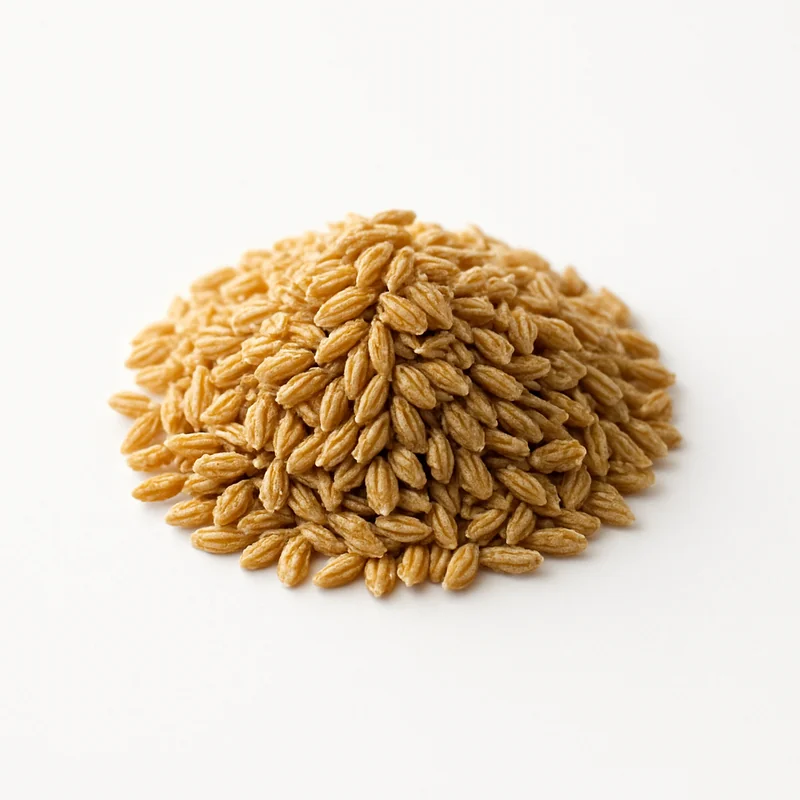
Corn Bran
ScoreB
Corn bran is the fibrous outer layer of corn kernels, exceptionally rich in dietary fiber (79g per 100g) and a concentrated source of plant-based nutrients. It serves as a functional food for digestive health and metabolic support.
Why Corn Bran scores 72
% Daily Value per 1 oz (30 g)
Nutrition
per 100 g
Health benefits
Supports digestive health and colonic microbiota composition
strong evidenceInsoluble fiber acts as substrate for beneficial bacteria fermentation, producing short-chain fatty acids (butyrate) that maintain intestinal barrier integrity and reduce pathogenic colonization
Improves lipid profiles and reduces LDL cholesterol
moderate evidenceSoluble fiber components and plant polyphenols (ferulic acid) inhibit cholesterol absorption and enhance hepatic clearance of LDL particles
Moderates postprandial glucose response and supports insulin sensitivity
moderate evidenceHigh fiber content slows gastric emptying and reduces glucose absorption rate, diminishing postprandial blood glucose spikes and reducing pancreatic insulin demand
Provides antioxidant and anti-inflammatory support
emerging evidencePhenolic compounds including ferulic acid and phytosterols scavenge reactive oxygen species and modulate inflammatory transcription factors (NF-κB pathway)
Supports mineral bioavailability and bone health signaling
moderate evidencePhosphorus and magnesium ratio supports calcium regulation and osteoblast function; magnesium is essential for parathyroid hormone function
Pairs well with
- ·Pair with vitamin C-rich foods (citrus, kiwi, bell pepper) to enhance non-heme iron absorption from the 2.79mg iron per 100g
- ·Combine with fermented foods (kefir, yogurt, sauerkraut) to synergize prebiotic fiber with probiotic organisms for enhanced microbiota diversity
- ·Mix with fat sources (olive oil, nuts, seeds) to improve absorption of fat-soluble phenolic compounds and enhance palatability
- ·Consume with legumes (lentils, beans) to create complete protein profile and enhance fiber viscosity for superior glycemic control
Practical tips
- ·Best timing: Corn bran's primary benefits derive from fiber's effects on digestion and microbiota, which operate across 24-hour cycles. Morning consumption supports satiety and stable glucose throughout the day; evening consumption supports colonic fermentation during sleep. No circadian-dependent mechanisms limit timing.
- ·Start with 1-2 tablespoons daily and gradually increase to 3-4 tablespoons over 2 weeks to allow microbiota adaptation and minimize digestive distress
- ·Store in airtight containers in cool, dark conditions or refrigerate after opening to prevent oxidation of polyphenols and maintain fiber integrity
- ·Mix into oatmeal, smoothies, or yogurt rather than consuming dry to improve water absorption and reduce choking risk; ensure adequate fluid intake (8+ glasses daily)
- ·Select non-GMO, organically-sourced corn bran when possible to minimize pesticide residues and ensure ferulic acid preservation
- ·Consume with meals rather than on empty stomach to optimize nutrient absorption and minimize gastric irritation from concentrated fiber
Related foods
What is Corn Bran actually covering?
See which nutrients your diet already delivers and which ones your supplements still need to — food and pills measured on the same scale.
Check my nutrients2 questions · free · no account needed to start
Also on iPhone — get the free app
Evidence-based supplement guides, no spam
We send a short digest when new guides drop — nothing else. No affiliate pushes, no sponsored content, unsubscribe anytime.