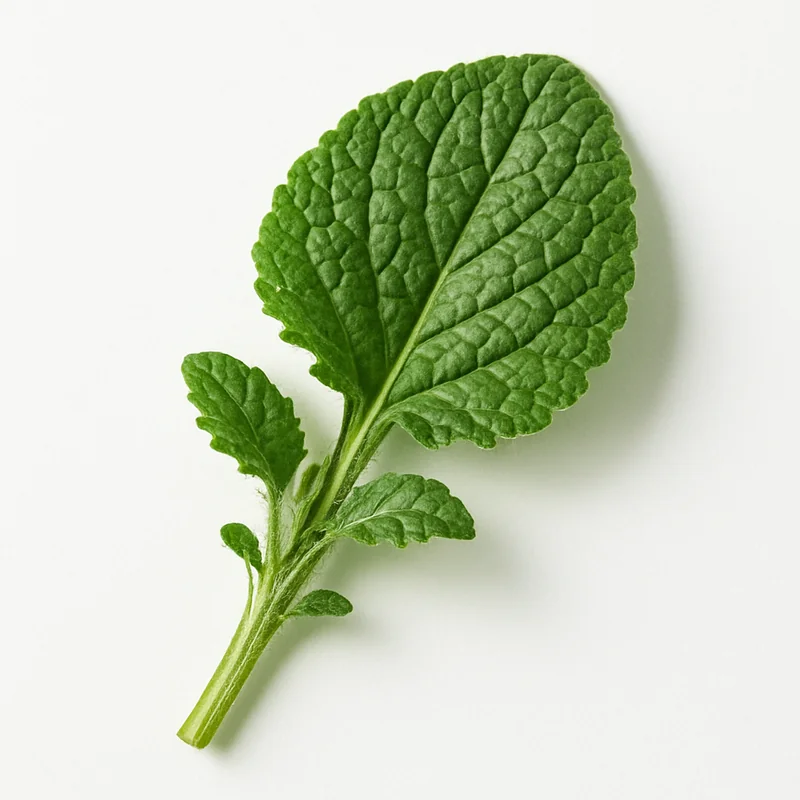
Borage
ScoreB
Borage is a nutrient-dense leafy green with a distinctive mineral and vitamin profile, particularly rich in iron, potassium, and vitamin C, making it a valuable addition to longevity-focused diets.
Why Borage scores 72
% Daily Value per ½ cup (85 g)
Nutrition
per 100 g
Health benefits
Enhanced iron bioavailability and red blood cell support
strong evidenceBorage provides heme-independent iron (3.3mg/100g) alongside vitamin C (35mg/100g), which enhances non-heme iron absorption and supports oxygen transport and mitochondrial function
Blood pressure regulation and cardiovascular protection
strong evidenceHigh potassium content (470mg/100g) relative to sodium (80mg/100g) supports vasodilation and sodium-potassium pump function, while magnesium (52mg/100g) aids endothelial function
Anti-inflammatory response via GLA and polyphenols
moderate evidenceBorage seed oil and fresh leaves contain gamma-linolenic acid and chlorogenic acid, which modulate inflammatory pathways and reduce systemic inflammation markers
Bone mineral density maintenance
moderate evidenceCombination of calcium (93mg/100g), magnesium (52mg/100g), and phosphorus (53mg/100g) provides cofactors essential for osteoblast function and bone turnover regulation
Antioxidant defense and cellular protection
emerging evidenceChlorogenic acid and other polyphenolic compounds neutralize reactive oxygen species and support Phase II detoxification pathways
Pairs well with
- ·Pair with citrus (lemon, orange) to amplify non-heme iron absorption through vitamin C synergy and enhance bioavailability of polyphenolic compounds
- ·Combine with olive oil to facilitate fat-soluble nutrient absorption and provide additional anti-inflammatory oleocanthal alongside borage's GLA
- ·Mix with fermented foods (sauerkraut, kimchi) to enhance mineral bioavailability through organic acids and support gut microbiota that metabolize polyphenols
- ·Serve with vitamin D-rich foods (fatty fish, egg yolks) to optimize calcium absorption and bone mineralization support
Practical tips
- ·Best timing: midday
- ·Select young, tender borage leaves (pre-flowering stage) for milder flavor and optimal nutrient density; older leaves become more fibrous and bitter
- ·Consume fresh or lightly cooked within 2-3 days of harvest, as borage leaves wilt quickly and oxidative damage accelerates with storage time
- ·Blanch for 1-2 minutes before freezing to deactivate oxidative enzymes and preserve vitamin C content for longer-term storage
- ·Remove the fuzzy stem portions before eating, as they are tough and less palatable; focus on the tender leaf tissue for best culinary experience
- ·Start with small quantities (1-2 handfuls per serving) if new to borage, as some individuals experience mild gastrointestinal adjustment to its mucilaginous texture
Related foods
What is Borage actually covering?
See which nutrients your diet already delivers and which ones your supplements still need to — food and pills measured on the same scale.
Check my nutrients2 questions · free · no account needed to start
Also on iPhone — get the free app
Evidence-based supplement guides, no spam
We send a short digest when new guides drop — nothing else. No affiliate pushes, no sponsored content, unsubscribe anytime.