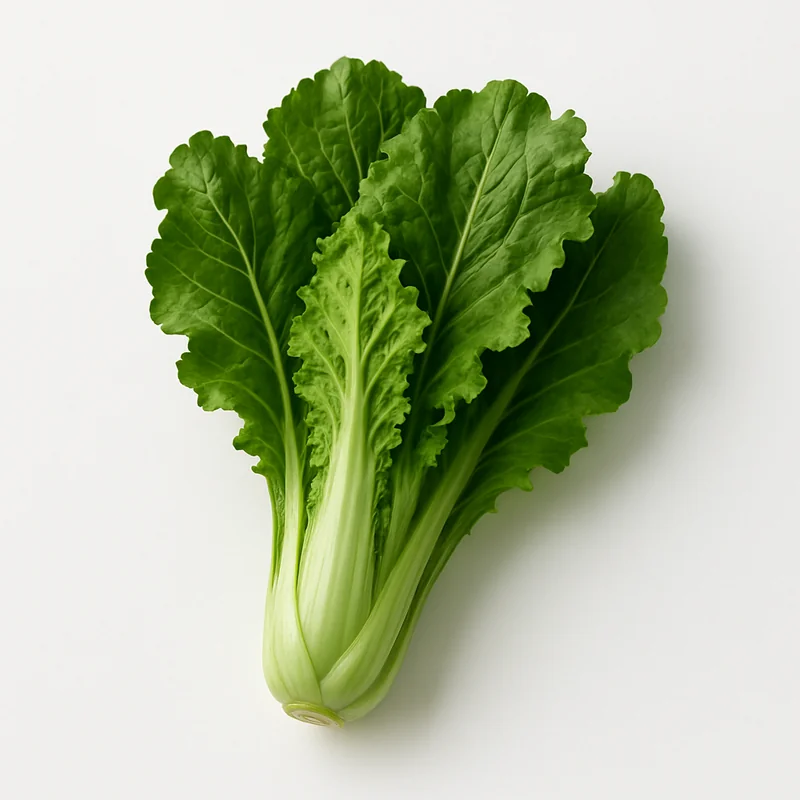
Chicory Green
ScoreA+
Chicory green is a bitter leafy vegetable rich in inulin, a prebiotic fiber that supports gut health, and vitamin K, essential for bone and cardiovascular health. Its low calorie density and high micronutrient concentration make it valuable for longevity-focused diets.
Why Chicory Green scores 94
% Daily Value per ½ cup (85 g)
Nutrition
per 100 g
Health benefits
Supports gut microbiota health and metabolic endotoxemia reduction
strong evidenceInulin (soluble prebiotic fiber) selectively stimulates growth of beneficial Bifidobacterium and Faecalibacterium species, improving intestinal barrier function and reducing lipopolysaccharide (LPS) translocation linked to chronic inflammation and age-related disease
Supports bone health and vascular integrity
strong evidenceExtremely high vitamin K content activates osteocalcin (bone mineralization) and matrix Gla-protein (vascular calcification prevention), directly supporting skeletal and cardiovascular aging markers
Reduces systemic inflammation and oxidative stress
moderate evidenceChicoric acid and chlorogenic acid act as polyphenolic antioxidants, modulating NF-κB inflammatory pathways and improving antioxidant enzyme expression (SOD, catalase, glutathione peroxidase)
Improves insulin sensitivity and glucose homeostasis
moderate evidenceInulin slows gastric emptying and reduces postprandial glycemic response; prebiotic-derived short-chain fatty acids (butyrate) enhance insulin sensitivity in peripheral tissues
Supports hepatic detoxification and metabolic health
emerging evidenceChicory compounds stimulate phase II detoxification enzymes (glutathione S-transferases) and support liver regeneration capacity, critical for processing metabolic waste in aging
Pairs well with
- ·Pair with olive oil or avocado: fat-soluble vitamin K requires dietary lipids for optimal absorption and utilization in bone and vascular tissues
- ·Combine with cruciferous vegetables (broccoli, kale): synergistic glucosinolate and polyphenol profiles enhance phase II detoxification enzyme activation
- ·Pair with fermented foods (sauerkraut, tempeh, kefir): exogenous probiotics work synergistically with inulin prebiotic to establish resilient gut microbiota
- ·Combine with citrus (lemon, grapefruit): vitamin C enhances non-heme iron absorption from chicory and reduces bitter flavor perception
Practical tips
- ·Best timing: Chicory greens are calorie-sparse and nutrient-dense, making them suitable for any meal. However, inclusion at lunch or dinner optimizes prebiotic inulin fermentation during fasting windows (overnight or between meals), maximizing short-chain fatty acid production and microbiota signaling when metabolic rate is lower. Pre-meal consumption may also improve satiety and blunt postprandial glucose response.
- ·Select younger, tender chicory greens (lighter color) rather than mature leaves; older greens become excessively bitter and fibrous. Store unwashed in refrigerator crisper for up to 5 days wrapped in damp paper towel
- ·Lightly blanch (2-3 minutes) before consuming raw to reduce bitterness while preserving heat-labile vitamin C and modestly increase inulin digestibility
- ·Introduce gradually if new to chicory: rapid inulin consumption may cause temporary bloating/gas as gut microbiota adapts. Begin with 50g portions 2-3x weekly, advancing to daily consumption
- ·Consume chicory greens in late afternoon or with evening meals: the prebiotic effect supports overnight fasting period by feeding beneficial bacteria and promoting short-chain fatty acid production during sleep
- ·Avoid cooking at high temperatures (boiling >5 minutes); sauté briefly or consume raw to retain vitamin K and water-soluble nutrients. Retain cooking water if steaming, as potassium and folate leach into liquid
Related foods
What is Chicory Green actually covering?
See which nutrients your diet already delivers and which ones your supplements still need to — food and pills measured on the same scale.
Check my nutrients2 questions · free · no account needed to start
Also on iPhone — get the free app
Evidence-based supplement guides, no spam
We send a short digest when new guides drop — nothing else. No affiliate pushes, no sponsored content, unsubscribe anytime.