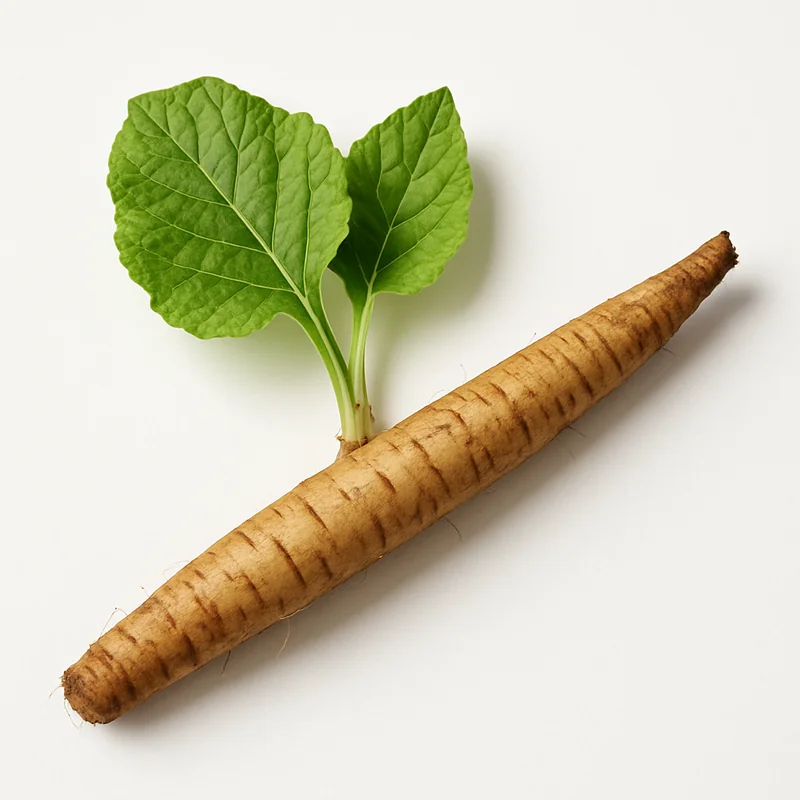
Burdock Root
ScoreA
Burdock root is a starchy root vegetable rich in inulin and other prebiotic compounds that support gut health and metabolic function. Its low calorie density and high fiber content make it valuable for longevity-focused nutrition.
Why Burdock Root scores 80
% Daily Value per ½ cup (85 g)
Nutrition
per 100 g
Health benefits
Enhanced gut microbiome diversity and prebiotic support
moderate evidenceInulin in burdock root serves as food for beneficial bacteria like Bifidobacterium and Faecalibacterium, increasing microbial diversity and short-chain fatty acid production, which reduce systemic inflammation and support intestinal barrier integrity
Improved glucose regulation and insulin sensitivity
moderate evidenceInulin slows gastric emptying and reduces postprandial glucose spikes by forming a viscous gel in the digestive tract, while polyphenols inhibit intestinal glucose absorption enzymes
Antioxidant and anti-inflammatory support
moderate evidenceChlorogenic acid and other polyphenols in burdock root directly scavenge reactive oxygen species and inhibit NF-κB inflammatory signaling pathways
Cardiovascular health maintenance
emerging evidenceHigh potassium content (308mg/100g) supports sodium-potassium balance and blood vessel function; inulin may reduce LDL cholesterol through bacterial production of propionate
Liver detoxification support
emerging evidenceTraditional use supported by emerging evidence that burdock polyphenols may enhance Phase II detoxification enzyme activity and hepatoprotective functions
Pairs well with
- ·Pair with olive oil because fat-soluble polyphenols require dietary lipids for optimal absorption and bioavailability of chlorogenic acid
- ·Combine with fermented foods (miso, sauerkraut) because exogenous probiotics plus burdock's inulin create synergistic microbiome effects; the prebiotic feeds introduced beneficial bacteria
- ·Cook with ginger and turmeric because these anti-inflammatory compounds complement burdock's polyphenols, with combined effect potentially exceeding individual contributions
- ·Pair with vitamin C sources (citrus, leafy greens) because ascorbic acid enhances non-heme iron absorption from burdock and increases polyphenol stability during digestion
Practical tips
- ·Best timing: Burdock root's low glycemic impact and prebiotic properties make it suitable throughout the day. Consuming at lunch or dinner may provide sustained satiety through inulin's viscosity, supporting weight maintenance goals
- ·Select firm, unblemished roots without soft spots; store unwrapped in refrigerator crisper drawer for up to 2-3 weeks to maintain crispness and inulin content
- ·Peel thinly or leave skin on during cooking to preserve polyphenol concentration; wash thoroughly under running water to remove soil
- ·Introduce gradually if new to your diet: start with 50-75g servings and increase over 1-2 weeks to allow gut microbiome adaptation to higher inulin intake and minimize bloating
- ·Roast or lightly stir-fry rather than boiling for extended periods; gentle cooking preserves heat-sensitive polyphenols better than long boiling which leaches inulin into water
- ·For maximum prebiotic benefit, consume 2-3 times weekly at 100-150g portions; consistency matters more than single large servings for sustained microbiome effects
Related foods
What is Burdock Root actually covering?
See which nutrients your diet already delivers and which ones your supplements still need to — food and pills measured on the same scale.
Check my nutrients2 questions · free · no account needed to start
Also on iPhone — get the free app
Evidence-based supplement guides, no spam
We send a short digest when new guides drop — nothing else. No affiliate pushes, no sponsored content, unsubscribe anytime.