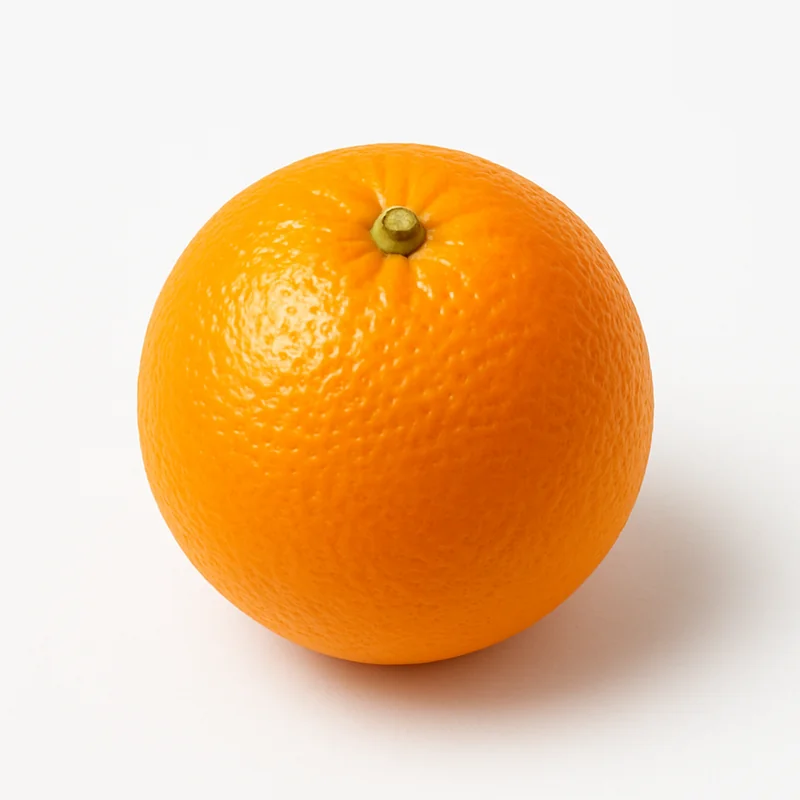
Orange
ScoreA+
Oranges are citrus fruits rich in vitamin C and fiber, providing exceptional immune support and digestive health benefits with minimal calories.
Why Orange scores 97
% Daily Value per 1 medium (140 g)
Nutrition
per 100 g
Health benefits
Enhanced immune function and reduced infection risk
strong evidenceHigh vitamin C content (59mg/100g) supports neutrophil and T-cell function, accelerates antibody production, and reduces duration of respiratory infections
Cardiovascular disease risk reduction
strong evidenceFlavonoids (especially hesperidin) improve endothelial function, reduce blood pressure, and lower LDL oxidation; potassium supports healthy blood pressure regulation
Improved glucose metabolism and insulin sensitivity
moderate evidenceSoluble fiber delays gastric emptying and glucose absorption; flavonoids enhance insulin signaling and reduce insulin resistance markers
Anti-inflammatory response and reduced oxidative stress
moderate evidenceVitamin C and flavonoids neutralize free radicals; limonoids and hesperidin suppress pro-inflammatory cytokine production
Enhanced collagen synthesis and skin health
strong evidenceVitamin C is an essential cofactor for prolyl and lysyl hydroxylase enzymes required for collagen cross-linking and structural integrity
Pairs well with
- ·Pair with almonds or walnuts because vitamin C enhances non-heme iron absorption from nuts' phytates and supports polyphenol antioxidant synergy
- ·Combine with leafy greens (spinach, kale) because vitamin C dramatically increases bioavailability of plant-based iron and enhances polyphenol absorption
- ·Add to Greek yogurt or kefir because vitamin C supports beneficial gut bacteria colonization and probiotics enhance flavonoid metabolism
- ·Pair with olive oil-based meals because fat-soluble carotenoid absorption from accompanying foods is enhanced, and vitamin C reduces oxidative stress from dietary fat
Practical tips
- ·Best timing: morning
- ·Choose firm, heavy oranges with thin skin indicating juice content; avoid soft spots or mold. Store at room temperature for 3-4 days or refrigerate for up to 2 weeks to extend shelf life
- ·Consume whole oranges rather than juice to retain the 2.2g fiber per 100g, which moderates glucose absorption and enhances satiety
- ·Eat the white pith beneath the peel—it contains 90% of the fruit's hesperidin flavonoid content and contributes significantly to cardiovascular benefits
- ·Consume fresh or within 24 hours of cutting to maximize vitamin C retention; heat and oxidation reduce ascorbic acid by 30-50% within 2-3 hours
- ·Select blood oranges or Seville oranges when available as they contain 2-3x higher flavonoid content than standard sweet varieties
Related foods
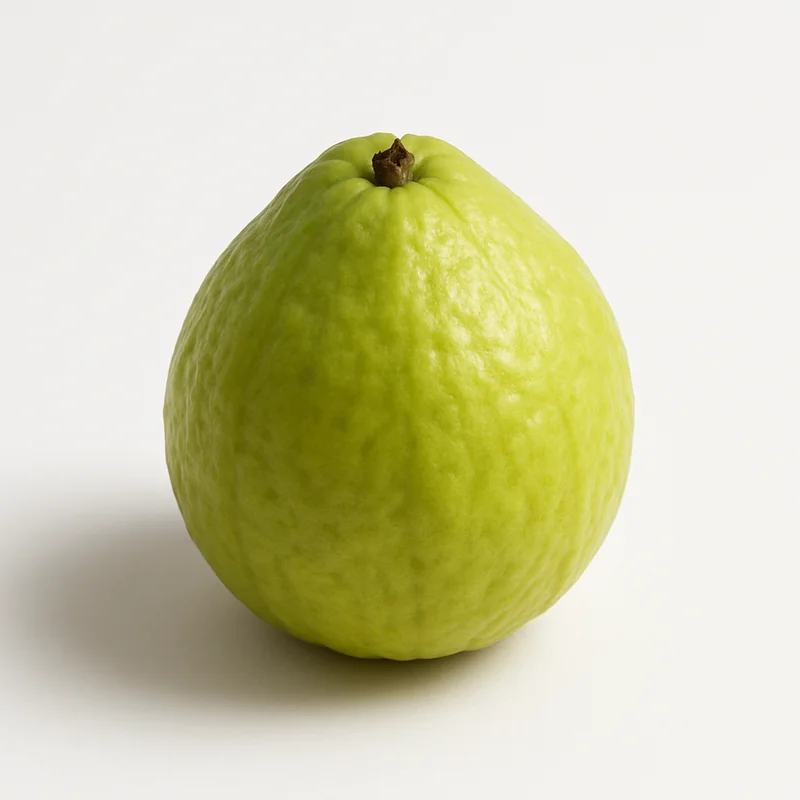

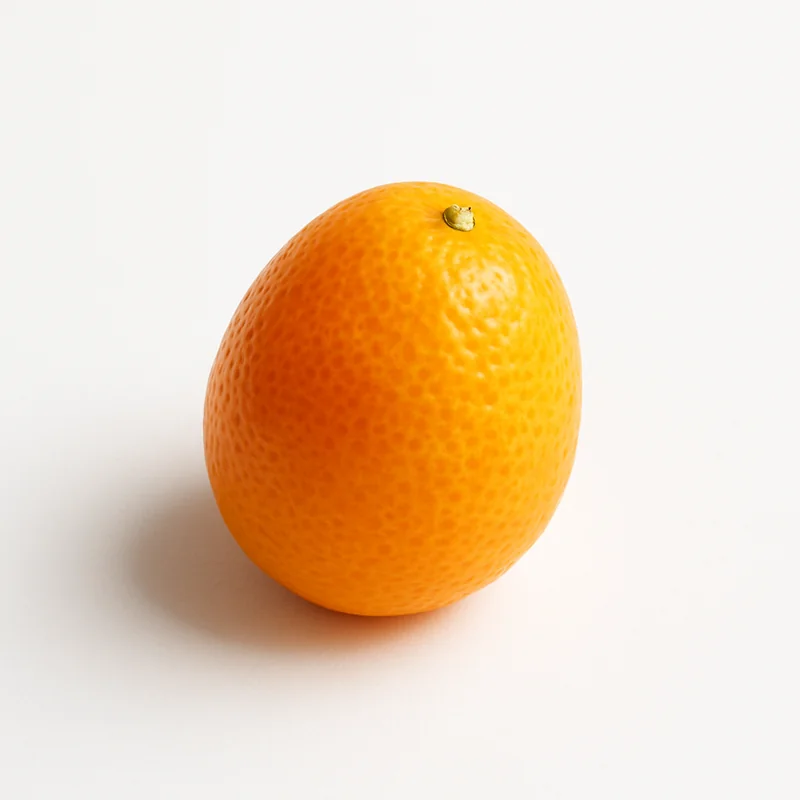

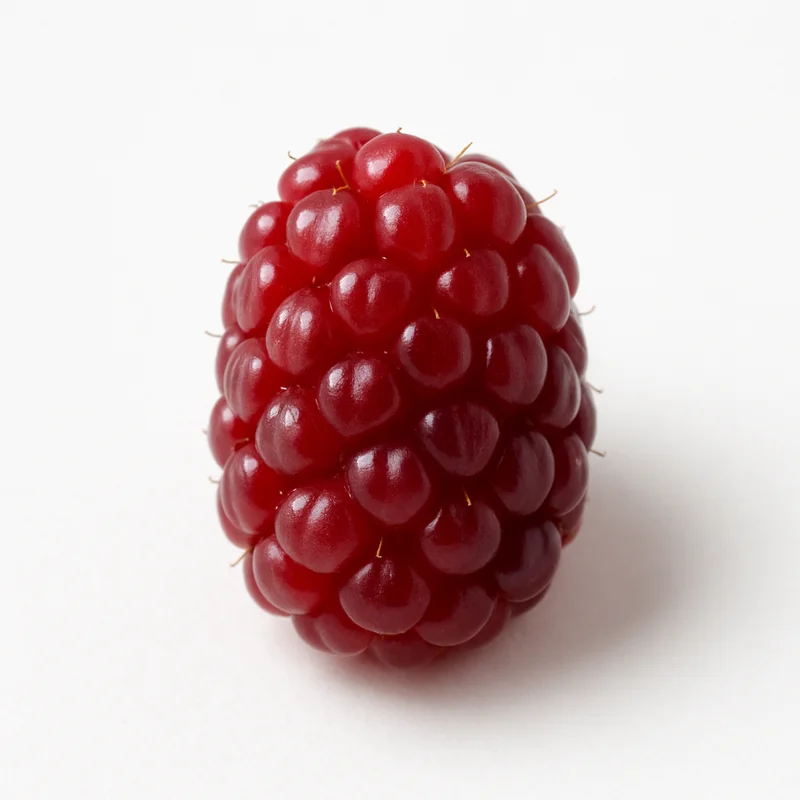
What is Orange actually covering?
See which nutrients your diet already delivers and which ones your supplements still need to — food and pills measured on the same scale.
Check my nutrients2 questions · free · no account needed to start
Also on iPhone — get the free app
Evidence-based supplement guides, no spam
We send a short digest when new guides drop — nothing else. No affiliate pushes, no sponsored content, unsubscribe anytime.