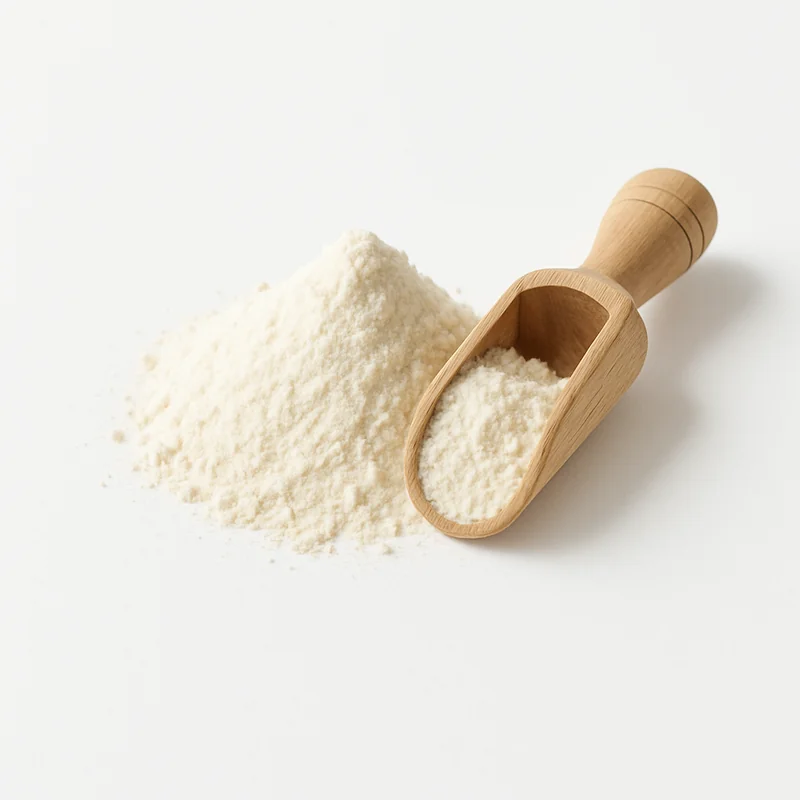
Flour
ScoreC
Flour is a finely ground powder made from grains, legumes, or seeds, serving as a dietary staple and primary source of carbohydrates, B vitamins, and minerals. Nutritional value varies significantly by type and processing method.
Why Flour scores 55
% Daily Value per 1 oz (30 g)
Nutrition
per 100 g
Health benefits
Supports stable blood glucose and metabolic health when using whole grain or low-glycemic varieties
strong evidenceWhole grain flours contain fiber and bran that slow starch digestion and glucose absorption, preventing blood sugar spikes and reducing insulin demand
Promotes healthy gut microbiota diversity and short-chain fatty acid production
strong evidenceInsoluble fiber and resistant starch in whole grain flour feed beneficial bacteria, producing butyrate that strengthens intestinal barrier and reduces inflammation
Reduces cardiovascular disease and type 2 diabetes risk with whole grain consumption
strong evidenceWhole grain flour provides B vitamins, magnesium, and polyphenols that support endothelial function, reduce oxidative stress, and improve insulin sensitivity
Provides sustained energy and improved satiety versus refined flour
moderate evidenceHigher fiber content slows gastric emptying and promotes greater satiety hormone release, reducing overall calorie intake and supporting weight management
Supplies bioavailable iron and B vitamins essential for energy metabolism and neurological function
strong evidenceWhole grain and fortified flours contain thiamine, niacin, folate, and iron required for ATP production, myelin synthesis, and homocysteine metabolism
Pairs well with
- ·Pair whole grain flour with legumes (lentil pasta, chickpea flour) because complementary amino acids create complete protein profiles and boost fiber intake
- ·Combine flour-based foods with omega-3 sources (flaxseed, chia seeds) to enhance anti-inflammatory effects and improve micronutrient absorption
- ·Mix whole grain flour with fermented foods (yogurt, kefir) because probiotics enhance mineral bioavailability and phytochemical digestion
- ·Pair flour-based meals with vitamin C sources (citrus, tomatoes, peppers) to enhance non-heme iron absorption from fortified and whole grain flours
Practical tips
- ·Best timing: midday
- ·Choose whole grain, sprouted, or alternative flours (spelt, rye, chickpea, almond) over refined white flour to maximize fiber, micronutrient density, and metabolic benefits
- ·Store whole grain flours in airtight containers in cool, dark conditions or refrigerate to prevent oxidation of beneficial oils and maintain phytochemical stability
- ·Mix refined and whole grain flours in a 1:1 ratio as a transition strategy to increase fiber intake while maintaining desired baking properties and palatability
- ·Check labels for 'whole grain as first ingredient' and aim for at least 3g dietary fiber per serving in bread or baked products
- ·Consider sprouted grain flours which reduce anti-nutrients (phytic acid) and increase bioavailability of minerals like zinc and magnesium
Related foods
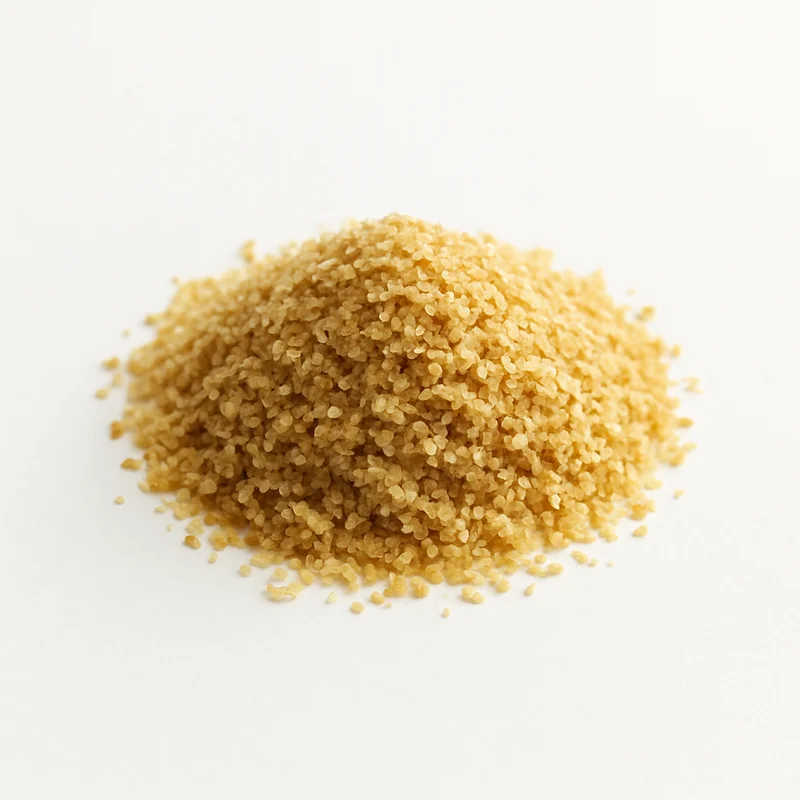
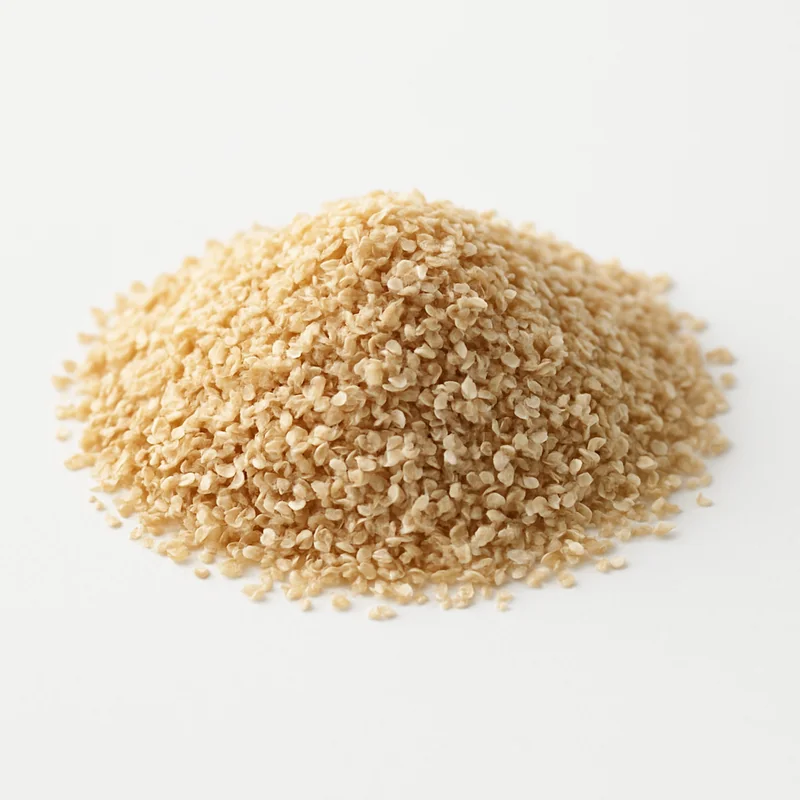
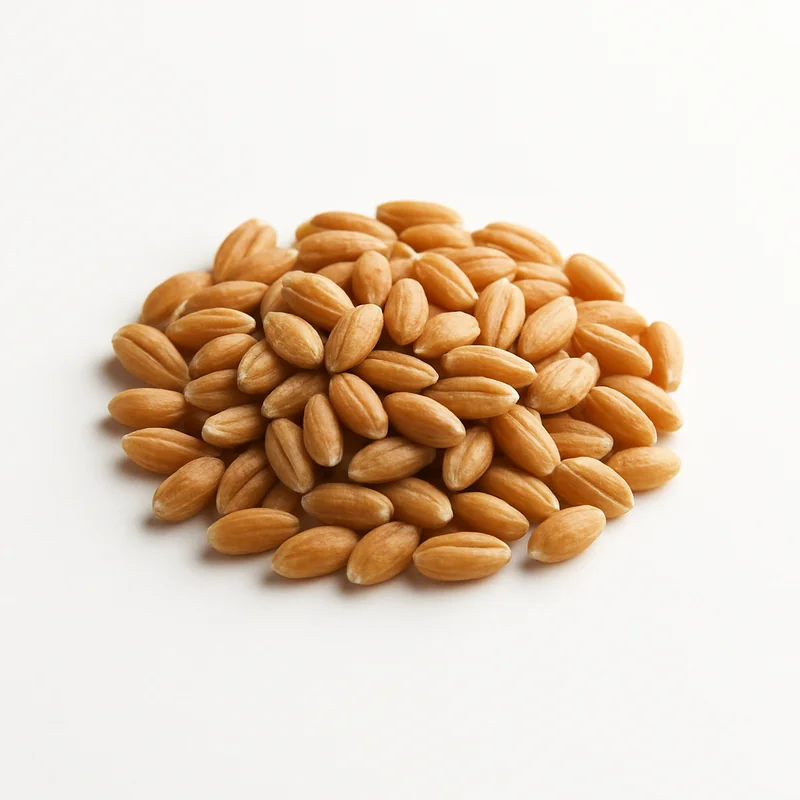
What is Flour actually covering?
See which nutrients your diet already delivers and which ones your supplements still need to — food and pills measured on the same scale.
Check my nutrients2 questions · free · no account needed to start
Also on iPhone — get the free app
Evidence-based supplement guides, no spam
We send a short digest when new guides drop — nothing else. No affiliate pushes, no sponsored content, unsubscribe anytime.