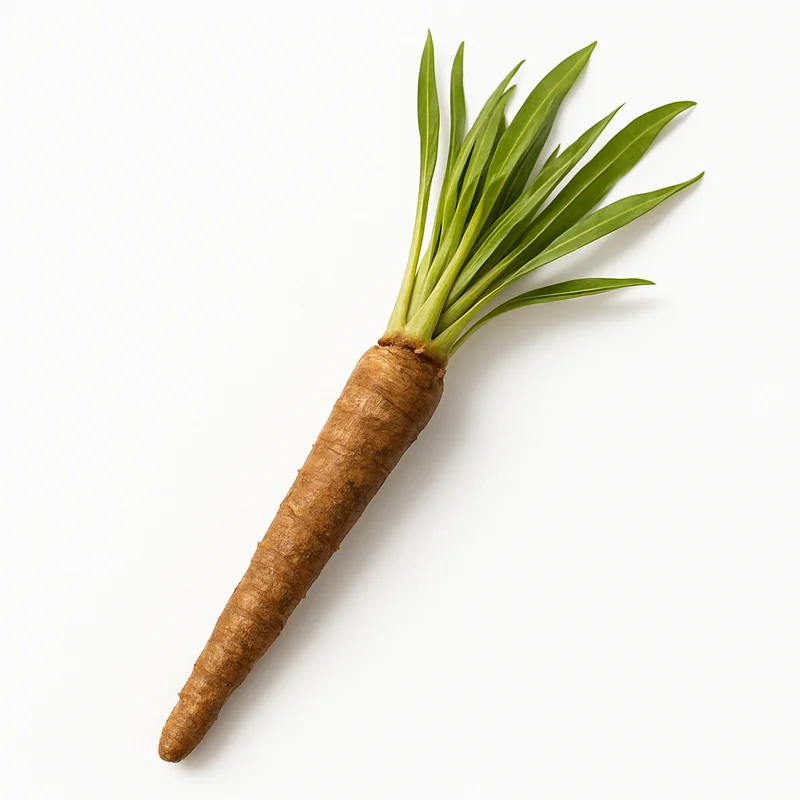
Salsify
ScoreA
Salsify is a root vegetable with a delicate, slightly oyster-like flavor, providing excellent prebiotic fiber and potassium with minimal calories, making it valuable for metabolic health and longevity.
Why Salsify scores 83
% Daily Value per ½ cup (85 g)
Nutrition
per 100 g
Health benefits
Promotes healthy gut microbiota diversity through prebiotic inulin fermentation
strong evidenceInulin is fermented by beneficial bacteria in the colon, producing short-chain fatty acids (butyrate) that strengthen the intestinal barrier, reduce lipopolysaccharide translocation, and support anti-inflammatory immune response
Supports cardiovascular health through potassium and fiber synergy
strong evidenceHigh potassium content aids vasodilation and blood pressure regulation; soluble fiber binds cholesterol and reduces LDL oxidation risk, while butyrate from inulin fermentation may improve endothelial function
Enhances metabolic health and insulin sensitivity
moderate evidencePrebiotic inulin slows glucose absorption, reduces postprandial glycemic spikes, and its fermentation products improve insulin-mediated glucose uptake in peripheral tissues
Supports folate-dependent one-carbon metabolism and DNA stability
moderate evidenceSalsify provides folate (26mcg per 100g) necessary for methionine cycle function, DNA methylation patterns, and nucleotide synthesis—processes deteriorating with age
Reduces systemic inflammation through microbial-derived metabolites
moderate evidenceInulin fermentation produces propionate and butyrate that upregulate GPR43/GPR109a signaling, reducing pro-inflammatory cytokine production and intestinal permeability
Pairs well with
- ·Pair with olive oil because fat-soluble polyphenols in salsify require lipid carriers for absorption, and olive oil's polyphenols provide additional anti-inflammatory synergy
- ·Combine with garlic and onions because all three contain fructans and prebiotic compounds that synergistically expand beneficial bacterial populations
- ·Serve with vitamin C sources (citrus, tomatoes, bell peppers) to enhance non-heme iron absorption from salsify's modest iron content
- ·Pair with fatty fish (salmon, mackerel) because omega-3 PUFA upregulates butyrate receptor expression, amplifying benefits from salsify's inulin fermentation
Practical tips
- ·Best timing: Salsify can be consumed at any meal; evening consumption may provide marginal benefit through overnight prebiotic fermentation and butyrate production during sleep-enhanced immune tolerance windows, but consistency matters more than timing
- ·Select firm salsify roots without soft spots; store unwashed in cool, humid conditions (32-40°F) for up to 3 weeks to preserve prebiotic inulin content
- ·Peel just before cooking with a vegetable peeler or knife to minimize oxidative loss of bioactive compounds; white flesh discolors quickly when exposed to air
- ·Lightly steam or roast salsify rather than boiling to preserve water-soluble folate and minimize leaching of minerals; retain cooking water for soups to capture dissolved potassium and inulin
- ·Consume salsify regularly (2-3 servings weekly) rather than sporadically to establish stable prebiotic fermentation and allow gut microbiota to adapt—benefits require 2-4 weeks of consistent intake
- ·Consider consuming salsify in evening meals or with dinner to maximize overnight fermentation and butyrate production during sleep when anti-inflammatory signaling is highest
Related foods
What is Salsify actually covering?
See which nutrients your diet already delivers and which ones your supplements still need to — food and pills measured on the same scale.
Check my nutrients2 questions · free · no account needed to start
Also on iPhone — get the free app
Evidence-based supplement guides, no spam
We send a short digest when new guides drop — nothing else. No affiliate pushes, no sponsored content, unsubscribe anytime.