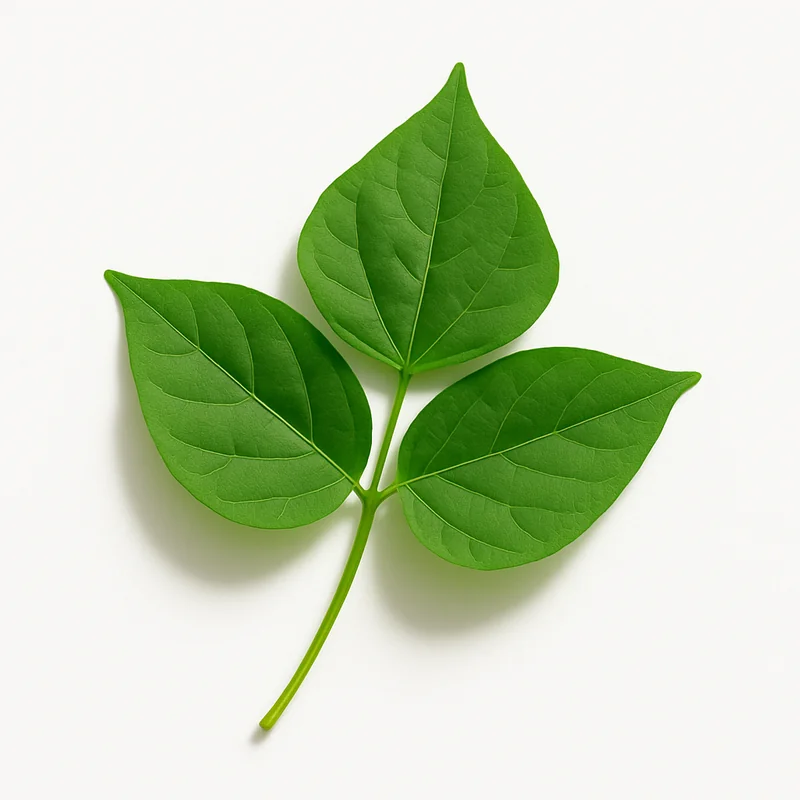
Winged Bean Leave
ScoreA
Winged bean leaves are a nutrient-dense tropical green vegetable with exceptional iron and calcium content, offering 4.0 mg iron and 224 mg calcium per 100g alongside notable protein for a leafy green.
Why Winged Bean Leave scores 85
% Daily Value per ½ cup (85 g)
Nutrition
per 100 g
Health benefits
Iron bioavailability and blood health support
strong evidenceWinged bean leaves provide 4.0 mg of iron per 100g. When paired with vitamin C sources, plant-based iron absorption increases significantly, supporting hemoglobin synthesis and oxygen transport capacity.
Bone mineral density support
strong evidenceHigh calcium content (224 mg/100g) combined with magnesium (8 mg) and phosphorus (63 mg) provides mineral cofactors for bone formation and mineralization, essential for skeletal resilience with aging.
Antioxidant defense and cellular protection
moderate evidenceVitamin C (45 mg) and vitamin A (405 IU) function as free-radical scavengers, reducing oxidative stress implicated in aging and chronic disease progression.
Vascular and metabolic health
moderate evidenceNiacin (3.47 mg) supports lipid metabolism and endothelial function, while potassium (176 mg) aids blood pressure regulation through natriuretic and vasodilatory mechanisms.
Muscle maintenance and protein sufficiency
moderate evidenceAt 5.85g protein per 100g, winged bean leaves provide amino acid diversity for muscle protein synthesis, particularly valuable as protein concentration in leaves exceeds most green vegetables.
Pairs well with
- ·Pair with citrus (lemon, lime) or tomato-based dishes to enhance iron absorption through vitamin C, increasing non-heme iron bioavailability 3-4 fold.
- ·Combine with healthy fats (olive oil, coconut oil, seeds) to improve fat-soluble vitamin A absorption and support carotenoid bioavailability.
- ·Serve alongside vitamin B12 sources (if plant-based: fortified foods, nutritional yeast) to create complementary amino acid and micronutrient profiles.
- ·Mix with garlic and ginger to add antimicrobial compounds and enhance digestive efficiency while reducing phytate-related mineral binding.
- ·Pair with sesame or pumpkin seeds to add complementary minerals (zinc, copper) and boost mineral co-absorption through food matrix effects.
Practical tips
- ·Best timing: midday
- ·Select young, tender leaves with vibrant green coloring; older leaves may develop a slightly bitter taste. Store in a breathable bag in the refrigerator crisper for 3-5 days.
- ·Lightly steam or stir-fry winged bean leaves (1-2 minutes) to preserve heat-sensitive vitamin C while enhancing calcium and iron bioavailability compared to raw consumption.
- ·Blanch briefly before freezing to preserve color and nutritional content for longer storage (up to 3 months) without nutrient degradation.
- ·Consume with a vitamin C source in the same meal to maximize iron absorption; vitamin C increases non-heme iron absorption by 3-4 times compared to isolated consumption.
- ·If consuming regularly, balance calcium intake from other sources to maintain appropriate calcium-to-phosphorus ratios for optimal bone metabolism.
Related foods
What is Winged Bean Leave actually covering?
See which nutrients your diet already delivers and which ones your supplements still need to — food and pills measured on the same scale.
Check my nutrients2 questions · free · no account needed to start
Also on iPhone — get the free app
Evidence-based supplement guides, no spam
We send a short digest when new guides drop — nothing else. No affiliate pushes, no sponsored content, unsubscribe anytime.