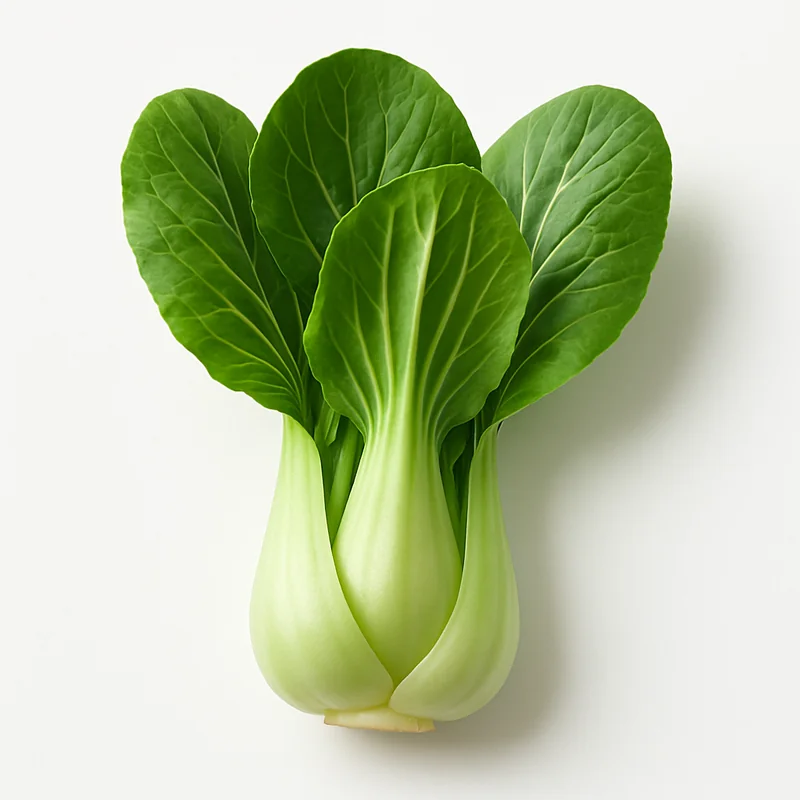
Bok Choy
ScoreA+
Bok choy is a leafy Asian cruciferous vegetable rich in vitamins K and C, calcium, and glucosinolates that support bone health and detoxification pathways.
Why Bok Choy scores 94
% Daily Value per ½ cup (85 g)
Nutrition
per 100 g
Health benefits
Supports bone health and reduces osteoporosis risk
strong evidenceHigh vitamin K content activates osteocalcin, a protein essential for binding calcium to the bone matrix, improving mineralization and bone density
Enhances liver detoxification capacity
moderate evidenceGlucosinolates are metabolized to isothiocyanates, which upregulate phase II detoxification enzymes (glutathione S-transferases) that neutralize carcinogens and xenobiotics
Supports cardiovascular health and blood vessel function
moderate evidenceVitamin K activates matrix Gla protein, which prevents arterial calcification; also contains polyphenols with anti-inflammatory effects on endothelial cells
Protects eye health and reduces macular degeneration risk
strong evidenceLutein and zeaxanthin accumulate in the retinal macula, filtering harmful blue light and reducing oxidative stress in photoreceptor cells
Reduces systemic inflammation and supports immune function
moderate evidenceVitamin C and polyphenols provide antioxidant and anti-inflammatory effects; supports natural killer cell function
Pairs well with
- ·Pair with healthy fats (olive oil, sesame oil, avocado) because fat-soluble vitamin K requires dietary lipids for absorption and bioavailability
- ·Combine with garlic or onions because allicin compounds enhance the bioavailability of glucosinolate metabolites and provide synergistic antimicrobial benefits
- ·Serve with citrus (lemon, lime) or tomatoes because vitamin C enhances non-heme iron absorption from bok choy's plant-based iron sources
- ·Pair with fermented foods (miso, tempeh, kimchi) because beneficial bacteria may enhance the conversion of glucosinolates to active isothiocyanates in the gut
Practical tips
- ·Best timing: Bok choy can be consumed at any meal without time-dependent nutrient interactions. Morning consumption supports vitamin K intake for bone health; inclusion in evening meals aids phase II detoxification during sleep when liver regeneration is active.
- ·Consume raw or lightly steamed (2-3 minutes) to preserve glucosinolates and heat-sensitive vitamin C; prolonged cooking reduces bioactive compound content by 30-50%
- ·Select smaller, younger bok choy (3-4 inches) which has more tender leaves and higher nutrient density than mature specimens
- ·Store in a breathable plastic bag in the refrigerator crisper drawer for up to 5 days; avoid moisture accumulation to prevent decay
- ·Chop or chew thoroughly before consuming to rupture cell walls and activate myrosinase enzyme, which converts glucosinolates to isothiocyanates during digestion
- ·Include bok choy 3-4 times weekly as part of a diverse cruciferous vegetable rotation (with broccoli, Brussels sprouts, cabbage) to ensure consistent intake of glucosinolates
Related foods
What is Bok Choy actually covering?
See which nutrients your diet already delivers and which ones your supplements still need to — food and pills measured on the same scale.
Check my nutrients2 questions · free · no account needed to start
Also on iPhone — get the free app
Evidence-based supplement guides, no spam
We send a short digest when new guides drop — nothing else. No affiliate pushes, no sponsored content, unsubscribe anytime.