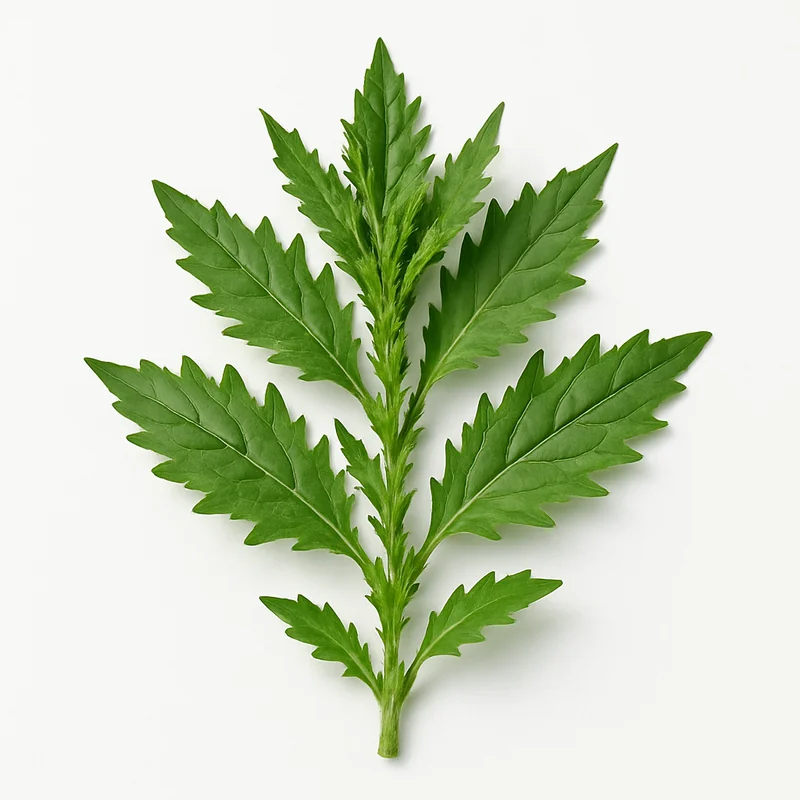
Epazote
ScoreA+
Epazote is a pungent Mexican herb rich in minerals and fiber, traditionally used in bean dishes for its digestive properties and distinctive peppery-citrus flavor.
Why Epazote scores 91
% Daily Value per ½ cup (85 g)
Nutrition
per 100 g
Health benefits
Improved legume digestibility and reduced gastrointestinal bloating
moderate evidenceEpazote contains ascaridole and other volatile compounds that inhibit fermentation of complex carbohydrates in legumes, reducing gas production and digestive discomfort
Enhanced bone health through manganese and calcium synergy
moderate evidenceManganese (3.1mg per 100g) works with calcium (275mg) and phosphorus to support bone matrix formation and mineralization
Cardiovascular support through potassium and folate
strong evidenceHigh potassium (633mg) aids blood pressure regulation while folate reduces homocysteine levels, a cardiovascular risk marker
Antimicrobial and anthelmintic activity
emerging evidenceAscaridole and other terpenoids in epazote demonstrate antimicrobial properties against common pathogens, supporting traditional use against parasites
Gut microbiota support through prebiotic fiber
moderate evidence3.8g fiber per 100g serves as fermentable substrate for beneficial bacteria, promoting short-chain fatty acid production
Pairs well with
- ·Pair with beans (black, pinto, kidney) because epazote's ascaridole reduces fermentation and improves protein digestibility while complementing their mineral content
- ·Combine with iron-rich foods like lentils or spinach because epazote's vitamin C content (though modest) enhances non-heme iron absorption
- ·Mix with garlic and onions because sulfur compounds in alliums synergize with epazote's antimicrobial volatiles for enhanced digestive benefit
- ·Serve with lime or lime juice because citric acid preserves epazote's volatile compounds and enhances folate bioavailability
- ·Add to corn-based dishes because traditional corn-beans-epazote combinations create a complete amino acid profile with enhanced mineral absorption
Practical tips
- ·Best timing: midday
- ·Use fresh epazote rather than dried when possible; dried leaves lose much of the peppery flavor and volatile antimicrobial compounds. Add near the end of cooking to preserve potency.
- ·Add epazote 10-15 minutes before beans finish cooking rather than at the beginning; this timing maximizes digestive benefit while preserving volatile compounds.
- ·Store fresh epazote in a damp paper towel inside a plastic bag in the refrigerator for up to one week; use within 3-5 days for maximum bioactive compound concentration.
- ·Start with small amounts (1-2 teaspoons fresh leaves per serving) to assess tolerance; the distinctive flavor is strong and may require adaptation.
- ·Grow epazote at home in warm climates; it's a hardy annual that self-seeds and requires minimal care, ensuring year-round access to fresh leaves.
Related foods
What is Epazote actually covering?
See which nutrients your diet already delivers and which ones your supplements still need to — food and pills measured on the same scale.
Check my nutrients2 questions · free · no account needed to start
Also on iPhone — get the free app
Evidence-based supplement guides, no spam
We send a short digest when new guides drop — nothing else. No affiliate pushes, no sponsored content, unsubscribe anytime.