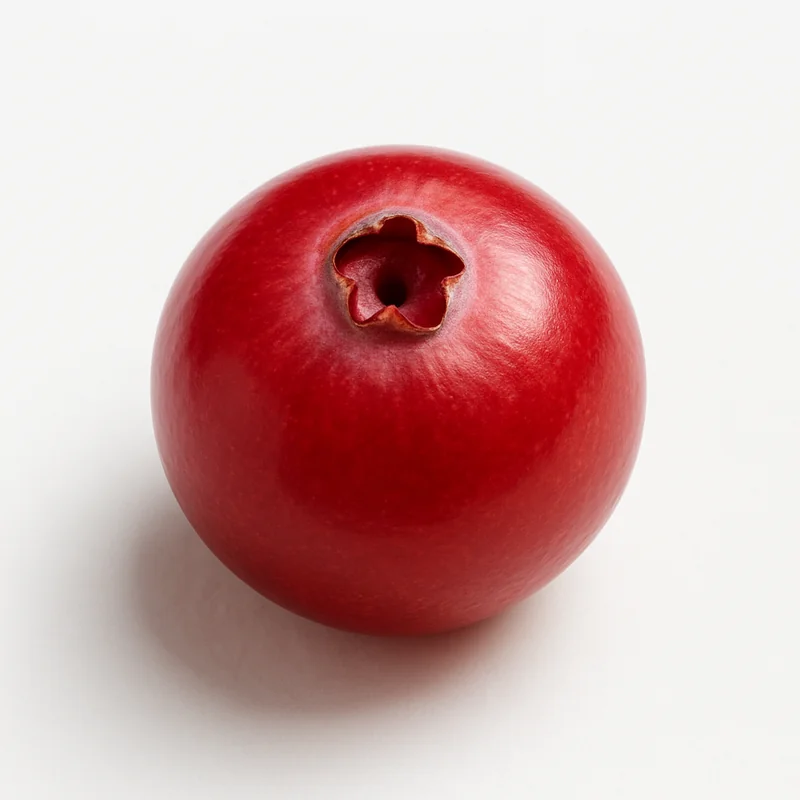
Lingonberries
ScoreA+
Lingonberries are tart, nutrient-dense Nordic berries rich in quercetin and vitamin C, offering powerful antioxidant and anti-inflammatory benefits with minimal calories.
Why Lingonberries scores 91
% Daily Value per 1 medium (140 g)
Nutrition
per 100 g
Health benefits
Reduced inflammation and improved vascular endothelial function
moderate evidenceQuercetin and anthocyanins inhibit NF-κB signaling pathways and reduce pro-inflammatory cytokines while promoting nitric oxide production in blood vessel lining, improving blood flow and vascular compliance
Enhanced antioxidant defense and cellular protection
strong evidenceHigh quercetin and vitamin E content scavenge reactive oxygen species (ROS) and support upregulation of endogenous antioxidant enzymes like SOD and catalase
Improved urinary tract health and bacterial resistance
moderate evidenceProanthocyanidins prevent uropathogenic bacteria adhesion to uroepithelial cells, reducing infection risk without promoting antibiotic resistance
Support for metabolic flexibility and glucose homeostasis
moderate evidencePolyphenols enhance insulin sensitivity through AMPK activation and improve glucose clearance in muscle tissue via improved mitochondrial function
Cognitive preservation and neuroprotection
emerging evidenceAnthocyanins cross the blood-brain barrier and reduce neuroinflammation, supporting synaptic plasticity and protecting against age-related cognitive decline
Pairs well with
- ·Pair with full-fat yogurt or kefir because fat-soluble quercetin and vitamin E require dietary lipids for optimal absorption and the probiotics support polyphenol metabolism in the gut microbiome
- ·Combine with nuts (almonds, walnuts) because vitamin E synergistically amplifies antioxidant effects, and nuts provide complementary minerals (magnesium, zinc) for sustained anti-inflammatory benefits
- ·Mix with dark leafy greens (spinach, kale) because the high vitamin C in lingonberries enhances absorption of non-heme iron from greens, while phytochemicals work synergistically
- ·Pair with green tea because both are rich in catechin polyphenols, creating additive EGCG and quercetin concentrations that amplify epigenetic effects on longevity pathways
Practical tips
- ·Best timing: Lingonberries can be consumed any time of day; morning consumption supports antioxidant defense throughout the day, while post-meal timing (within 15 minutes after eating) may support glucose metabolism. Evening consumption is also beneficial—polyphenols support circadian rhythm regulation and may improve sleep quality through reduced oxidative stress.
- ·Fresh lingonberries are highly perishable; freeze immediately after purchase on a flat tray, then transfer to freezer bags—frozen berries retain 90%+ of polyphenol content for up to 12 months
- ·To minimize sugar impact, add lingonberries to meals with protein and fat (Greek yogurt, nuts, seeds) rather than consuming alone; this moderates glucose response while enhancing polyphenol absorption
- ·Select frozen berries over jam or sweetened preparations, which lose quercetin through heat processing and add refined sugars; aim for 1/4 to 1/2 cup servings as a nutrient-dense addition
- ·If using fresh berries, consume within 2-3 days of purchase; store in refrigerator's coldest section in original packaging to preserve anthocyanin concentration
- ·Incorporate into smoothies with ground flaxseed and full-fat milk to maximize polyphenol bioavailability and support sustained energy without blood sugar spikes
Related foods
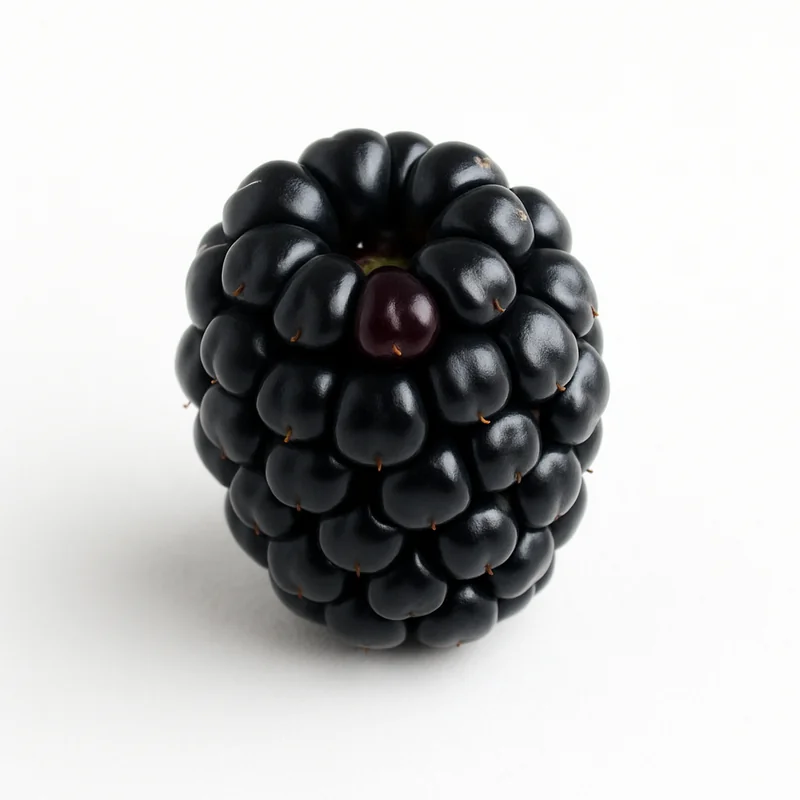
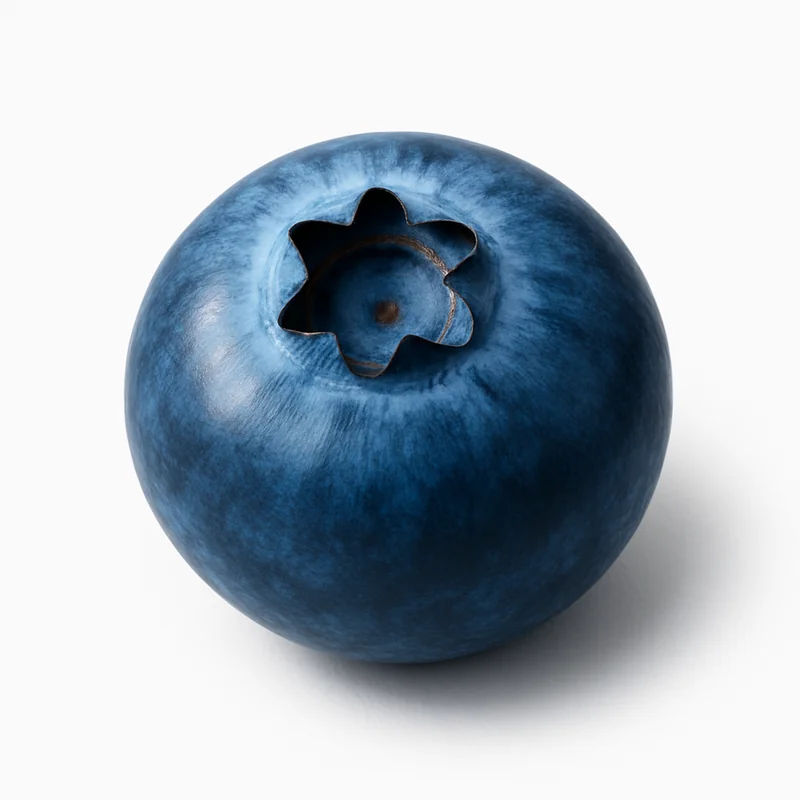
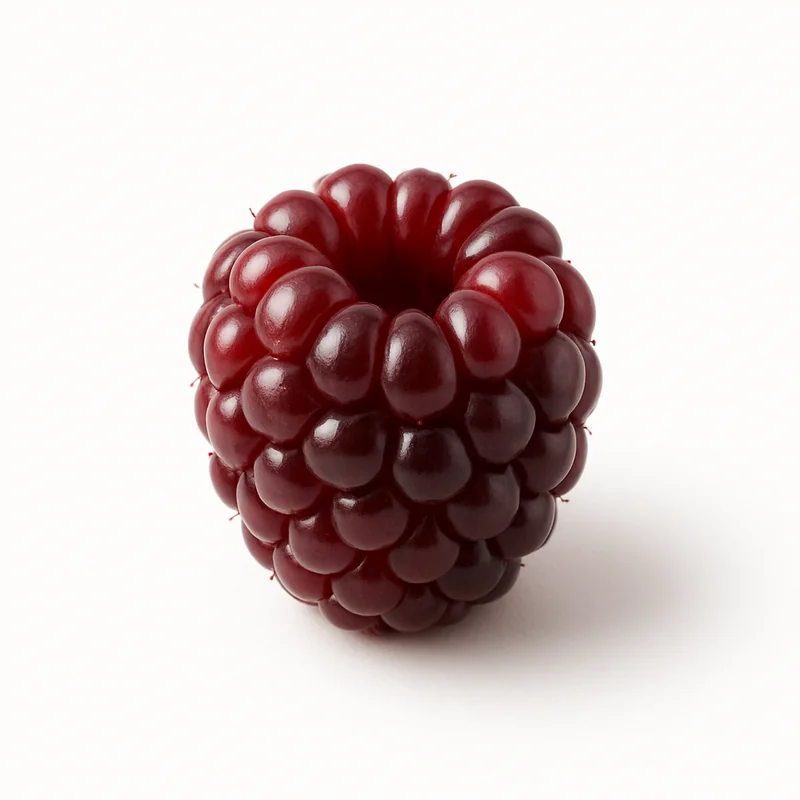

What is Lingonberries actually covering?
See which nutrients your diet already delivers and which ones your supplements still need to — food and pills measured on the same scale.
Check my nutrients2 questions · free · no account needed to start
Also on iPhone — get the free app
Evidence-based supplement guides, no spam
We send a short digest when new guides drop — nothing else. No affiliate pushes, no sponsored content, unsubscribe anytime.