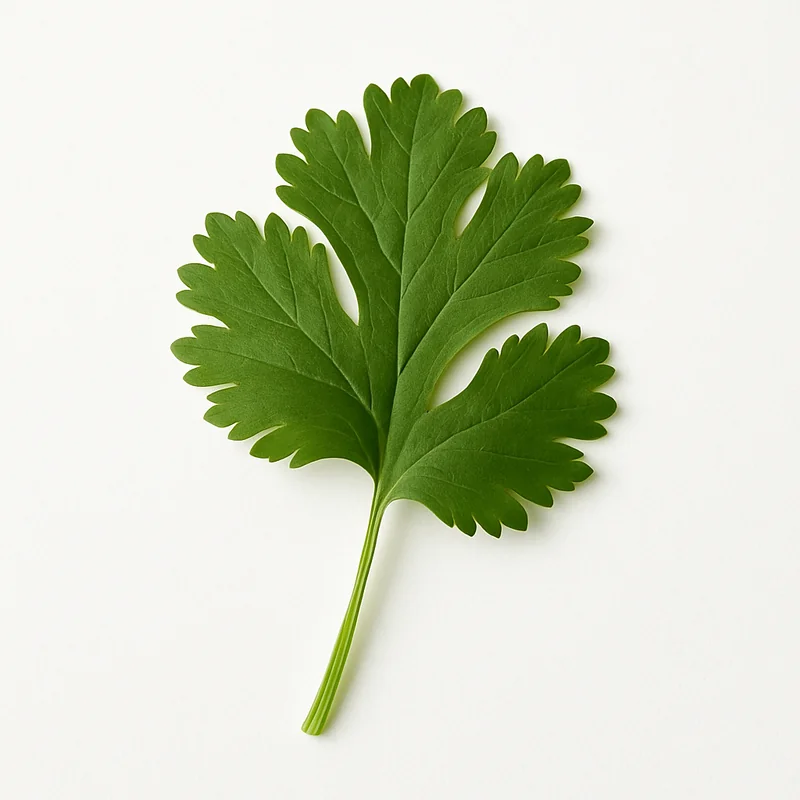
Coriander (Cilantro) Leave
ScoreA+
Cilantro leaves are an aromatic herb rich in vitamin K, potassium, and antioxidants with minimal calories. This nutrient-dense leaf supports cardiovascular and cognitive health while adding flavor to meals without dietary burden.
Why Coriander (Cilantro) Leave scores 95
% Daily Value per ½ cup (85 g)
Nutrition
per 100 g
Health benefits
Supports cardiovascular health through potassium and antioxidant content
moderate evidencePotassium regulates blood pressure by counteracting sodium and supporting endothelial function; quercetin reduces arterial inflammation and LDL oxidation
Promotes bone health and vascular mineralization
strong evidenceVitamin K (310 mcg per 100g) activates osteocalcin and matrix Gla protein, which direct calcium to bones and away from soft tissues, reducing arterial calcification risk
Reduces systemic inflammation
moderate evidenceLinalool and other volatile oils suppress NF-κB signaling and cytokine production; polyphenols provide direct free radical scavenging
Supports cognitive function and mood regulation
emerging evidenceLinalool crosses the blood-brain barrier and may enhance GABA signaling; antioxidants reduce neuroinflammation associated with cognitive decline
Enhances nutrient absorption and detoxification
moderate evidenceHigh chlorophyll content binds heavy metals; volatile oils stimulate Phase I and II detoxification enzymes; vitamin C enhances iron bioavailability from plant sources
Pairs well with
- ·Pair with iron-rich foods (spinach, lentils, beef) because cilantro's vitamin C (27 mg/100g) enhances non-heme iron absorption by 3-4 fold
- ·Combine with healthy fats (olive oil, avocado, nuts) because cilantro's fat-soluble vitamin K and carotenoids require dietary fat for optimal absorption
- ·Mix into fermented foods (kimchi, sauerkraut, kefir) because the combination amplifies antioxidant capacity and supports gut microbiota diversity
- ·Pair with cruciferous vegetables (broccoli, cauliflower) because both contain glucosinolates and isothiocyanates that synergistically activate detoxification pathways
Practical tips
- ·Best timing: Cilantro's micronutrients and bioactive compounds are bioavailable across all meal times; incorporating it into lunch and dinner ensures consistent daily intake without concentrated amounts that might cause digestive sensitivity in some individuals
- ·Store cilantro upright in a glass of water covered loosely with a plastic bag in the refrigerator to maintain freshness for up to 2 weeks; change water every 3 days
- ·Add cilantro at the end of cooking or raw to preserve heat-sensitive vitamin C and volatile oils; heating reduces linalool content by 40-60%
- ·Consume 15-30g of fresh cilantro (roughly 1-2 cups loosely packed) daily to achieve meaningful micronutrient contribution without overwhelming flavor
- ·Purchase organic when possible to minimize pesticide residue; cilantro is frequently treated with fungicides in conventional agriculture
- ·Make a cilantro pesto by blending with olive oil, nuts, and lemon juice for a nutrient-preserving preparation that increases fat solubility of fat-soluble vitamins
Related foods
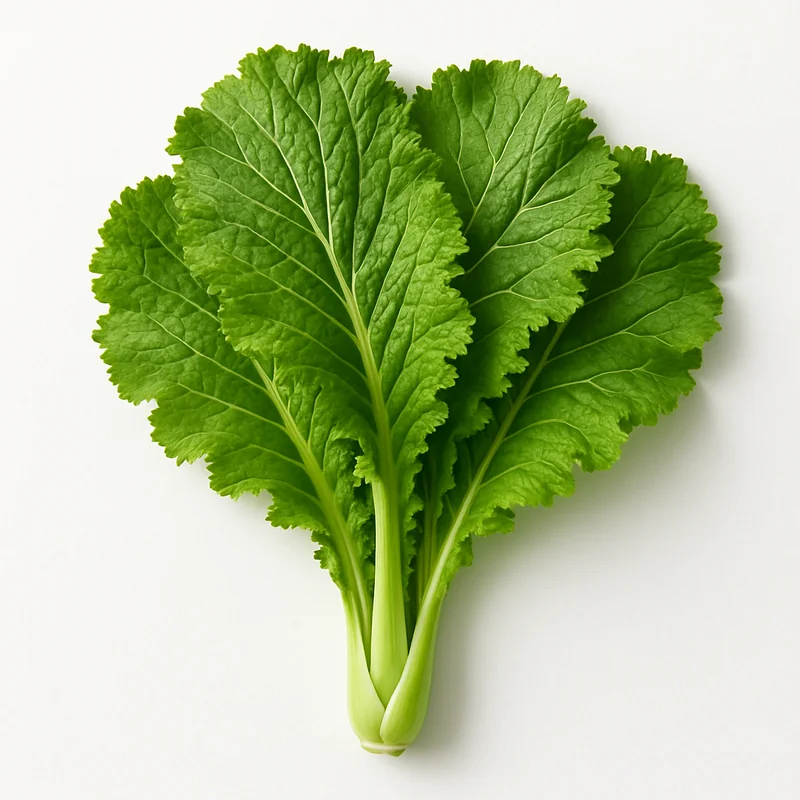
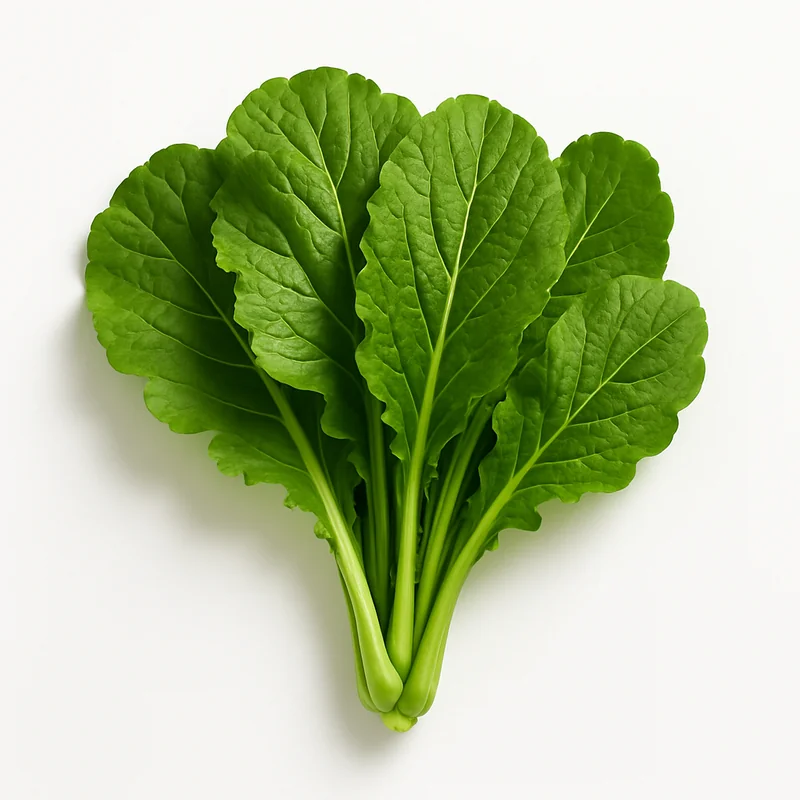
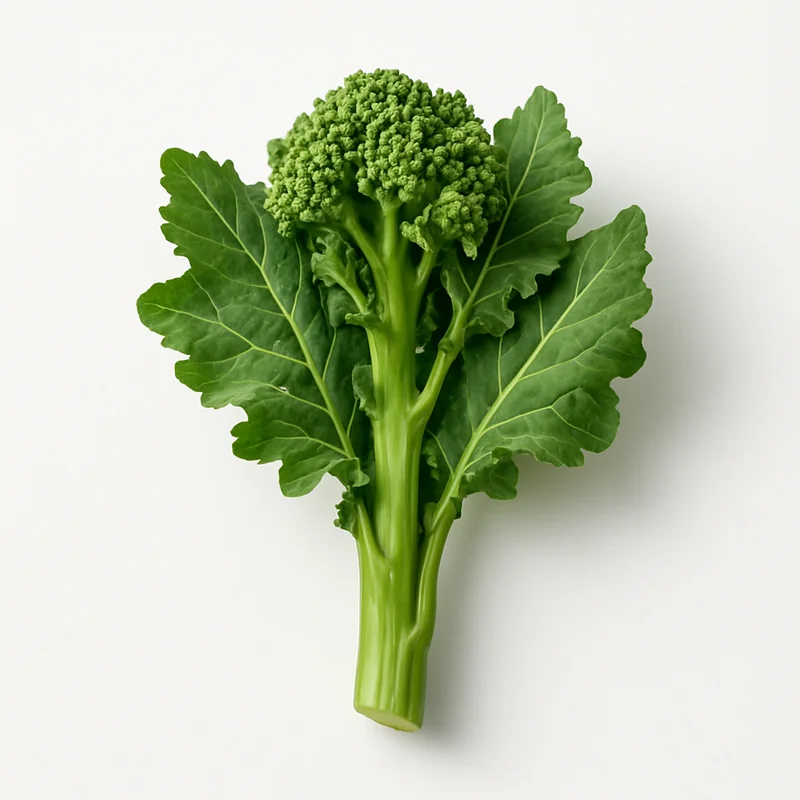
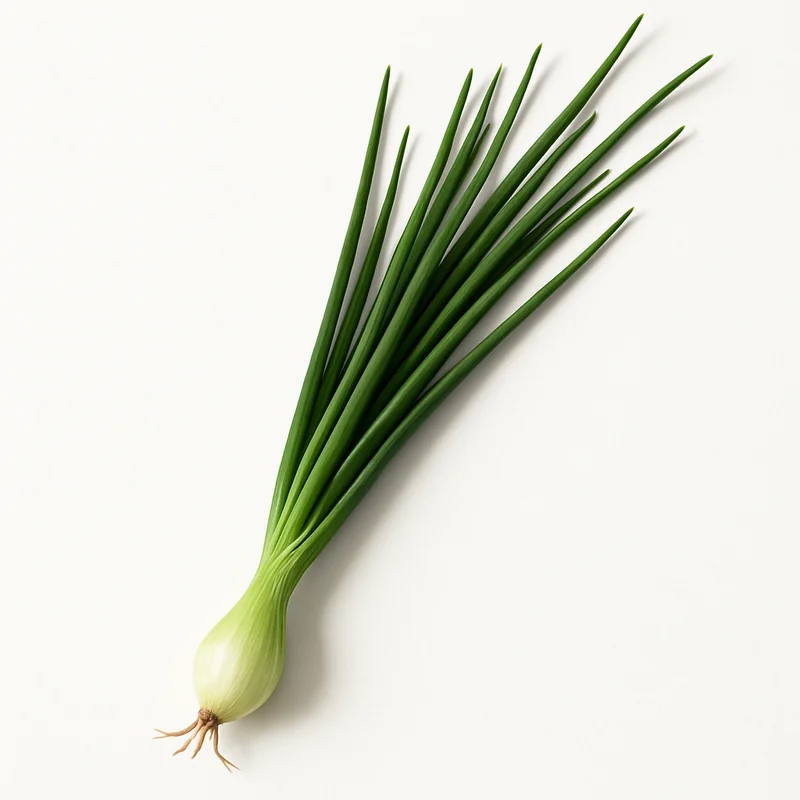
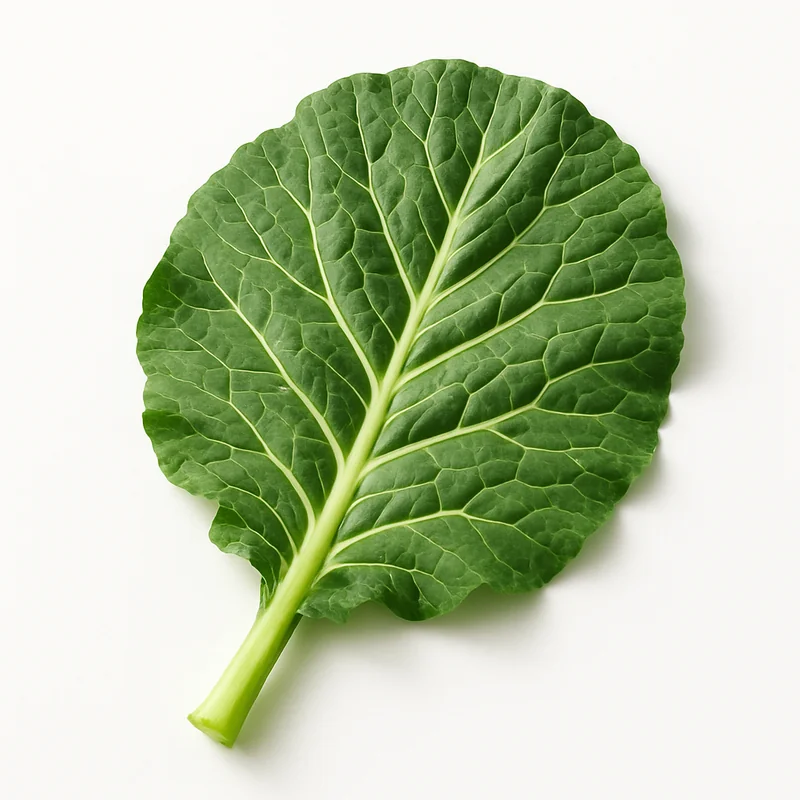
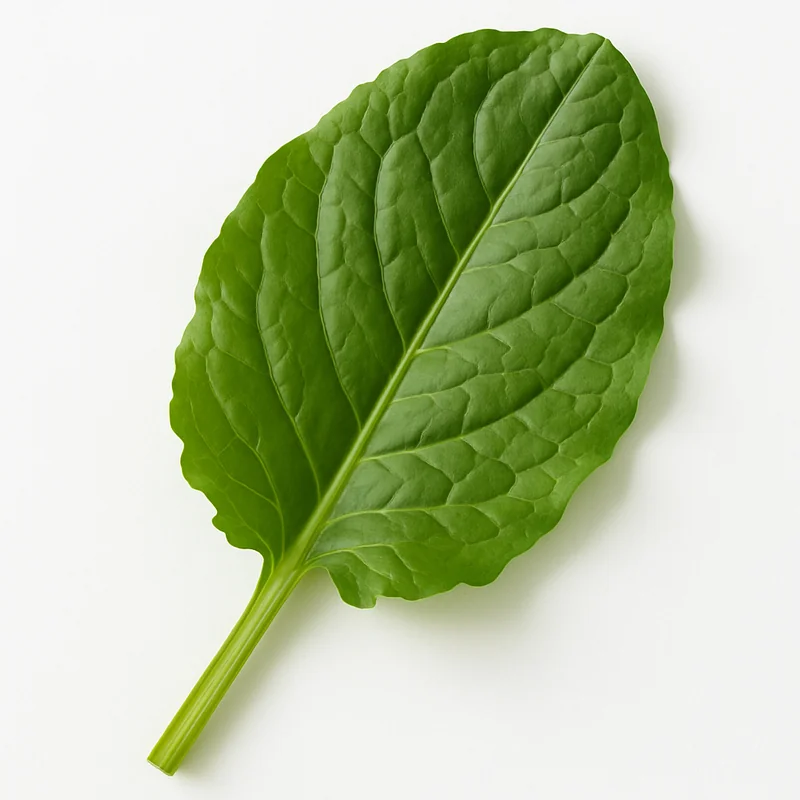
What is Coriander (Cilantro) Leave actually covering?
See which nutrients your diet already delivers and which ones your supplements still need to — food and pills measured on the same scale.
Check my nutrients2 questions · free · no account needed to start
Also on iPhone — get the free app
Evidence-based supplement guides, no spam
We send a short digest when new guides drop — nothing else. No affiliate pushes, no sponsored content, unsubscribe anytime.