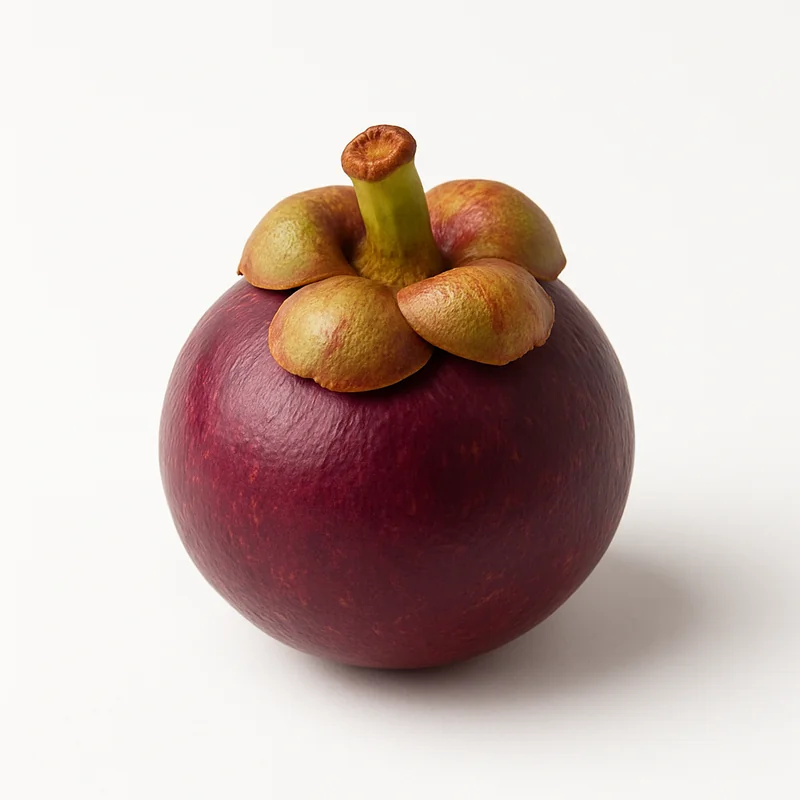
Mangosteen
ScoreC
Mangosteen is a tropical fruit rich in xanthones and polyphenolic compounds with modest micronutrient content, primarily valued for its antioxidant and anti-inflammatory properties.
Why Mangosteen scores 59
% Daily Value per 1 medium (140 g)
Nutrition
per 100 g
Health benefits
Powerful antioxidant protection through xanthone compounds
moderate evidenceAlpha-mangostin and gamma-mangostin neutralize free radicals and reduce oxidative stress, protecting cellular DNA and reducing age-related cellular damage
Anti-inflammatory effects on systemic inflammation markers
moderate evidenceXanthones inhibit NF-κB and other pro-inflammatory signaling pathways, potentially reducing chronic low-grade inflammation linked to aging
Cardiovascular support through endothelial function improvement
emerging evidencePolyphenols enhance nitric oxide production and improve vascular flexibility, supporting healthy blood pressure and circulation
Neuroprotective potential via antioxidant and anti-inflammatory mechanisms
emerging evidenceXanthones cross the blood-brain barrier and protect neurons from oxidative stress and neuroinflammation
Gut microbiome support through prebiotic fiber and polyphenol metabolism
emerging evidenceFiber and polyphenols are fermented by beneficial bacteria, promoting microbial diversity and production of short-chain fatty acids
Pairs well with
- ·Pair with fatty fish (salmon, mackerel) because fat-soluble xanthones have enhanced bioavailability with dietary lipids, improving polyphenol absorption
- ·Combine with leafy greens (spinach, kale) because both are antioxidant-rich and synergistically reduce oxidative stress through complementary phytonutrient profiles
- ·Mix with yogurt or kefir because live cultures enhance fermentation of mangosteen polyphenols in the colon, increasing bioactive metabolite production
- ·Pair with turmeric because both contain curcumin and xanthones that amplify anti-inflammatory effects through complementary mechanisms
Practical tips
- ·Best timing: Mangosteen's polyphenols and fiber support digestive and antioxidant processes throughout the day without stimulant properties, making it suitable for any meal or snack
- ·Select mangosteens with dark purple rind and slight softness—avoid rock-hard fruit or those with brown spots indicating overripeness or decay
- ·Store at room temperature for 1-2 days or refrigerate for up to 2 weeks; the rind protects fruit longer than most berries, but quality declines rapidly once refrigerated
- ·Consume the white segments fresh immediately after opening for maximum xanthone content, as polyphenol compounds degrade with air exposure and oxidation
- ·Source frozen or freeze-dried mangosteen powder in off-season to maintain antioxidant intake year-round, as fresh availability is limited to June-September in most markets
Related foods



What is Mangosteen actually covering?
See which nutrients your diet already delivers and which ones your supplements still need to — food and pills measured on the same scale.
Check my nutrients2 questions · free · no account needed to start
Also on iPhone — get the free app
Evidence-based supplement guides, no spam
We send a short digest when new guides drop — nothing else. No affiliate pushes, no sponsored content, unsubscribe anytime.