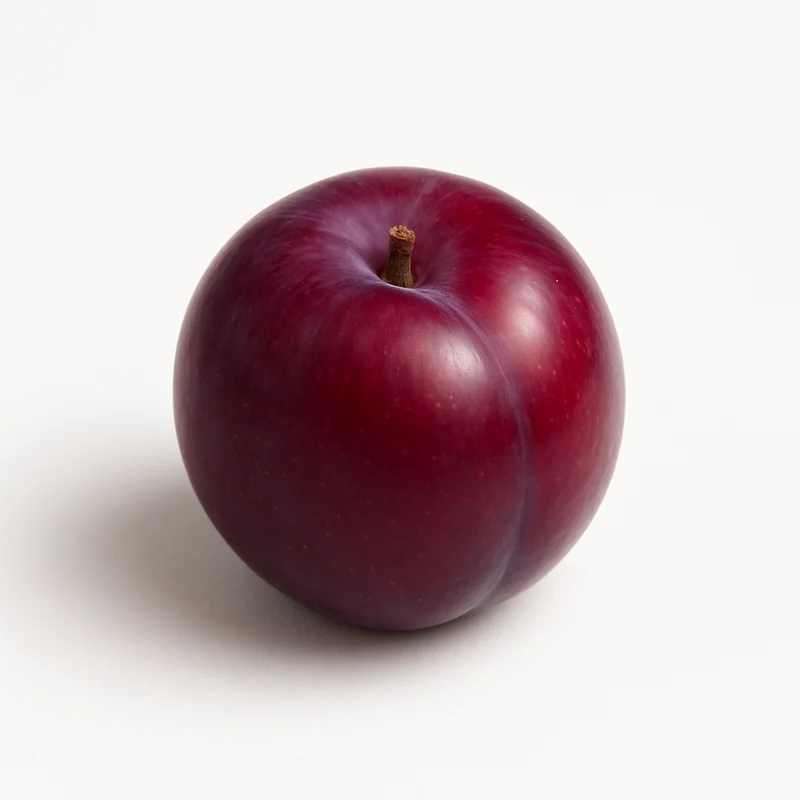
Prune
ScoreB
Prunes are dried plums concentrated in natural sugars, fiber, and polyphenols, delivering exceptional amounts of potassium and iron in a small serving.
Why Prune scores 62
% Daily Value per a handful (40 g)
Nutrition
per 100 g
Health benefits
Supports bone health and density
moderate evidencePrunes contain high levels of boron, polyphenols, and potassium which stimulate osteoblast activity, reduce bone turnover markers, and support acid-base balance critical for bone mineralization
Promotes digestive regularity and gut health
strong evidenceSorbitol and soluble fiber in prunes increase stool bulk and promote beneficial bacteria growth while sorbitol acts as a natural osmotic laxative without harsh stimulation
Reduces cardiovascular disease risk
strong evidenceHigh potassium content supports healthy blood pressure, while polyphenols reduce oxidative stress and inflammation in vascular tissue; chlorogenic acid improves endothelial function
Enhances iron absorption and addresses anemia risk
moderate evidencePrunes provide highly bioavailable iron (3.5mg per 100g) along with vitamin C and polyphenols that enhance non-heme iron absorption in the intestine
Supports cognitive function and neuroprotection
emerging evidencePolyphenols and boron in prunes reduce neuroinflammation and support acetylcholine synthesis, while boron enhances neural signaling and cognitive performance in aging populations
Pairs well with
- ·Pair with yogurt because the probiotics enhance polyphenol metabolism and the fat improves absorption of fat-soluble bioactive compounds while reducing glycemic impact
- ·Combine with almonds or walnuts because the vitamin E and healthy fats provide synergistic antioxidant protection and slow glucose absorption from prune sugars
- ·Eat with leafy greens like spinach because vitamin K in greens synergizes with prune minerals (boron, magnesium, potassium) for optimal bone metabolism
- ·Pair with green tea because both contain polyphenols that work synergistically to enhance antioxidant capacity and support cardiovascular health
Practical tips
- ·Best timing: midday
- ·Store prunes in an airtight container in a cool, dark place or refrigerator to preserve polyphenol content; properly stored prunes maintain potency for 6-12 months
- ·Soak prunes in water for 2-4 hours before consumption to rehydrate and create a prebiotic-rich 'prune water' that supports gut microbiota while making the fruit easier to digest
- ·Limit portions to 30-40g (3-4 prunes) per day to avoid excessive fructose intake and digestive distress, despite their health benefits; this provides ~100 calories and significant micronutrients
- ·Choose unsweetened, unsulfured prunes when possible, as processing adds unnecessary sugar and sulfites may trigger sensitivities in some individuals
- ·Consume prunes with meals rather than alone to moderate blood sugar impact and maximize mineral absorption through enhanced gastric acid production
Related foods
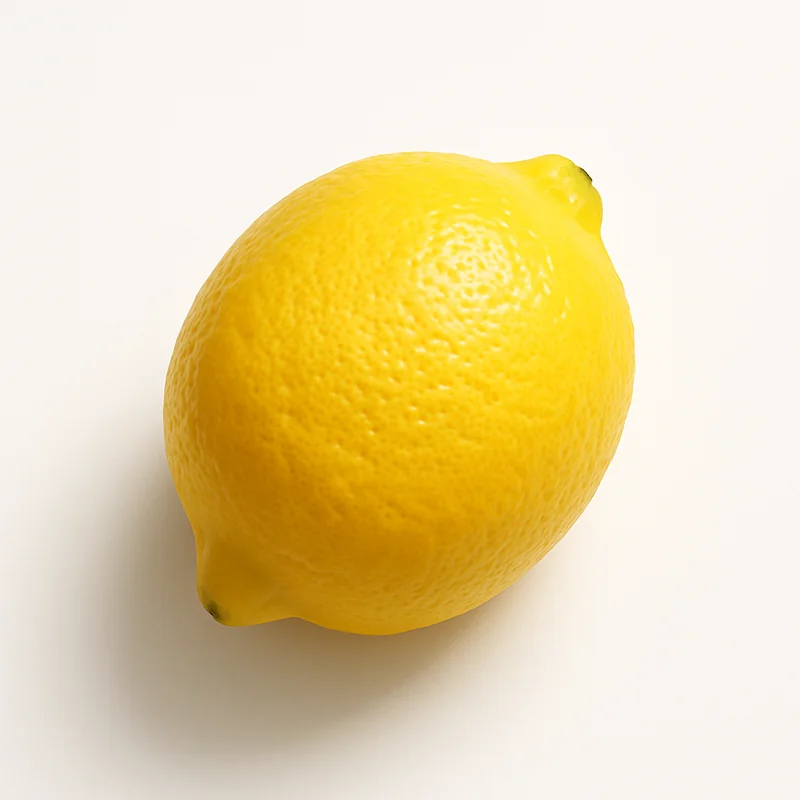
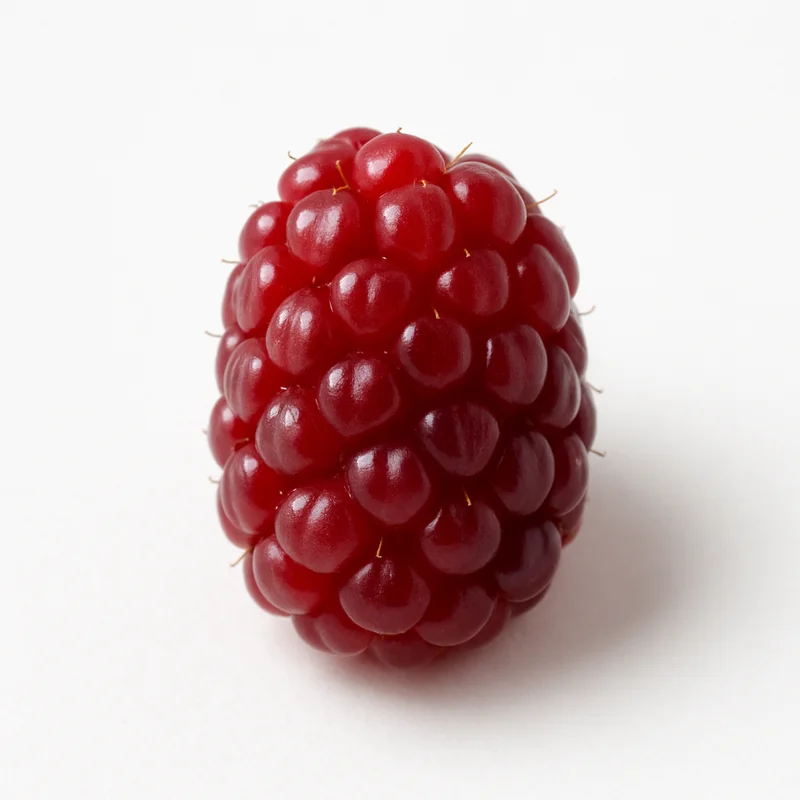
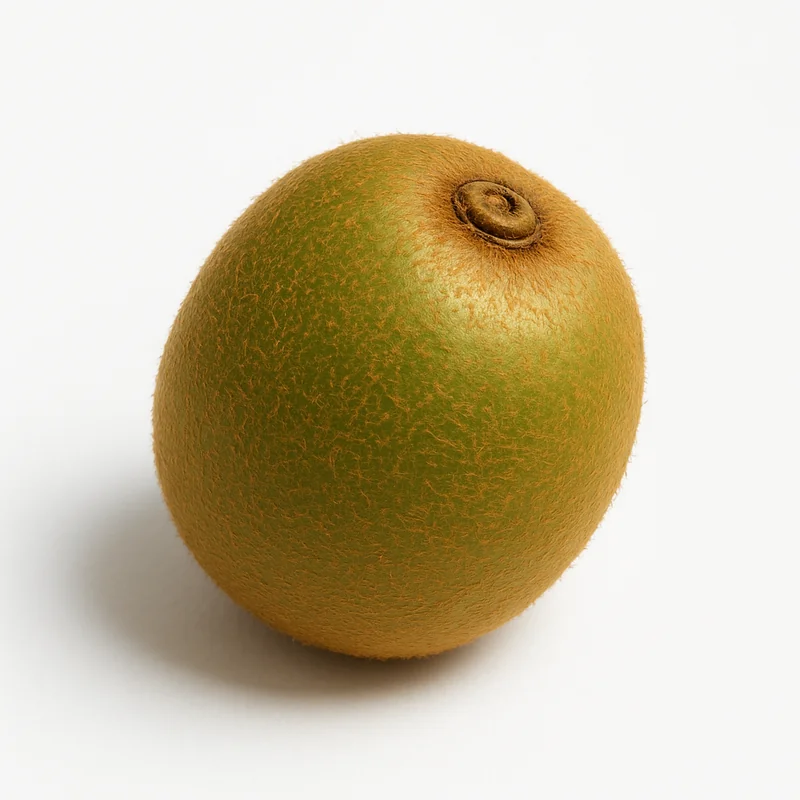
What is Prune actually covering?
See which nutrients your diet already delivers and which ones your supplements still need to — food and pills measured on the same scale.
Check my nutrients2 questions · free · no account needed to start
Also on iPhone — get the free app
Evidence-based supplement guides, no spam
We send a short digest when new guides drop — nothing else. No affiliate pushes, no sponsored content, unsubscribe anytime.