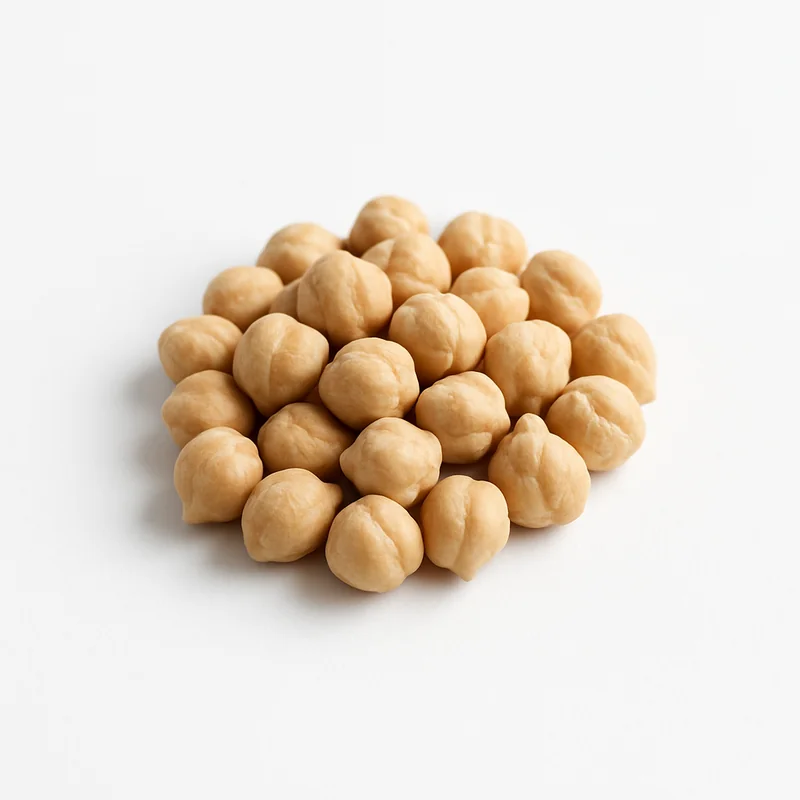
Chickpea
ScoreA+
Chickpeas are nutrient-dense legumes providing 21g of plant-based protein and 60g of complex carbohydrates per 100g, along with substantial amounts of fiber, iron, magnesium, and manganese. They are a cornerstone food for sustained energy and metabolic health.
Why Chickpea scores 94
% Daily Value per ½ cup (90 g)
Nutrition
per 100 g
Health benefits
Improved blood glucose control and reduced diabetes risk
strong evidenceLow glycemic index (GI ~28) combined with high fiber and resistant starch slows glucose absorption, minimizing blood sugar spikes and improving insulin sensitivity over time
Enhanced cardiovascular health and blood pressure regulation
strong evidenceHigh potassium-to-sodium ratio (122:1) supports vasodilation and reduces sodium retention; soluble fiber lowers LDL cholesterol; polyphenols reduce arterial inflammation
Improved gut microbiota diversity and metabolic endotoxemia reduction
moderate evidenceResistant starch and insoluble fiber feed beneficial bacteria (Faecalibacterium, Roseburia); increased butyrate production strengthens intestinal barrier and reduces lipopolysaccharide translocation
Support for muscle maintenance and protein synthesis in aging
moderate evidence21g/100g plant protein provides branched-chain amino acids and leucine (1.7g/100g), triggering mTOR-mediated muscle protein synthesis; high iron aids myoglobin formation
Bone health and fracture risk reduction
moderate evidenceManganese (3.58mg/100g) activates osteoblasts and collagen cross-linking; magnesium (135mg/100g) regulates bone mineral density; polyphenols inhibit osteoclast activity
Pairs well with
- ·Pair with turmeric and black pepper because curcumin absorption increases 2000% with piperine, and both spices enhance the anti-inflammatory polyphenol effects of chickpeas
- ·Combine with vitamin C sources (tomatoes, lemon, spinach) because ascorbic acid enhances non-heme iron bioavailability by 3-4 fold, critical for plant-based iron absorption
- ·Pair with olive oil because fat-soluble polyphenols (catechin, epicatechin) require lipid vehicles for optimal intestinal absorption and transport
- ·Combine with whole grains (quinoa, brown rice) because together they provide a complete amino acid profile with optimal leucine-to-isoleucine ratio for muscle protein synthesis
Practical tips
- ·Best timing: midday
- ·Soak dried chickpeas 12-24 hours before cooking and discard soaking water to reduce phytic acid (an iron/mineral chelator) by up to 54%, improving micronutrient bioavailability
- ·Cook until completely tender (45-60 minutes) and allow to cool to room temperature or refrigerate 12+ hours to maximize resistant starch formation, which resists digestion and feeds beneficial gut bacteria
- ·Store cooked chickpeas in airtight containers for up to 5 days; freeze for up to 3 months. Canned chickpeas (without added sodium) are convenient alternatives with 90% of whole food nutrient density
- ·Consume 150-200g cooked chickpeas (approximately 1 cup) 3-4 times weekly as part of a Mediterranean or plant-forward dietary pattern for optimal longevity benefits
- ·If experiencing digestive discomfort, introduce gradually (start with 75g), ensure adequate hydration (30ml water per gram of fiber), and pair with cooked vegetables and herbs like ginger or fennel to support digestion
Related foods
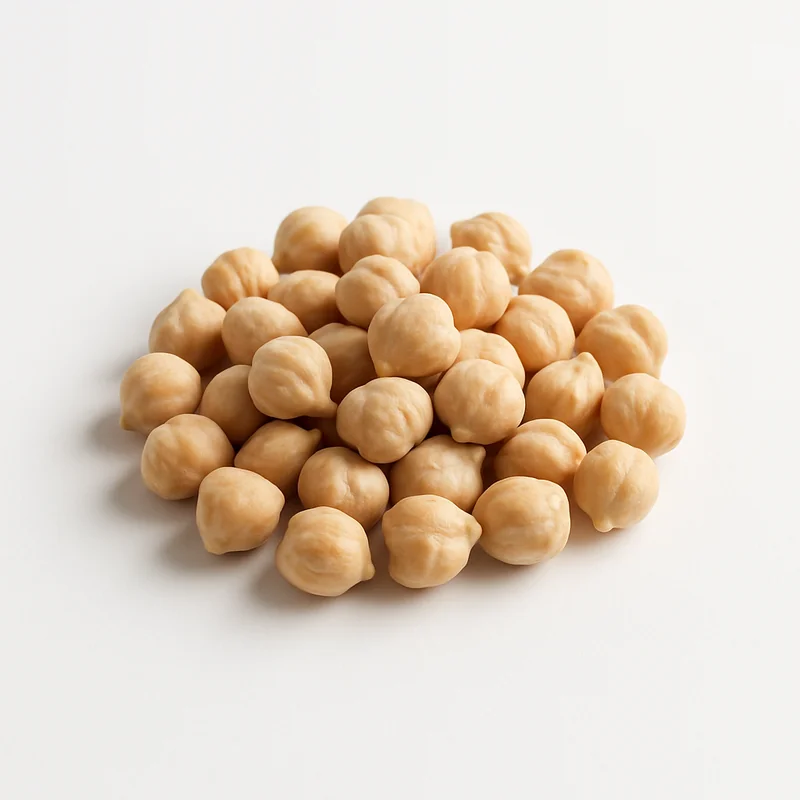
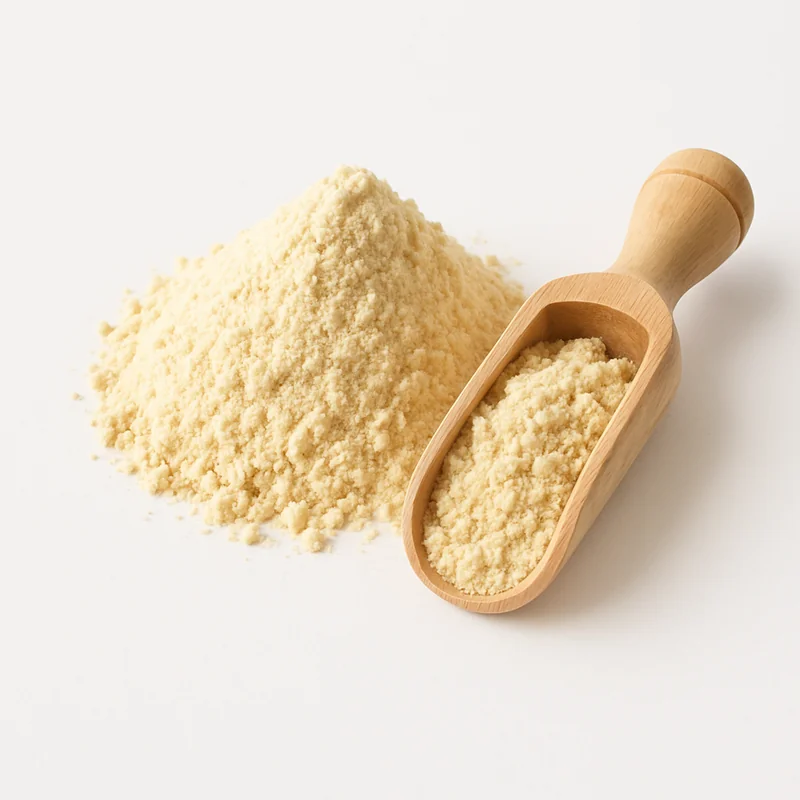
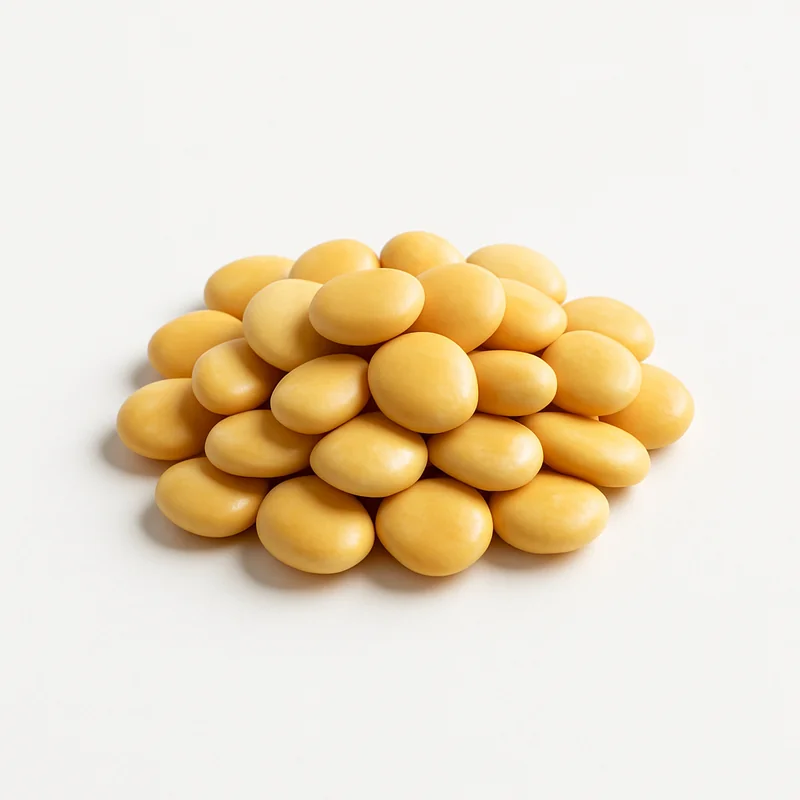
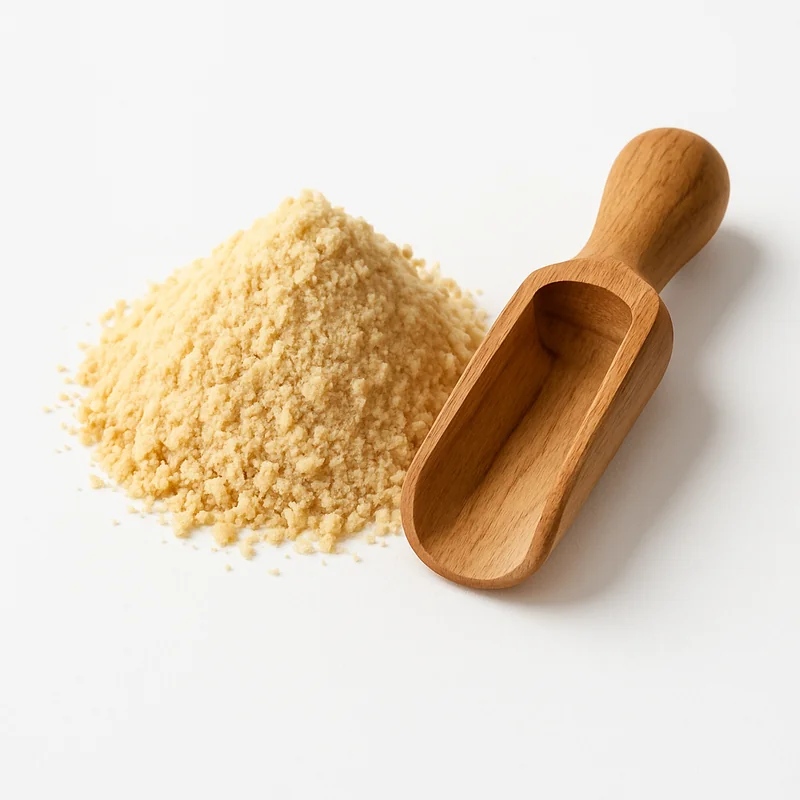
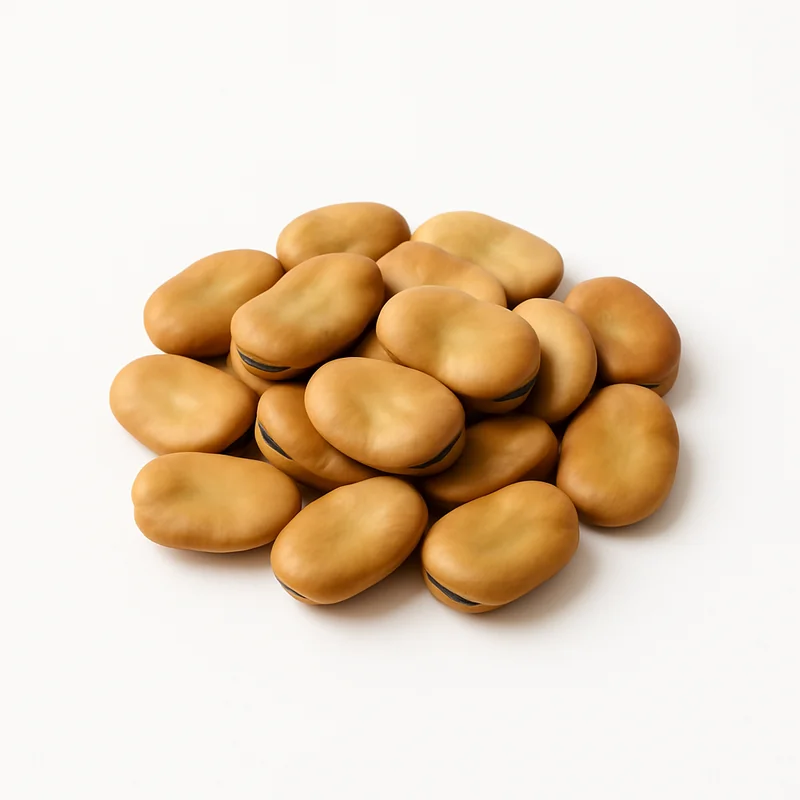
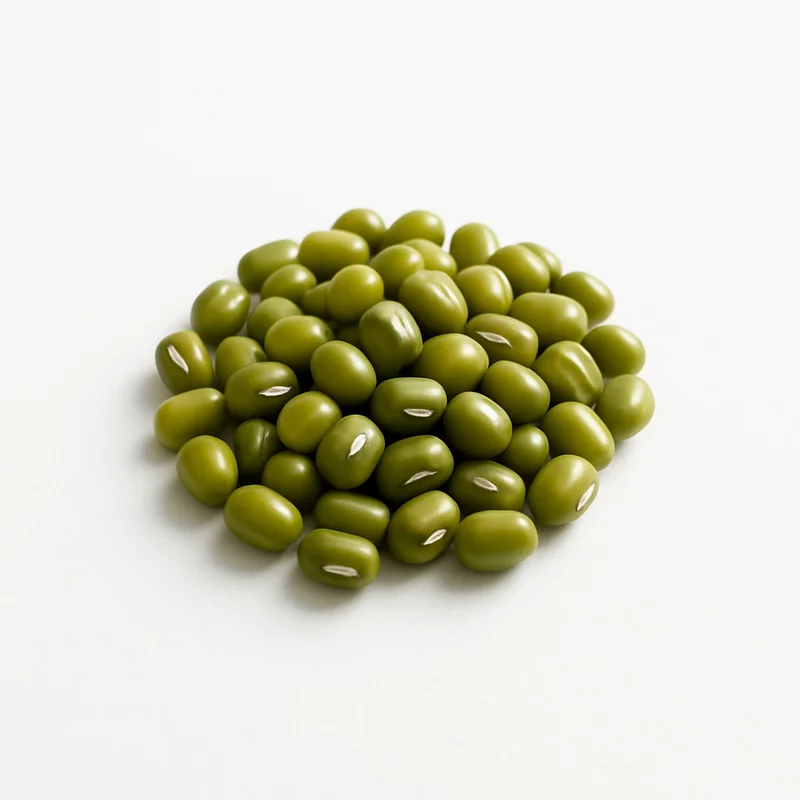
What is Chickpea actually covering?
See which nutrients your diet already delivers and which ones your supplements still need to — food and pills measured on the same scale.
Check my nutrients2 questions · free · no account needed to start
Also on iPhone — get the free app
Evidence-based supplement guides, no spam
We send a short digest when new guides drop — nothing else. No affiliate pushes, no sponsored content, unsubscribe anytime.