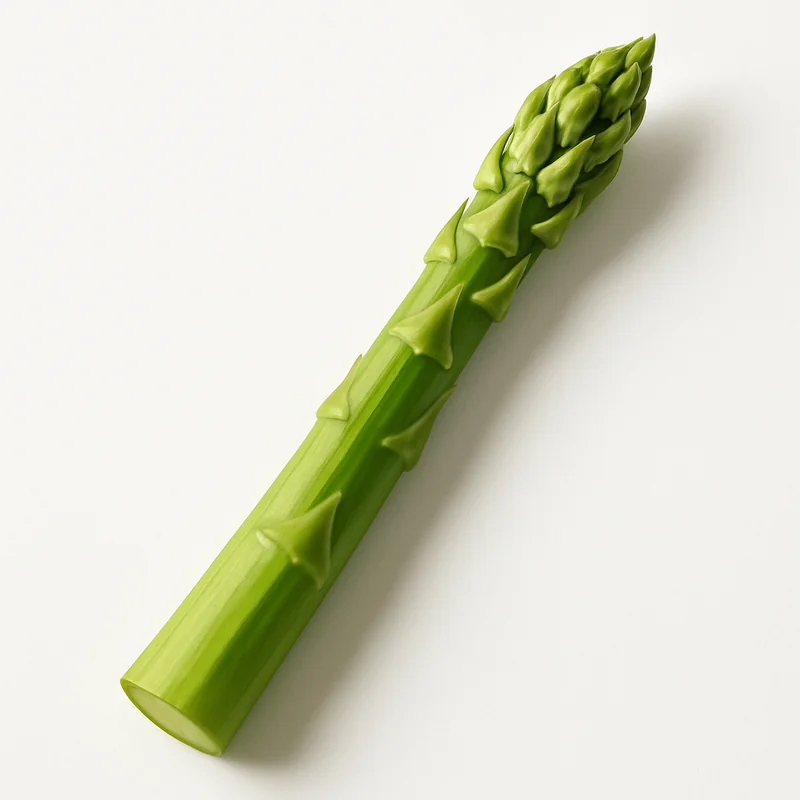
Asparagus
ScoreA+
Asparagus is a nutrient-dense cruciferous vegetable exceptionally rich in folate, vitamin K, and glutathione, a master antioxidant with minimal calories and strong fiber content for digestive health.
Why Asparagus scores 96
% Daily Value per ½ cup (85 g)
Nutrition
per 100 g
Health benefits
Enhanced DNA methylation and cellular repair through folate and one-carbon metabolism support
strong evidenceFolate (149 mcg per 100g) and glutathione work synergistically to support methylation reactions essential for gene expression, DNA repair, and protection against age-related mutations. Glutathione also recycles other antioxidants and supports Phase 2 liver detoxification.
Improved bone density and arterial health via vitamin K-dependent protein activation
strong evidenceVitamin K (50.6 mcg per 100g) activates osteocalcin (bone mineralization) and matrix Gla protein (prevents arterial calcification), directly supporting skeletal integrity and cardiovascular function during aging.
Enhanced gut microbiome diversity and short-chain fatty acid production
moderate evidenceInulin (a prebiotic fiber) reaches the colon and selectively feeds Bifidobacterium and Faecalibacterium species, increasing butyrate production which strengthens the intestinal barrier and reduces systemic inflammation.
Reduced homocysteine levels and improved vascular endothelial function
moderate evidenceHigh folate and B vitamins (especially B6 and B9) lower homocysteine, a pro-inflammatory marker linked to cardiovascular aging. Asparagus polyphenols also enhance nitric oxide bioavailability for improved vasodilation.
Anti-inflammatory and antioxidant effects through glutathione and saponins
moderate evidenceGlutathione is directly absorbed in the small intestine (especially when asparagus is lightly cooked) and provides intracellular antioxidant defense. Saponins modulate immune signaling and reduce NF-κB activation.
Pairs well with
- ·Pair with olive oil because fat enhances absorption of fat-soluble vitamin K and increases glutathione retention; cooking at moderate temperatures (steaming) preserves these compounds better than high-heat sautéing.
- ·Pair with lemon juice or citrus because vitamin C enhances folate stability and bioavailability while supporting iron absorption if consumed with any iron-containing foods.
- ·Pair with garlic or onions because organosulfur compounds (allicin, quercetin) synergize with glutathione and saponins to amplify anti-inflammatory and detoxification pathways.
- ·Pair with eggs because choline in egg yolks enhances folate metabolism and supports the one-carbon cycle for optimal methylation capacity.
- ·Pair with fermented foods (kimchi, sauerkraut, tempeh) because beneficial bacteria improve the bioavailability of folate and support conversion of plant compounds into bioactive metabolites.
Practical tips
- ·Best timing: Asparagus has no circadian constraints and benefits from consistent daily or near-daily consumption (3-5 servings weekly) to maintain steady folate repletion and support continuous glutathione recycling. The prebiotic inulin is processed continuously by the microbiome, making morning or midday consumption optimal for sustained SCFA production throughout the day.
- ·Store fresh asparagus upright in 1-2 inches of water in the refrigerator, covered loosely with plastic. This method maintains hydration and extends shelf life to 7-10 days, preserving inulin and glutathione content better than horizontal storage.
- ·Lightly steam asparagus for 4-6 minutes (until tender-crisp) rather than boiling or roasting at high heat. Steaming preserves glutathione and water-soluble B vitamins while maintaining structural integrity for optimal nutrient delivery.
- ·Select firm, bright-green spears with closed tips and minimal white (woody) base. Thinner spears tend to have higher folate concentration relative to fiber, while thicker spears offer more glutathione per serving.
- ·Consume the entire spear including the tender base after blanching and cooling; discard only the woody 1-2 inches. The lower portions contain concentrated phytonutrients.
- ·Prioritize spring asparagus (March-May in Northern Hemisphere) as studies show 15-20% higher glutathione and polyphenol content compared to greenhouse-grown winter varieties.
Related foods
What is Asparagus actually covering?
See which nutrients your diet already delivers and which ones your supplements still need to — food and pills measured on the same scale.
Check my nutrients2 questions · free · no account needed to start
Also on iPhone — get the free app
Evidence-based supplement guides, no spam
We send a short digest when new guides drop — nothing else. No affiliate pushes, no sponsored content, unsubscribe anytime.