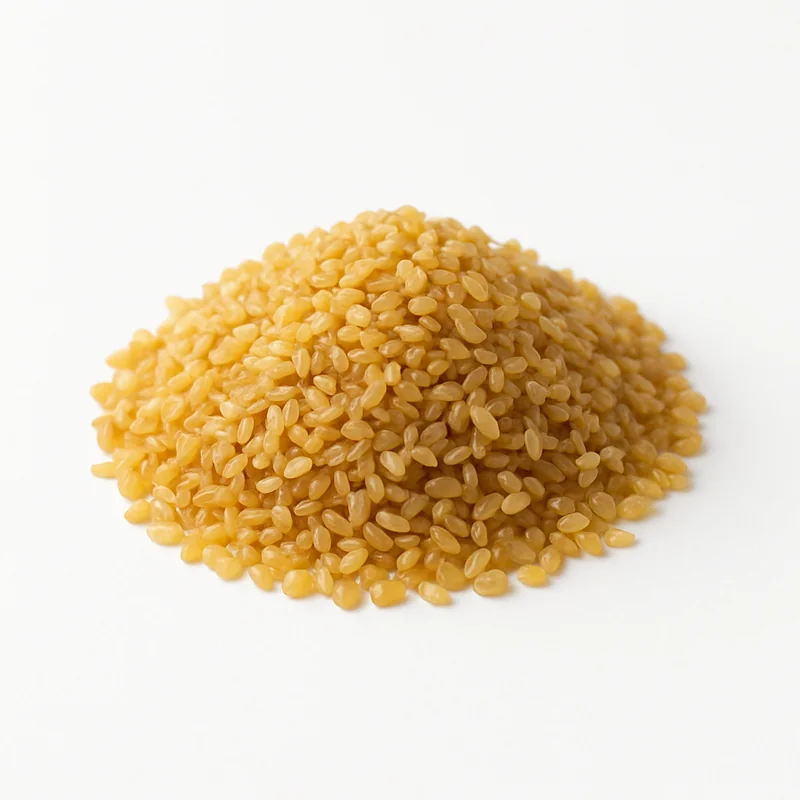
Bulgur
ScoreA
Bulgur is a whole grain made from cracked wheat that has been parboiled and dried, offering exceptional fiber content and plant-based protein in a minimally processed form.
Why Bulgur scores 79
% Daily Value per ½ cup (50 g)
Nutrition
per 100 g
Health benefits
Supports cardiovascular health through cholesterol and blood pressure regulation
strong evidenceHigh soluble fiber content binds bile acids and reduces LDL cholesterol absorption; magnesium and potassium support healthy vascular function and blood pressure regulation
Promotes stable blood glucose and reduces type 2 diabetes risk
strong evidenceWhole grain structure and high fiber slow glucose absorption, reducing postprandial blood glucose spikes and improving insulin sensitivity
Enhances digestive health and supports beneficial gut microbiota
moderate evidenceInsoluble and soluble fiber serve as prebiotic substrates, feeding short-chain fatty acid-producing bacteria that strengthen intestinal barrier function
Supports bone health and mineral density
moderate evidenceHigh manganese and magnesium content are essential cofactors in bone matrix formation and mineralization; phosphorus and calcium directly contribute to skeletal structure
Reduces chronic inflammation markers
moderate evidencePolyphenols and phenolic acids in whole wheat exert antioxidant effects; improved glycemic control reduces inflammation cascades
Pairs well with
- ·Pair with legumes (lentils, chickpeas) because both are incomplete proteins that together provide all nine essential amino acids, creating a complete protein suitable for longevity-focused plant-based diets
- ·Combine with olive oil and fresh herbs (parsley, mint) because fat-soluble vitamin absorption improves with dietary fat, and herbs provide additional polyphenols and antioxidants
- ·Mix with tomatoes and cucumber because the lycopene and vitamin C in tomatoes enhance iron bioavailability from bulgur, while the fresh vegetables add phytonutrients
- ·Pair with fermented foods like yogurt or kefir because beneficial probiotics enhance mineral absorption and support the prebiotic benefits of bulgur's fiber
Practical tips
- ·Best timing: midday
- ·Rehydrate bulgur with hot water or broth (1:2 ratio) for 15-20 minutes rather than cooking to preserve heat-sensitive micronutrients; cracked varieties require less time than whole grain
- ·Store in an airtight container in a cool, dry place for up to one year; keep cooked bulgur refrigerated for up to five days to prevent microbial growth
- ·Purchase bulk bulgur from sources with high turnover to ensure freshness and minimize oxidation of unsaturated fats; check for uniform color and absence of debris
- ·Soak whole grain bulgur for extended periods (30+ minutes) in cold water if you have high tannin sensitivity, as tannins can inhibit mineral absorption in some individuals
Related foods
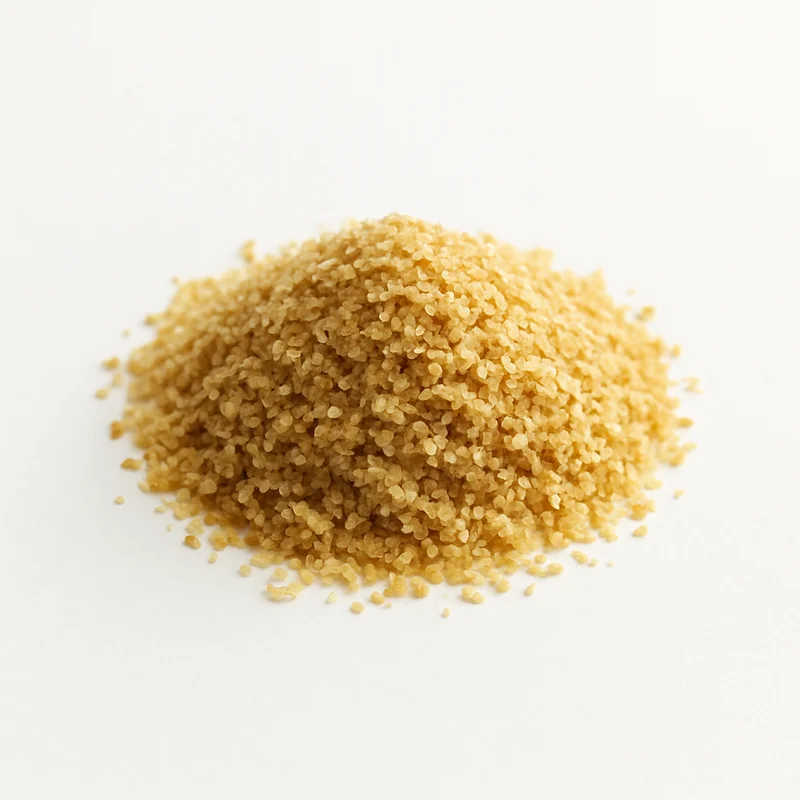
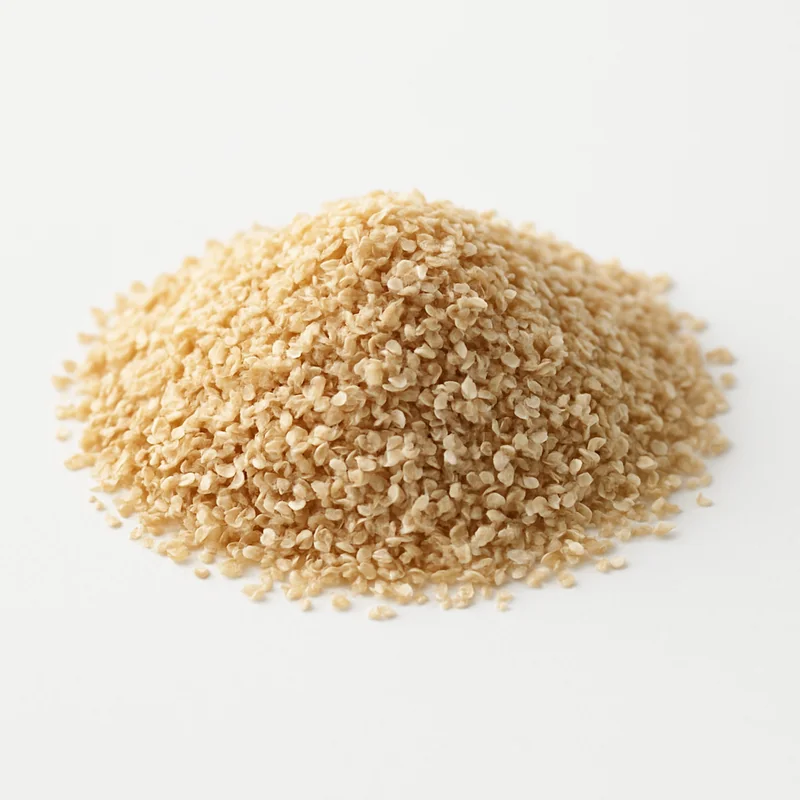
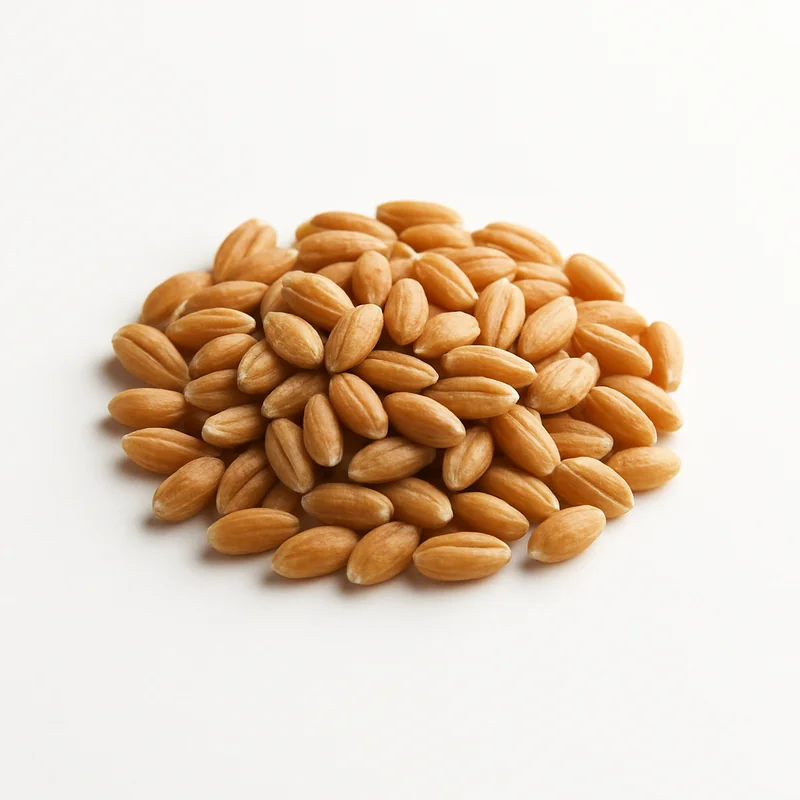
What is Bulgur actually covering?
See which nutrients your diet already delivers and which ones your supplements still need to — food and pills measured on the same scale.
Check my nutrients2 questions · free · no account needed to start
Also on iPhone — get the free app
Evidence-based supplement guides, no spam
We send a short digest when new guides drop — nothing else. No affiliate pushes, no sponsored content, unsubscribe anytime.