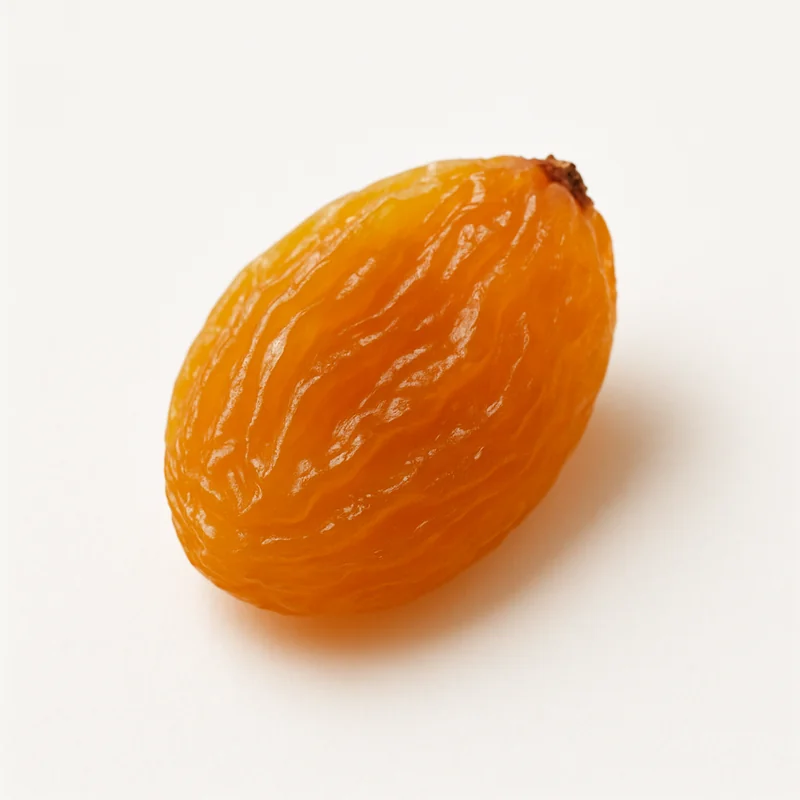
Raisin
ScoreC
Raisins are dried grapes concentrated in natural sugars, fiber, and polyphenols, providing sustained energy and bioactive compounds linked to cardiovascular and digestive health.
Why Raisin scores 55
% Daily Value per a handful (40 g)
Nutrition
per 100 g
Health benefits
Improved cardiovascular function and blood pressure regulation
moderate evidencePolyphenols and potassium work synergistically to reduce vascular inflammation, improve endothelial function, and support healthy blood pressure through increased nitric oxide availability and reduced arterial stiffness
Enhanced digestive regularity and gut health
moderate evidenceInsoluble fiber content stimulates peristalsis and increases stool bulk, while polyphenols act as prebiotics, feeding beneficial bacteria and supporting microbial diversity
Antioxidant and anti-inflammatory protection
strong evidenceResveratrol, catechins, and proanthocyanidins neutralize free radicals and suppress inflammatory pathways (NF-κB signaling), reducing oxidative stress-related cellular damage
Improved bone mineral density and skeletal health
moderate evidenceBoron content enhances calcium absorption and magnesium bioavailability, while polyphenols stimulate osteoblast activity and inhibit osteoclast-mediated bone resorption
Enhanced satiety and potential metabolic support
emerging evidenceSoluble fiber and natural sugars trigger GLP-1 and peptide YY secretion, promoting fullness signals and potentially improving glucose homeostasis when consumed with protein or fat
Pairs well with
- ·Pair with almonds or walnuts because the fat slows raisin sugar absorption, reducing glycemic impact while enhancing polyphenol absorption through lipid-mediated transport
- ·Combine with Greek yogurt or cottage cheese because protein synergizes with raisin carbohydrates to stabilize blood sugar, improve amino acid absorption, and enhance satiety
- ·Mix with oatmeal because the soluble oat beta-glucans bind with raisin polyphenols, enhancing cholesterol reduction and creating a sustained energy release
- ·Pair with cinnamon because cinnamaldehyde enhances insulin sensitivity and works additively with raisin polyphenols to improve glucose regulation
Practical tips
- ·Best timing: post-workout
- ·Store raisins in an airtight container in a cool, dark place or refrigerator to preserve polyphenol content and prevent oxidation; avoid direct sunlight which degrades bioactive compounds
- ·Soak raisins in water for 30 minutes before eating to rehydrate them and increase bioavailability of polyphenols, or consume with beverages to enhance absorption
- ·Measure portions using a small handful (about 40g) rather than eating directly from the bag to maintain awareness of caloric intake; raisins are energy-dense at 301 kcal/100g
- ·Choose organic, unsulfited raisins when possible to minimize processing additives, though sulfites themselves are safe; avoid varieties with added oils or sugars
- ·Consume raisins with meals containing fat or protein rather than alone to moderate blood sugar response and improve satiety, particularly beneficial for metabolic health
Related foods
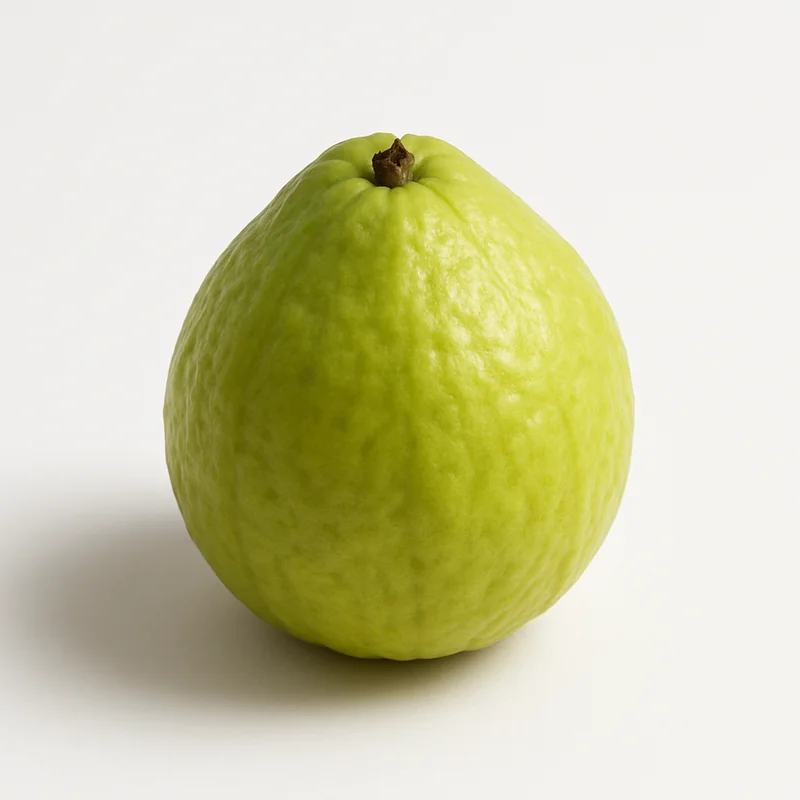

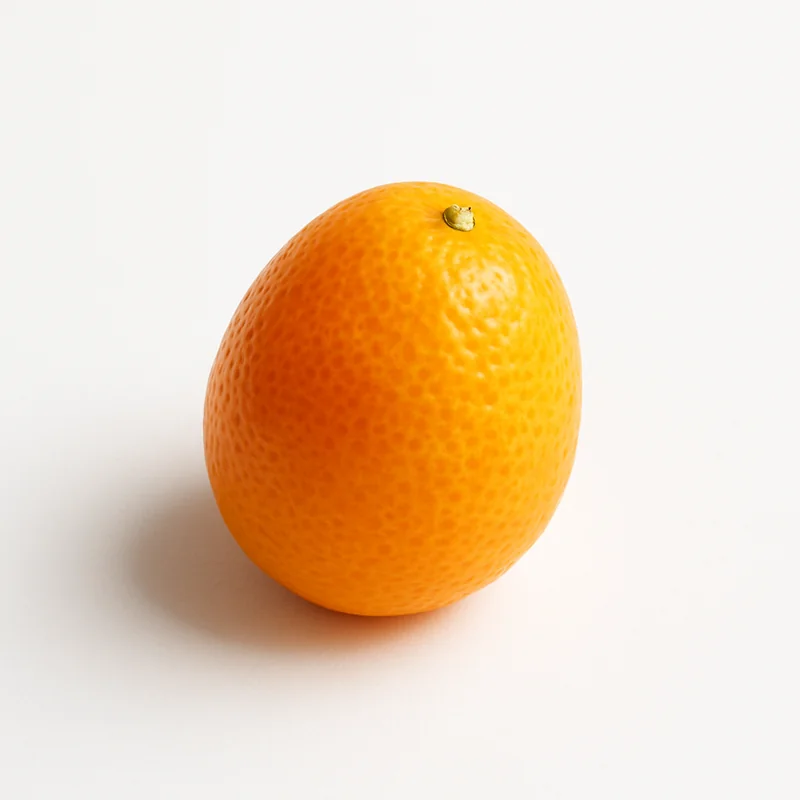

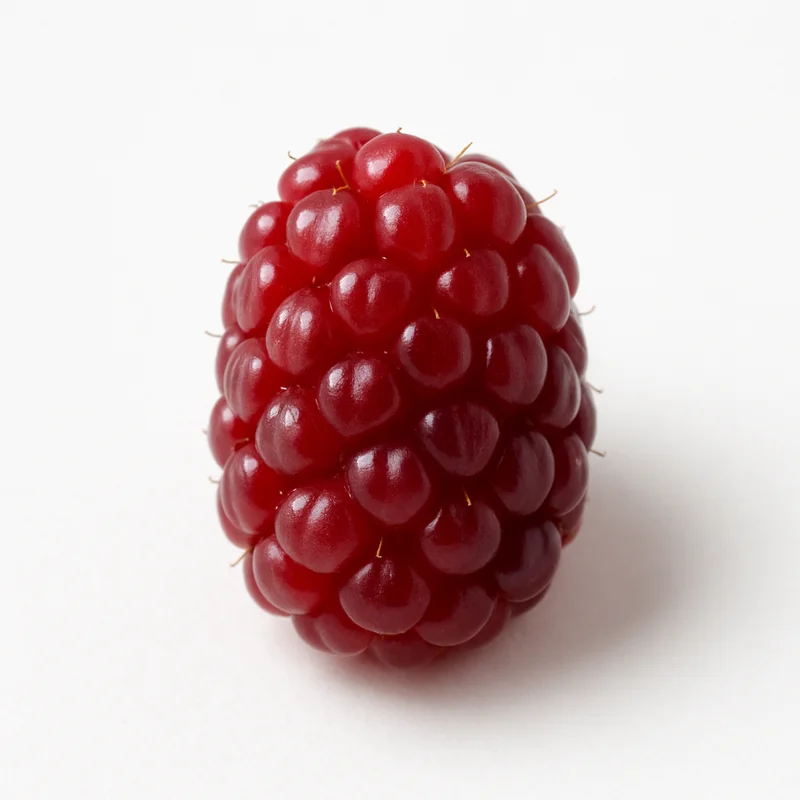
What is Raisin actually covering?
See which nutrients your diet already delivers and which ones your supplements still need to — food and pills measured on the same scale.
Check my nutrients2 questions · free · no account needed to start
Also on iPhone — get the free app
Evidence-based supplement guides, no spam
We send a short digest when new guides drop — nothing else. No affiliate pushes, no sponsored content, unsubscribe anytime.