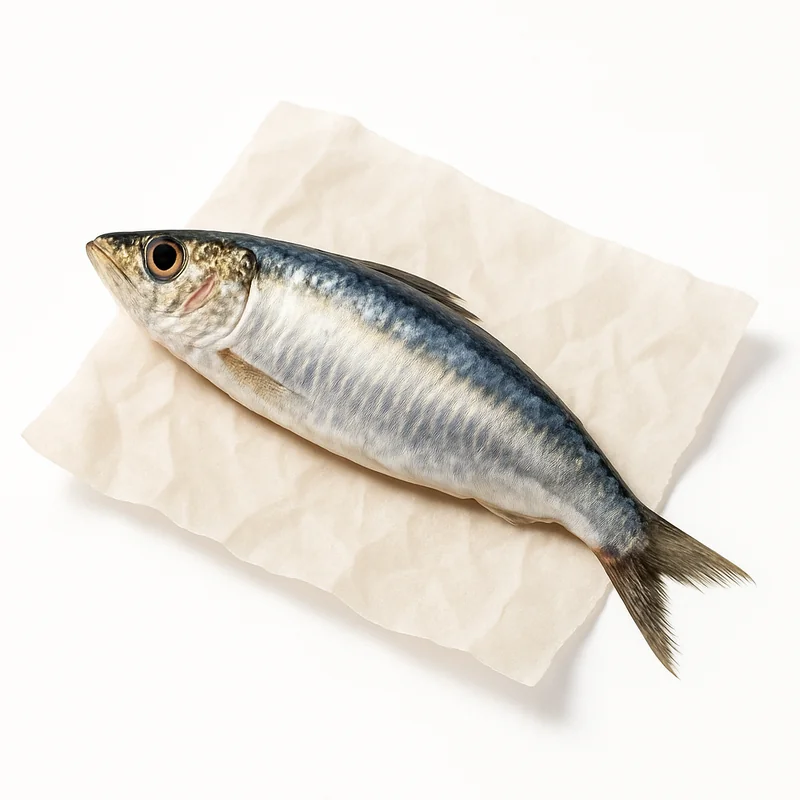
Sardines
ScoreA+
Sardines are small, nutrient-dense fatty fish exceptionally rich in omega-3 fatty acids, vitamin D, and bioavailable calcium, making them one of the most longevity-supporting seafood options available.
Why Sardines scores 97
% Daily Value per 3 oz (85 g)
Nutrition
per 100 g
Health benefits
Cardiovascular disease prevention and improved lipid profiles
strong evidenceEPA and DHA omega-3 fatty acids reduce triglycerides, lower blood pressure, decrease arterial inflammation, and reduce thrombotic risk through anti-platelet mechanisms
Cognitive function preservation and dementia risk reduction
moderate evidenceOmega-3 fatty acids are structural components of neuronal membranes; DHA specifically supports synaptic plasticity and reduces neuroinflammation associated with cognitive decline
Bone health and fracture risk reduction in aging
strong evidenceBioavailable calcium, phosphorus, and vitamin D work synergistically to maintain bone mineral density and optimize calcium absorption in the intestine
Reduced systemic inflammation and oxidative stress
moderate evidenceAstaxanthin and selenium provide antioxidant protection; omega-3s suppress pro-inflammatory cytokine production, supporting healthy aging trajectories
Muscle mass preservation (sarcopenia prevention)
moderate evidenceComplete protein with all essential amino acids (including leucine) stimulates mTOR pathway and muscle protein synthesis, critical for maintaining lean mass with aging
Pairs well with
- ·Pair with leafy greens (spinach, kale) because their vitamin K works synergistically with sardine calcium and vitamin D to activate bone-building proteins (osteocalcin)
- ·Combine with tomatoes because lycopene's antioxidant properties complement astaxanthin and selenium, amplifying anti-inflammatory effects
- ·Eat with lemon or citrus because vitamin C enhances non-heme iron absorption from sardines and preserves omega-3 stability from oxidation
- ·Serve with olive oil because its polyphenols (oleuropein, oleocanthal) enhance omega-3 bioavailability and add independent anti-inflammatory benefits
Practical tips
- ·Best timing: Sardines are nutrient-dense without being high in calories, making them suitable for any meal. Consuming with lunch or dinner optimizes fat-soluble vitamin (D, A, E) absorption when dietary fat is present. No specific timing advantages for longevity outcomes.
- ·Select canned sardines packed in water or olive oil (avoid soybean oil); drain and rinse to reduce sodium if hypertension-sensitive, though mineral content remains high
- ·Consume bones entirely—they contain 99% of the bioavailable calcium; softer bones in smaller sardines are easier to consume whole
- ·Store opened cans in the refrigerator in an airtight glass container for up to 2 days; fresh sardines should be consumed within 1-2 days or frozen immediately
- ·Aim for wild-caught over farmed when possible for superior omega-3 ratios and lower contaminant load, though farmed sardines remain nutritionally excellent
- ·Consume 2-3 times weekly (100-150g portions) to meet omega-3 targets without excessive vitamin A accumulation; sardines are naturally sustainable due to short lifespans
Related foods
What is Sardines actually covering?
See which nutrients your diet already delivers and which ones your supplements still need to — food and pills measured on the same scale.
Check my nutrients2 questions · free · no account needed to start
Also on iPhone — get the free app
Evidence-based supplement guides, no spam
We send a short digest when new guides drop — nothing else. No affiliate pushes, no sponsored content, unsubscribe anytime.