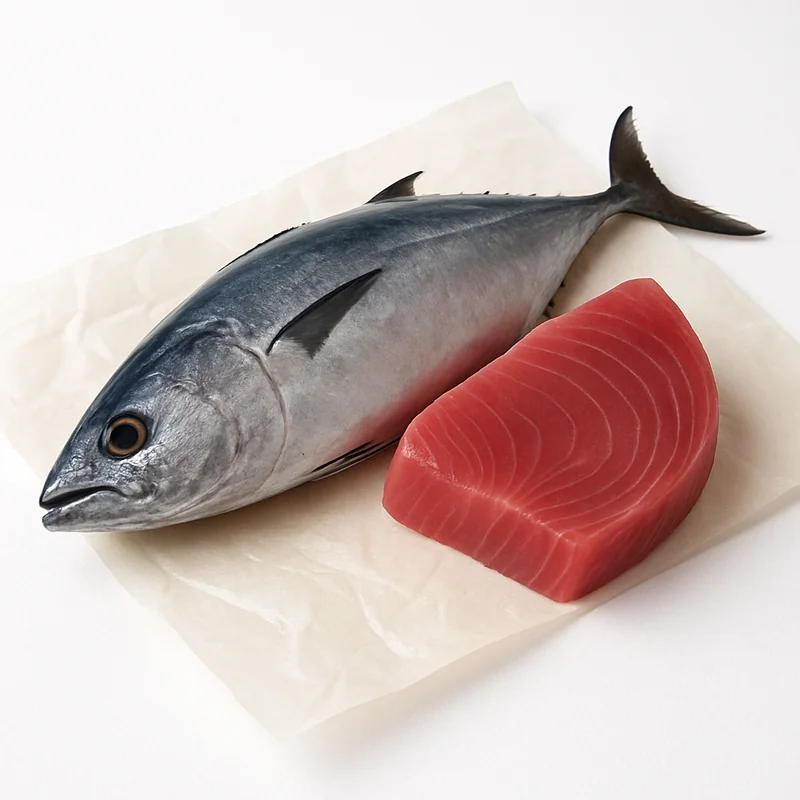
Tuna
ScoreA
Tuna is a lean, protein-dense seafood rich in omega-3 fatty acids, selenium, and B vitamins, making it a cornerstone food for cardiovascular and cognitive health.
Why Tuna scores 83
% Daily Value per 3 oz (85 g)
Nutrition
per 100 g
Health benefits
Supports cardiovascular health and reduces atherosclerosis risk
strong evidenceEPA and DHA in tuna reduce triglycerides, lower blood pressure, and decrease platelet aggregation, while selenium acts as a cofactor for glutathione peroxidase, protecting vessel endothelium from oxidative damage
Enhances cognitive function and supports neuroprotection
strong evidenceDHA comprises ~10% of brain phospholipid membranes and modulates neuroinflammation; selenium protects against neuronal oxidative stress and supports mood regulation through antioxidant pathways
Optimizes protein synthesis and muscle retention with aging
strong evidenceComplete amino acid profile with high leucine content activates mTOR signaling; high protein density with minimal calories supports sarcopenia prevention
Reduces systemic inflammation and oxidative stress
moderate evidenceOmega-3 fatty acids suppress pro-inflammatory cytokines (TNF-α, IL-6); selenium and niacin boost endogenous antioxidant enzyme systems
Supports thyroid function and metabolic regulation
moderate evidenceSelenium is essential for thyroid peroxidase and glutathione peroxidase, protecting thyroid tissue; adequate iodine-rich seafood consumption maintains TSH homeostasis
Pairs well with
- ·Pair with leafy greens (spinach, kale) because their vitamin K and chlorophyll enhance omega-3 absorption and amplify anti-inflammatory signaling
- ·Combine with selenium-free carbs (sweet potato, brown rice) because resistant starch feeds beneficial gut bacteria that improve bioavailability of B vitamins
- ·Serve with tomatoes or bell peppers because their lycopene and vitamin C reduce mercury bioavailability and boost collagen synthesis via vitamin C synergy
- ·Add turmeric or ginger because curcumin and gingerol potentiate tuna's anti-inflammatory effects through NF-κB pathway inhibition
Practical tips
- ·Best timing: midday
- ·Choose skipjack or canned light tuna over albacore/yellowfin to reduce mercury exposure while maintaining omega-3 benefits; limit to 2-3 servings weekly for adults
- ·Store fresh tuna at 32°F immediately after purchase; use within 1-2 days to prevent histamine formation (scombroid poisoning risk)
- ·Pair canned tuna with olive oil (not water-packed) to improve omega-3 absorption via fat-soluble vitamin mechanism and enhance satiety
- ·Consume tuna in combination with antioxidant-rich foods; this reduces oxidative stress from tuna's polyunsaturated fats during digestion
- ·If using canned tuna, rinse with fresh water to reduce sodium content by ~40%, critical for blood pressure management in sodium-sensitive individuals
Related foods
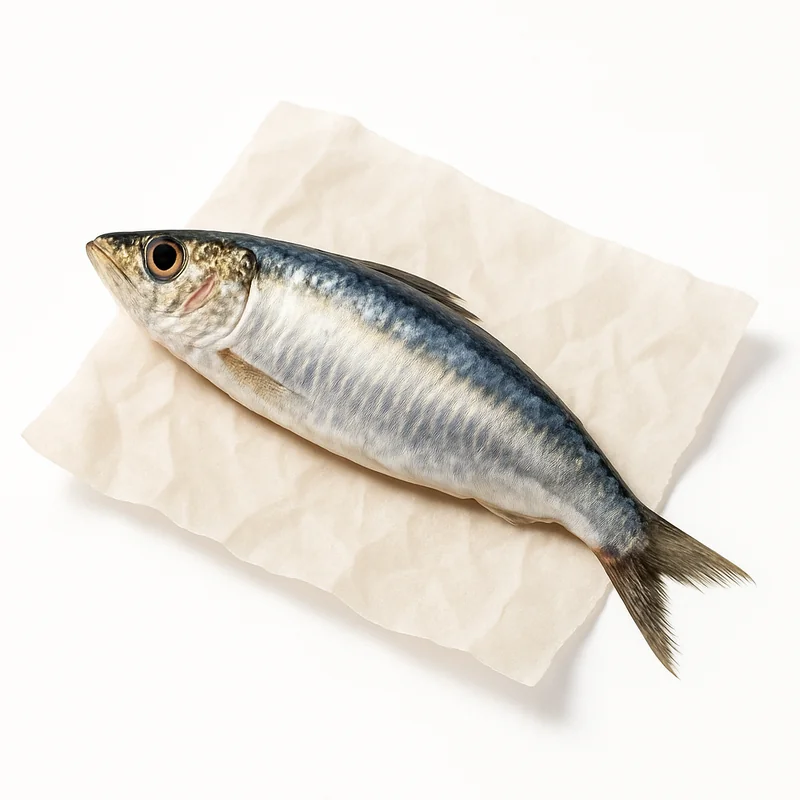
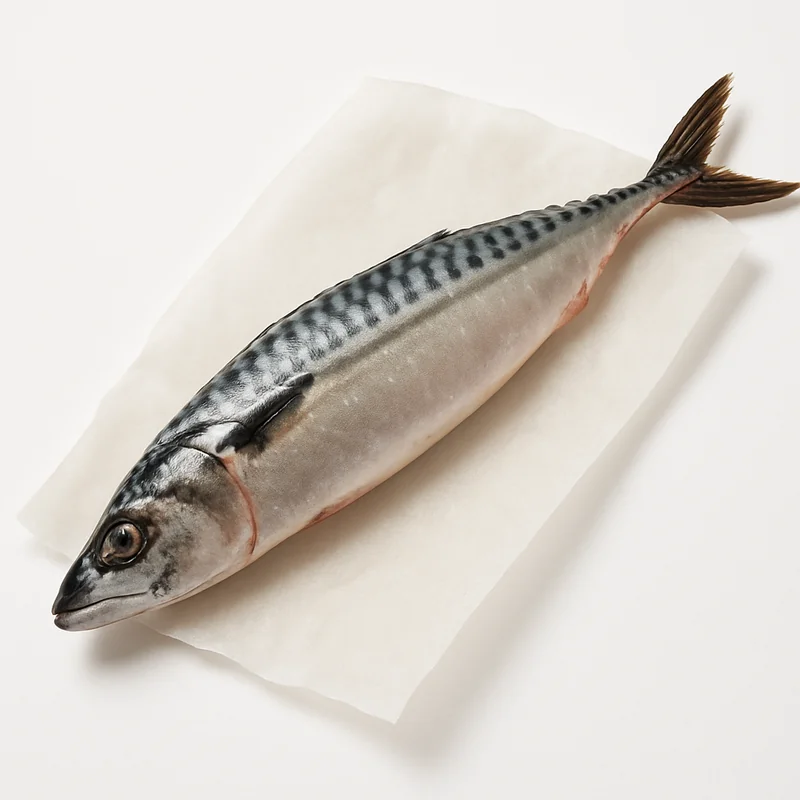
What is Tuna actually covering?
See which nutrients your diet already delivers and which ones your supplements still need to — food and pills measured on the same scale.
Check my nutrients2 questions · free · no account needed to start
Also on iPhone — get the free app
Evidence-based supplement guides, no spam
We send a short digest when new guides drop — nothing else. No affiliate pushes, no sponsored content, unsubscribe anytime.