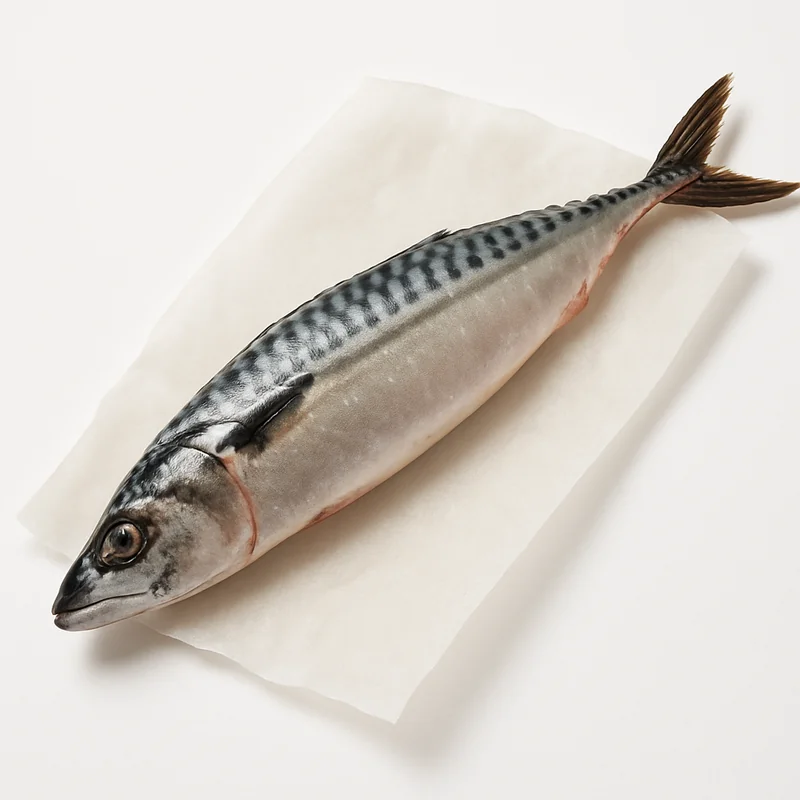
Mackerel
ScoreA+
Mackerel is a nutrient-dense oily fish exceptionally rich in omega-3 fatty acids and vitamin B12, making it one of the most bioavailable sources of marine nutrients for cardiovascular and cognitive health.
Why Mackerel scores 93
% Daily Value per 3 oz (85 g)
Nutrition
per 100 g
Health benefits
Reduces cardiovascular disease risk and supports healthy blood pressure
strong evidenceEPA and DHA omega-3 fatty acids reduce triglycerides, improve endothelial function, lower inflammation, and inhibit clot formation through antiplatelet effects
Supports cognitive function and may reduce neurodegenerative disease risk
moderate evidenceDHA accumulates in brain tissue and supports neuronal membrane integrity, synaptic plasticity, and reduction of neuroinflammation
Enhances red blood cell formation and prevents pernicious anemia
strong evidenceExceptional vitamin B12 content (19mcg per 100g) supports methylation cycles, DNA synthesis, and myelin formation in the nervous system
Supports immune function and reduces systemic inflammation
moderate evidenceAstaxanthin and selenium work synergistically to enhance antioxidant defenses, suppress pro-inflammatory cytokines, and support T-cell function
Promotes bone health and calcium absorption
moderate evidenceVitamin D facilitates intestinal calcium absorption and regulates parathyroid hormone; phosphorus and protein support bone matrix formation
Pairs well with
- ·Pair with lemon or lime because citric acid enhances iron and mineral bioavailability from the fish and supports collagen synthesis
- ·Combine with leafy greens (spinach, kale) because vitamin K in greens synergizes with vitamin D and calcium for bone metabolism and vascular health
- ·Serve with sweet potato or asparagus because their polyphenols enhance astaxanthin absorption and provide prebiotic fiber for gut microbiota supporting omega-3 metabolism
- ·Pair with garlic or onions because their allicin and quercetin compounds provide additive anti-inflammatory and cardiovascular benefits
Practical tips
- ·Best timing: Mackerel can be consumed at any meal; morning consumption supports sustained energy and cognitive function via B12 and protein; evening consumption may improve sleep quality through omega-3 support of melatonin synthesis. No specific timing advantage, but pair with meals containing fat-soluble vitamin sources for optimal absorption.
- ·Choose wild-caught Atlantic or Pacific mackerel over farmed varieties; wild mackerel have higher omega-3 density and lower contaminant risk due to shorter lifespans and natural diets
- ·Consume 2-3 times weekly (150-200g portions) to meet omega-3 recommendations while managing mercury exposure; mackerel's smaller size makes it safer than larger fish like swordfish
- ·Store fresh mackerel on ice and use within 1-2 days; freeze in parchment paper with the purchase date to preserve omega-3 integrity for up to 3 months
- ·Eat the skin when grilled or baked—it contains astaxanthin and selenium concentrated in surface tissues; avoid charring which damages heat-sensitive micronutrients
- ·If using canned mackerel, choose varieties packed in water or olive oil rather than soybean oil to optimize omega-3 to omega-6 ratios
Related foods
What is Mackerel actually covering?
See which nutrients your diet already delivers and which ones your supplements still need to — food and pills measured on the same scale.
Check my nutrients2 questions · free · no account needed to start
Also on iPhone — get the free app
Evidence-based supplement guides, no spam
We send a short digest when new guides drop — nothing else. No affiliate pushes, no sponsored content, unsubscribe anytime.