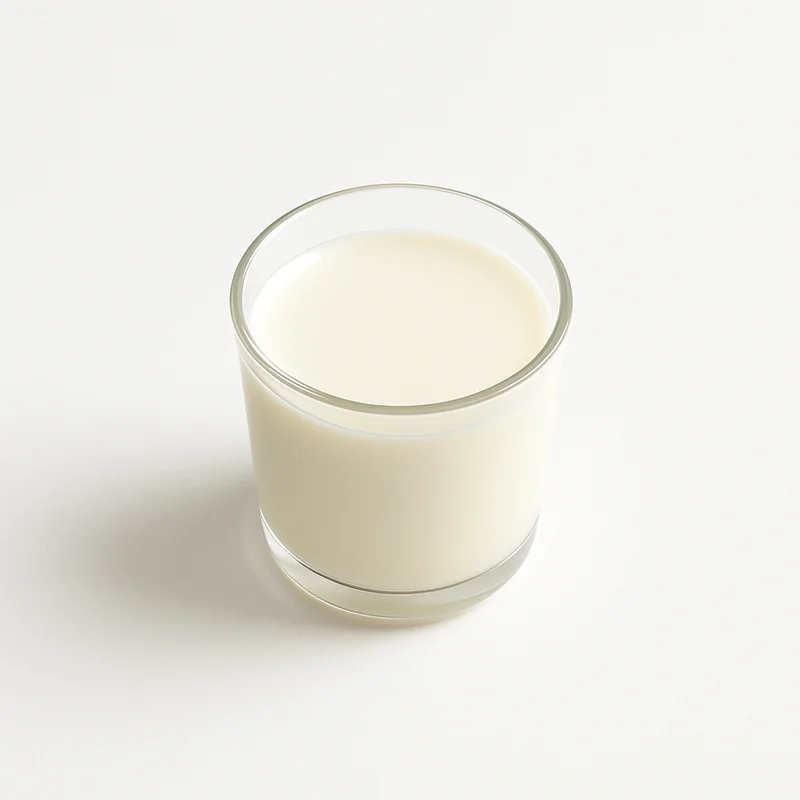
Milk
ScoreB
Milk is a nutrient-dense liquid from mammals containing high-quality protein, bioavailable calcium, and essential vitamins and minerals. It serves as a foundational source of bone-building nutrients and complete amino acids for longevity-focused nutrition.
Why Milk scores 65
% Daily Value per 1 cup (240 g)
Nutrition
per 100 g
Health benefits
Supports bone mineral density and fracture prevention
strong evidenceCalcium and phosphorus in milk are absorbed efficiently together, promoting hydroxyapatite formation in bone matrix. Vitamin D fortification enhances intestinal calcium absorption.
Promotes muscle protein synthesis and lean mass maintenance
strong evidenceMilk's complete amino acid profile, particularly leucine, activates mTOR signaling pathways necessary for muscle protein turnover. Whey protein fraction is especially rapid-acting.
Supports cardiovascular health and blood pressure regulation
moderate evidencePotassium content (253mg/100g) promotes vasodilation and sodium-potassium balance. Bioactive peptides from casein and whey may inhibit ACE enzyme activity.
Enhances satiety and supports metabolic health
moderate evidenceMilk protein increases cholecystokinin (CCK) and glucagon-like peptide-1 (GLP-1) secretion, promoting satiety signals. Associated with improved body composition in observational studies.
Provides choline for cognitive and liver health
moderate evidenceCholine (16mg/100g) is a precursor for acetylcholine neurotransmitter and phosphatidylcholine, supporting neuronal membrane integrity and methylation processes.
Pairs well with
- ·Pair with vitamin D-rich foods (fatty fish, egg yolks, mushrooms) to enhance calcium absorption efficiency through the vitamin D-calcium regulatory axis
- ·Combine with vitamin K2 sources (fermented cheeses, grass-fed butter, natto) to optimize bone mineralization and vascular health through osteocalcin activation
- ·Mix with berries to add polyphenols that reduce oxidative stress while milk's fat content enhances absorption of fat-soluble phenolic compounds
- ·Pair with whole grains containing phytic acid in moderation—phytates slightly reduce mineral absorption but milk's casein phosphopeptides help overcome this effect
Practical tips
- ·Best timing: post-workout
- ·Choose whole milk or 2% for better absorption of fat-soluble vitamins A, D, and K2, unless reducing saturated fat is a medical priority
- ·Select vitamin D-fortified milk in winter months or for those with limited sun exposure; aim for at least 600 IU per 8oz serving
- ·Consume milk within 7-10 days of opening; store at 40°F or below to preserve nutrient integrity and prevent bacterial overgrowth
- ·For lactose sensitivity, try lactase-treated milk, yogurt, or hard cheeses as alternatives that preserve nutrition while reducing digestive discomfort
- ·Consume 1-2 servings daily (8-16oz) as part of a varied diet rather than relying on milk as a sole calcium source; include leafy greens and legumes
Related foods
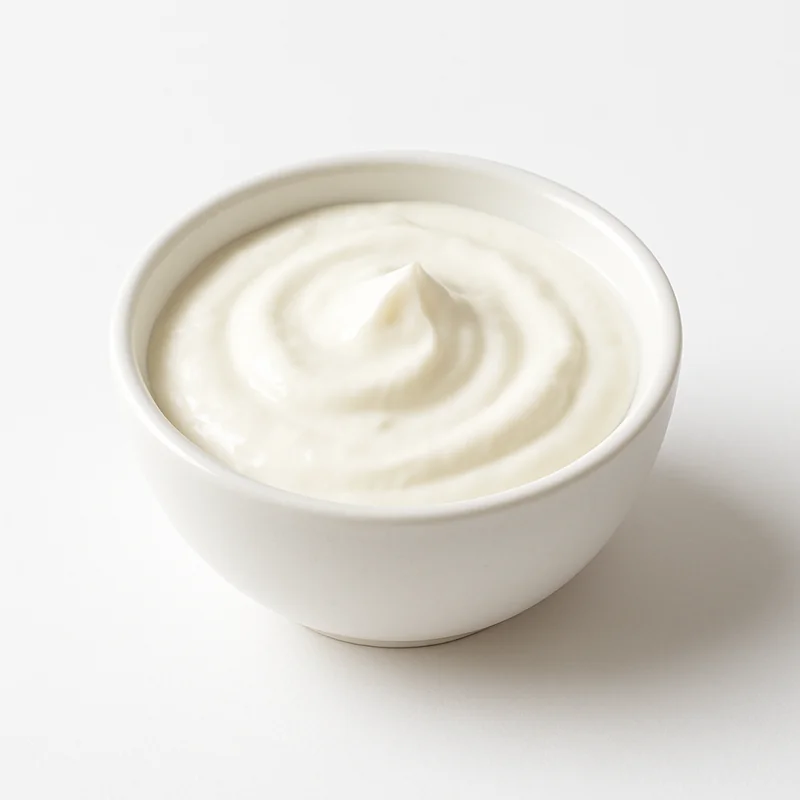
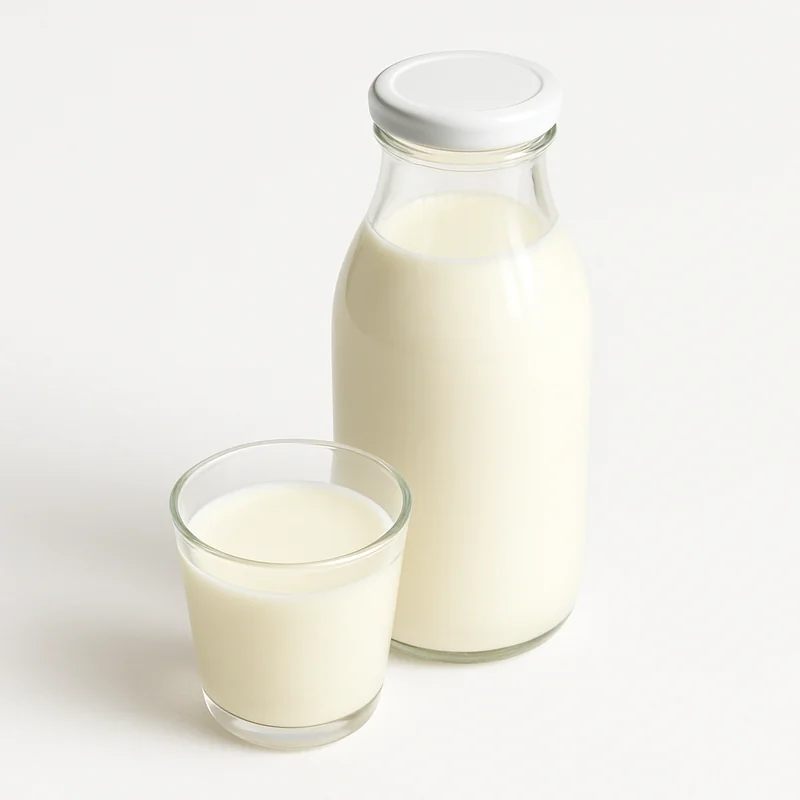
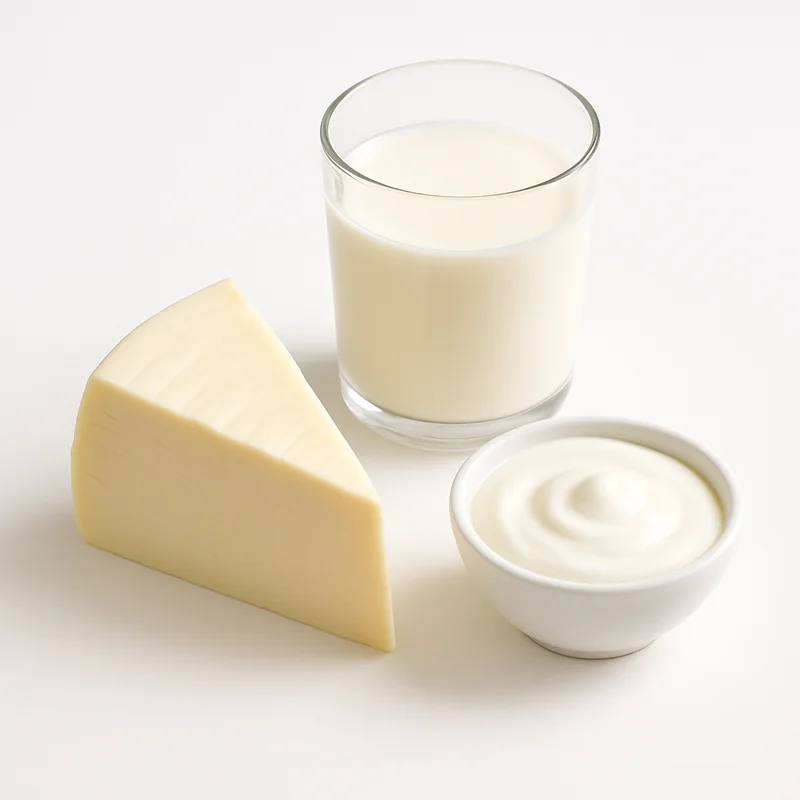
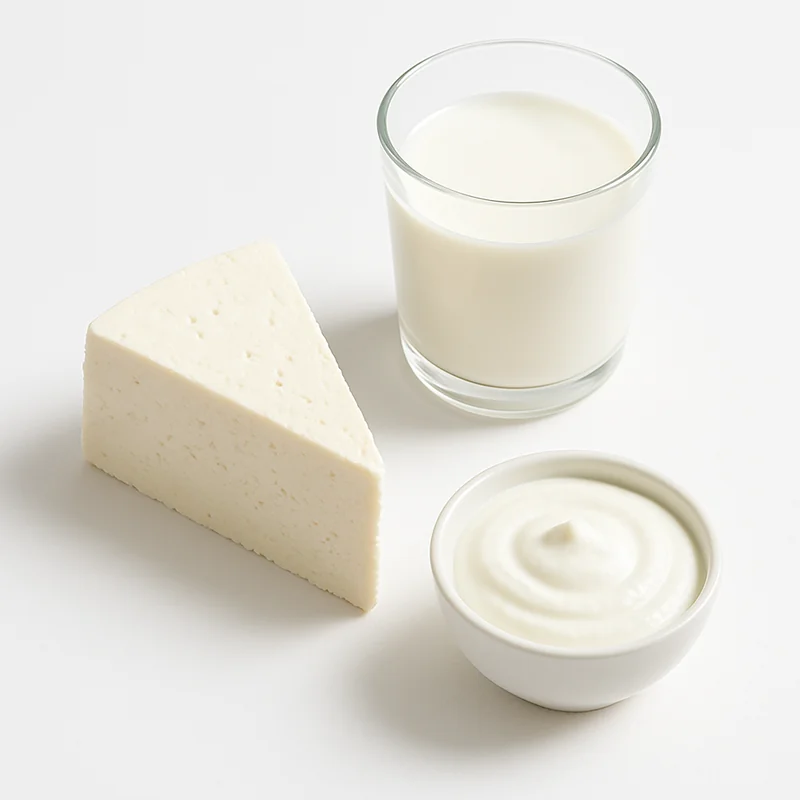
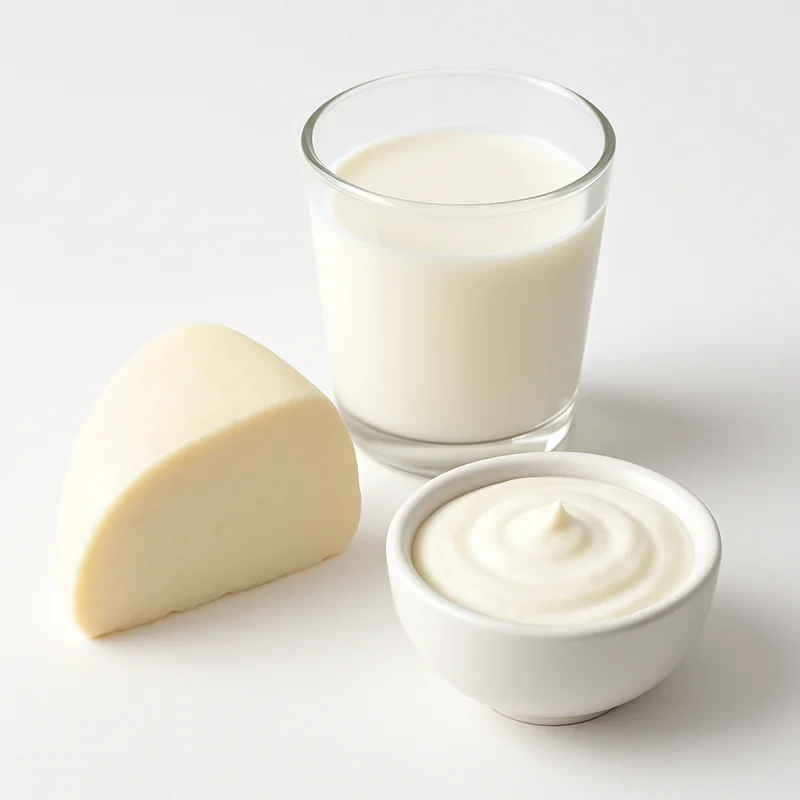
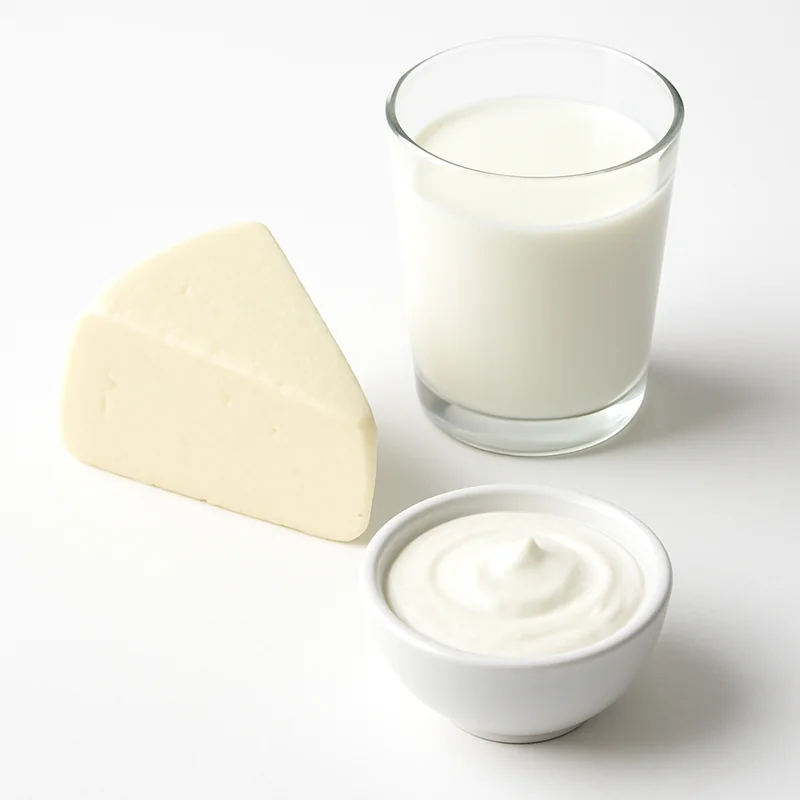
What is Milk actually covering?
See which nutrients your diet already delivers and which ones your supplements still need to — food and pills measured on the same scale.
Check my nutrients2 questions · free · no account needed to start
Also on iPhone — get the free app
Evidence-based supplement guides, no spam
We send a short digest when new guides drop — nothing else. No affiliate pushes, no sponsored content, unsubscribe anytime.