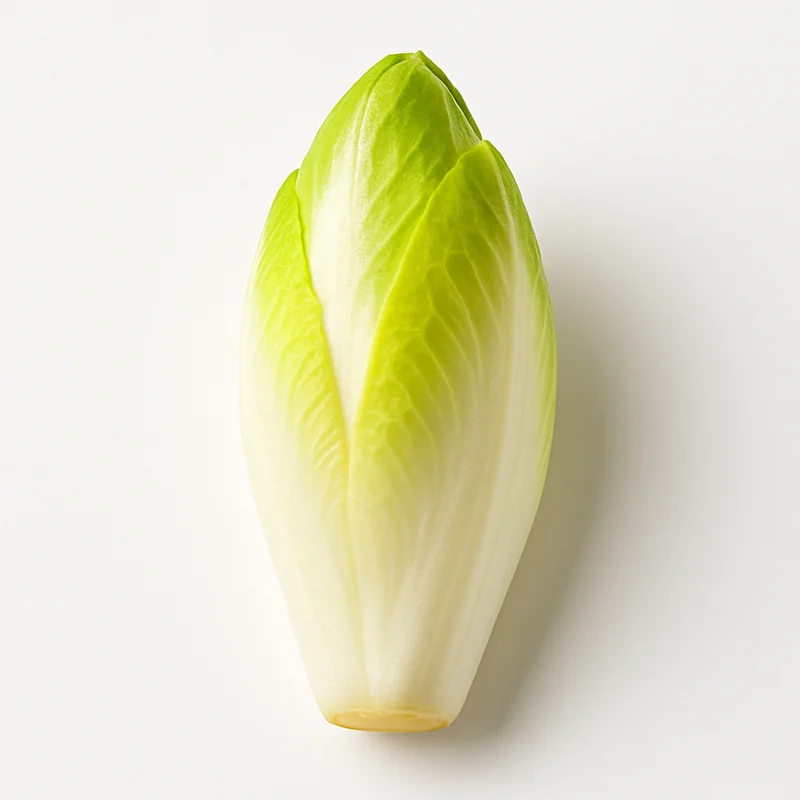
Endive
ScoreA+
Endive is a low-calorie cruciferous vegetable rich in inulin, a prebiotic fiber that supports gut health and metabolic function. Its high vitamin K and folate content make it particularly valuable for bone health and cellular regeneration.
Why Endive scores 96
% Daily Value per ½ cup (85 g)
Nutrition
per 100 g
Health benefits
Supports gut microbiota diversity and metabolic health through prebiotic inulin content
strong evidenceInulin selectively stimulates growth of beneficial bacteria (Bifidobacteria and Lactobacilli), enhancing short-chain fatty acid production, which improves insulin sensitivity and reduces systemic inflammation
Promotes bone health and reduces fracture risk through exceptional vitamin K density
strong evidenceVitamin K activates osteocalcin and other bone matrix proteins essential for mineralization and bone turnover regulation; a single 100g serving provides >200% of daily vitamin K requirements
Enhances detoxification and liver function via bitter compound sesquiterpene lactones
moderate evidenceBitter compounds stimulate bile production and hepatic phase I and II detoxification enzymes, supporting xenobiotic metabolism and cholesterol clearance
Supports cardiovascular health through potassium and folate synergy
strong evidencePotassium regulates blood pressure and vascular function; folate reduces homocysteine levels, an independent cardiovascular risk factor; both minimize atherosclerosis progression
Stabilizes blood glucose and improves insulin sensitivity in metabolic syndrome
moderate evidenceHigh fiber-to-carb ratio and low glycemic load minimize glucose spikes; inulin-derived butyrate enhances insulin secretion and peripheral insulin sensitivity
Pairs well with
- ·Pair with olive oil and lemon juice because fat-soluble vitamin K requires dietary lipid for absorption and lemon's vitamin C enhances non-heme iron bioavailability from the endive's micronutrients
- ·Combine with fermented foods (sauerkraut, kimchi, miso) because endive's prebiotic inulin provides substrate for the probiotics in fermented foods, amplifying dysbiosis correction
- ·Pair with sulfur-rich alliums (garlic, onions, leeks) because both contain glutathione precursors and complementary phytochemicals that synergistically enhance phase II detoxification enzyme activity
- ·Combine with fatty fish (salmon, mackerel) because endive's folate and potassium synergize with fish's omega-3s and vitamin D for superior anti-inflammatory and cardiovascular benefits
Practical tips
- ·Best timing: Endive's low glycemic load and lack of concentrated carbohydrates make it suitable at any time of day. However, consuming 1-2 hours before meals may enhance satiety via fiber and reduce overall caloric intake due to volume expansion in the stomach.
- ·Select firm endive heads with tightly packed leaves and minimal browning; store in crisper drawer at high humidity (wrap in damp paper towel) for up to 2 weeks
- ·Consume endive raw in salads to preserve heat-sensitive folate and maximize bitter compound concentration; if cooking, use minimal water and brief steaming (2-3 minutes) to retain inulin
- ·Begin with small portions (50-75g) if new to endive, as high inulin content may cause transient bloating until microbiota adapt; gradually increase over 1-2 weeks for optimal tolerance
- ·Blanch endive roots separately and roast them as a coffee substitute (chicory root contains similar bitter compounds with additional insulin-supporting properties)
- ·Pair consumption with adequate hydration (250+ mL water) to facilitate fiber's prebiotic action and support kidney function given the potassium load
Related foods
What is Endive actually covering?
See which nutrients your diet already delivers and which ones your supplements still need to — food and pills measured on the same scale.
Check my nutrients2 questions · free · no account needed to start
Also on iPhone — get the free app
Evidence-based supplement guides, no spam
We send a short digest when new guides drop — nothing else. No affiliate pushes, no sponsored content, unsubscribe anytime.