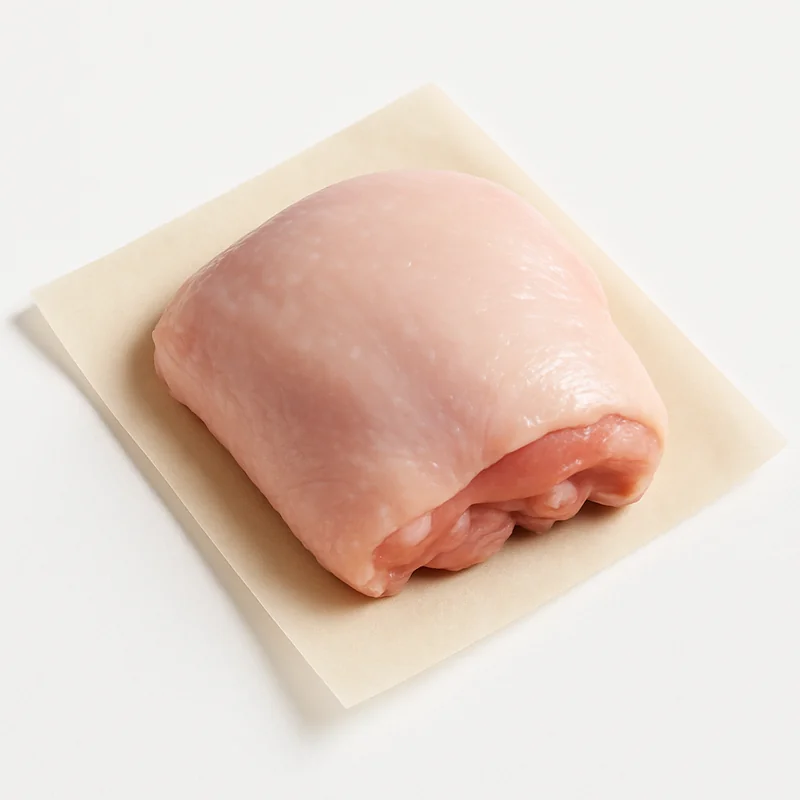
Chicken Thigh
ScoreB
Chicken thigh is a nutrient-dense poultry cut providing 26g of complete protein per 100g along with bioavailable micronutrients including selenium, niacin, and zinc. It offers superior micronutrient density compared to chicken breast while remaining affordable and versatile.
Why Chicken Thigh scores 74
% Daily Value per 3 oz (85 g)
Nutrition
per 100 g
Health benefits
Preserves lean muscle mass and supports muscle protein synthesis
strong evidenceComplete protein (26g per 100g) containing all essential amino acids, particularly high in leucine which activates mTOR signaling for muscle protein synthesis
Supports thyroid function and antioxidant defense
strong evidenceHigh selenium content (24.7 mcg) is incorporated into selenoproteins including glutathione peroxidase, reducing oxidative stress and supporting thyroid peroxidase function
Enhances energy metabolism and supports DNA repair
strong evidenceNiacin (6.5 mg) functions as a coenzyme in NAD+-dependent pathways critical for cellular energy production and DNA maintenance
Strengthens immune function and wound healing
strong evidenceZinc (2.8 mg) is essential for immune cell development, T-cell function, and collagen synthesis required for tissue repair
Improves micronutrient bioavailability across meals
moderate evidenceFat content (10.9g) enhances absorption of fat-soluble vitamins and fat-soluble compounds from accompanying vegetables
Pairs well with
- ·Pair with dark leafy greens (spinach, kale) because fat content enhances absorption of carotenoids and fat-soluble vitamins; iron and vitamin C from greens synergistically improve heme iron bioavailability
- ·Combine with citrus (lemon, orange) or tomatoes because vitamin C increases absorption of the iron and zinc present in thigh meat
- ·Serve with whole grains (brown rice, quinoa) because complementary B vitamins and minerals support energy metabolism from the niacin and selenium in chicken
- ·Cook with garlic and turmeric because organosulfur compounds and curcumin enhance antioxidant status synergistically with thigh's selenium content
Practical tips
- ·Best timing: Chicken thigh's complete protein and micronutrient profile support multiple metabolic pathways throughout the day. Post-workout timing (within 1-2 hours) is particularly beneficial for muscle protein synthesis; however, the moderate fat and protein content also make it suitable for lunch and dinner to support sustained energy and satiety.
- ·Remove skin before cooking to reduce saturated fat from ~3.5g to ~1g per 100g if cardiovascular optimization is priority; keep skin for improved satiety if fat content is not a concern
- ·Store raw thighs at 32-40°F and use within 3-4 days, or freeze up to 9 months; thaw in refrigerator to prevent bacterial growth
- ·Slow-cook at low temperatures (braising, stewing) to optimize collagen conversion to gelatin while preserving heat-sensitive niacin and selenium
- ·Purchase bone-in, skin-on thighs when possible—the bone contributes bioavailable minerals and makes flavorful broths rich in amino acids like glycine and proline
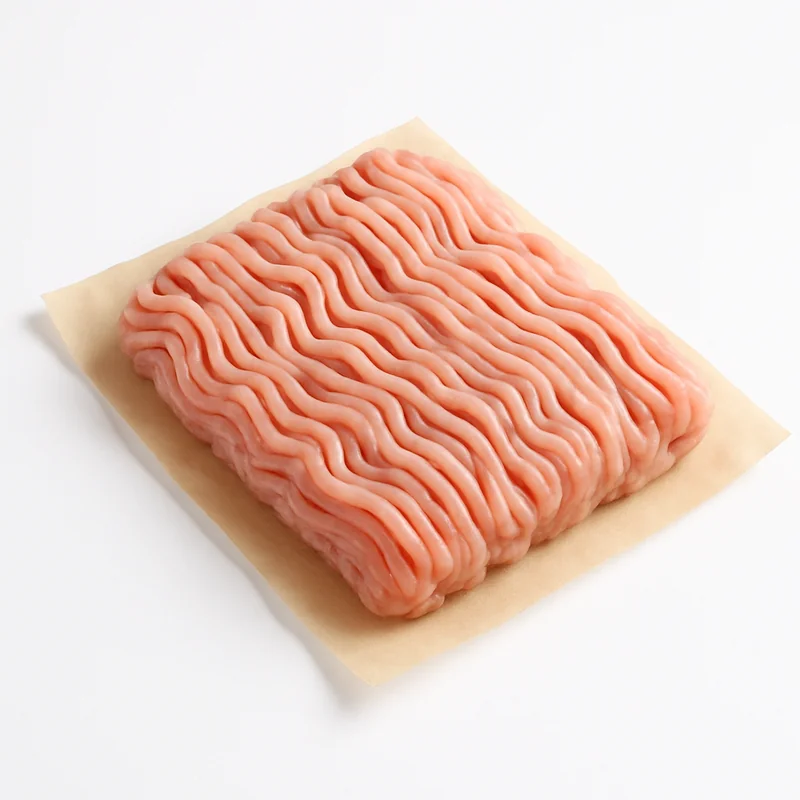
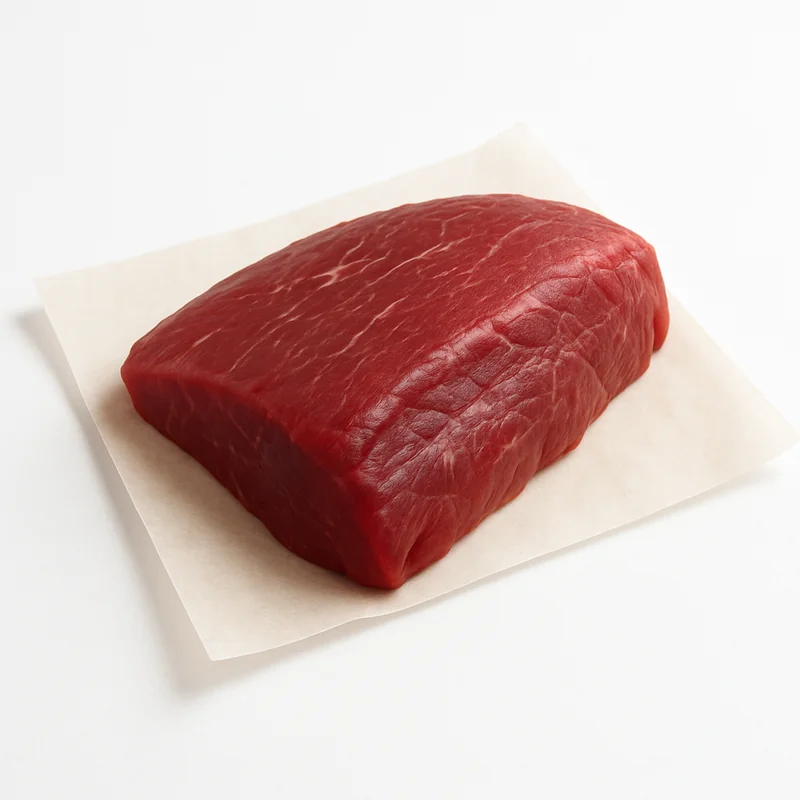
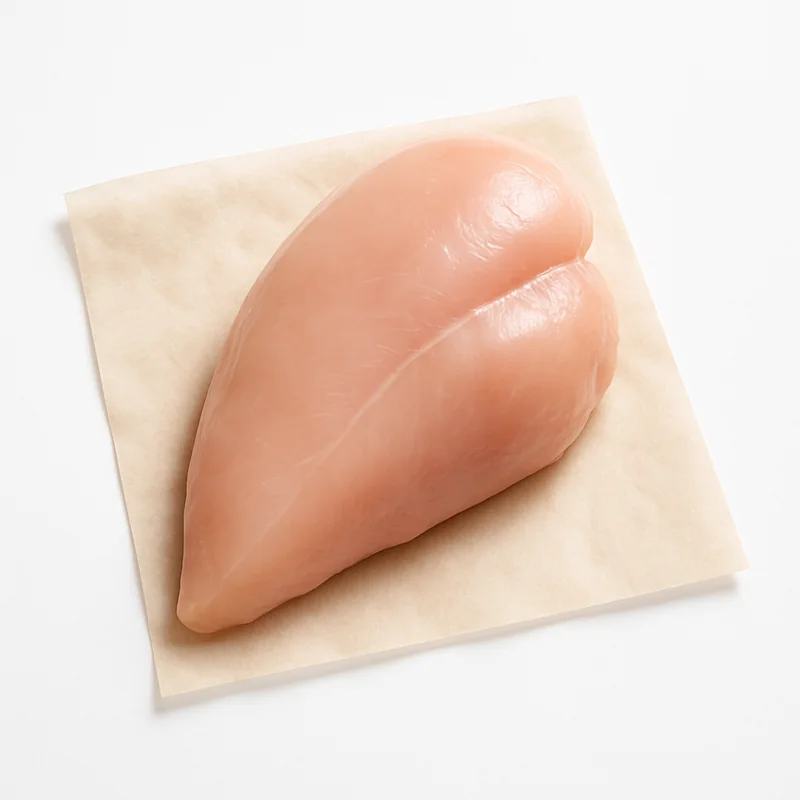
Related foods
What is Chicken Thigh actually covering?
See which nutrients your diet already delivers and which ones your supplements still need to — food and pills measured on the same scale.
Check my nutrients2 questions · free · no account needed to start
Also on iPhone — get the free app
Evidence-based supplement guides, no spam
We send a short digest when new guides drop — nothing else. No affiliate pushes, no sponsored content, unsubscribe anytime.