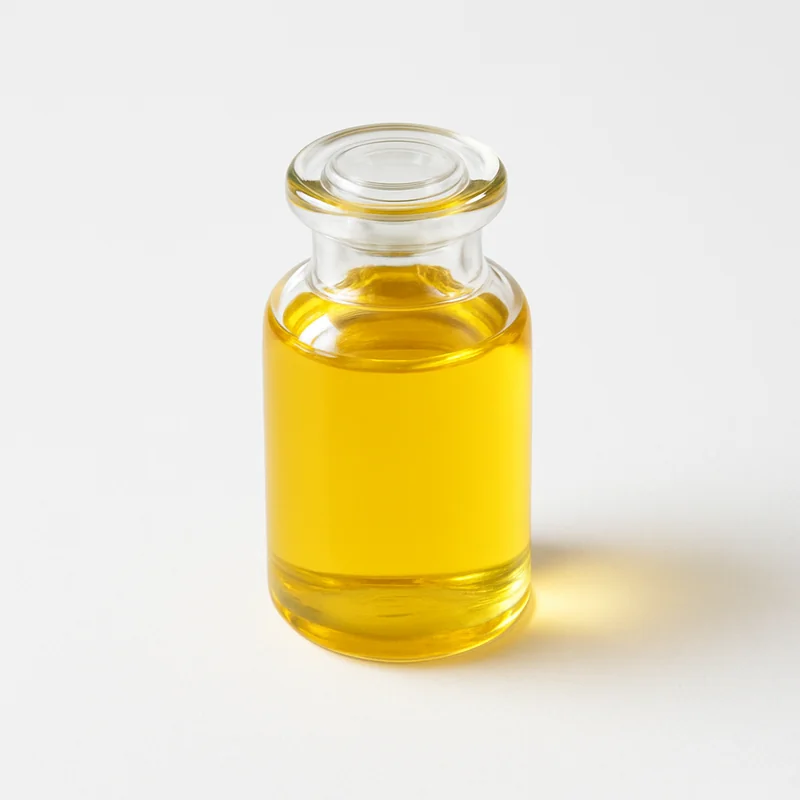
Ghee
ScoreF
Ghee is clarified butter with milk solids removed, consisting of nearly pure fat with fat-soluble vitamins A, D, and E. It offers a high smoke point and traditional use in Ayurvedic medicine for longevity support.
Why Ghee scores 9
% Daily Value per 1 tbsp (14 g)
Nutrition
per 100 g
Health benefits
Supports gut barrier integrity and short-chain fatty acid production
moderate evidenceButyric acid in ghee serves as primary fuel for colonocytes and promotes tight junction proteins, enhancing intestinal permeability and supporting beneficial microbiota
Enhances absorption of fat-soluble vitamins and phytonutrients
strong evidenceHigh fat content and absence of milk proteins facilitate intestinal absorption of vitamins A, D, E, K and carotenoids from concurrent meals
Provides anti-inflammatory conjugated linoleic acid (CLA)
emerging evidenceCLA inhibits pro-inflammatory cytokine production and may modulate immune responses through peroxisome proliferator-activated receptors
Supports cognitive function and myelin formation
emerging evidenceFat-soluble vitamins and butyric acid support brain cell membrane integrity and oligodendrocyte function for nervous system health
Maintains stable blood glucose when combined with carbohydrates
moderate evidenceHigh fat content slows gastric emptying and reduces postprandial glucose spikes when consumed with whole grains or legumes
Pairs well with
- ·Pair with turmeric and black pepper because fat enhances curcumin bioavailability up to 2000% while piperine inhibits hepatic metabolism
- ·Combine with leafy greens (spinach, kale) because fat solubility enables absorption of vitamins K, A, and lutein for bone and eye health
- ·Use with whole grains and legumes because fat slows carbohydrate digestion, stabilizing blood glucose and extending satiety
- ·Pair with vitamin D-rich foods (mushrooms, fatty fish) because ghee's fat matrix optimizes intestinal absorption of vitamin D
- ·Mix with ginger and cinnamon because ghee enhances absorption of gingerol and cinnamaldehyde's anti-inflammatory compounds
Practical tips
- ·Best timing: midday
- ·Select grass-fed ghee when possible; pasture-raised dairy contains higher levels of CLA and fat-soluble vitamins compared to grain-fed sources
- ·Store in cool, dark conditions or refrigerate; ghee remains stable for 9-12 months at room temperature but lasts longer when chilled, preventing oxidative degradation
- ·Start with 1 teaspoon (5g) per meal to assess individual tolerance; some individuals show improved lipid profiles while others may need to limit saturated fat intake based on genetic factors
- ·Use as cooking fat for temperatures above 350°F to avoid oxidative damage from polyunsaturated oils; ghee's stability makes it superior to olive oil for high-heat cooking
- ·Consume with meals rather than in isolation to maximize nutrient absorption and minimize insulin response from concurrent carbohydrates
Related foods
What is Ghee actually covering?
See which nutrients your diet already delivers and which ones your supplements still need to — food and pills measured on the same scale.
Check my nutrients2 questions · free · no account needed to start
Also on iPhone — get the free app
Evidence-based supplement guides, no spam
We send a short digest when new guides drop — nothing else. No affiliate pushes, no sponsored content, unsubscribe anytime.