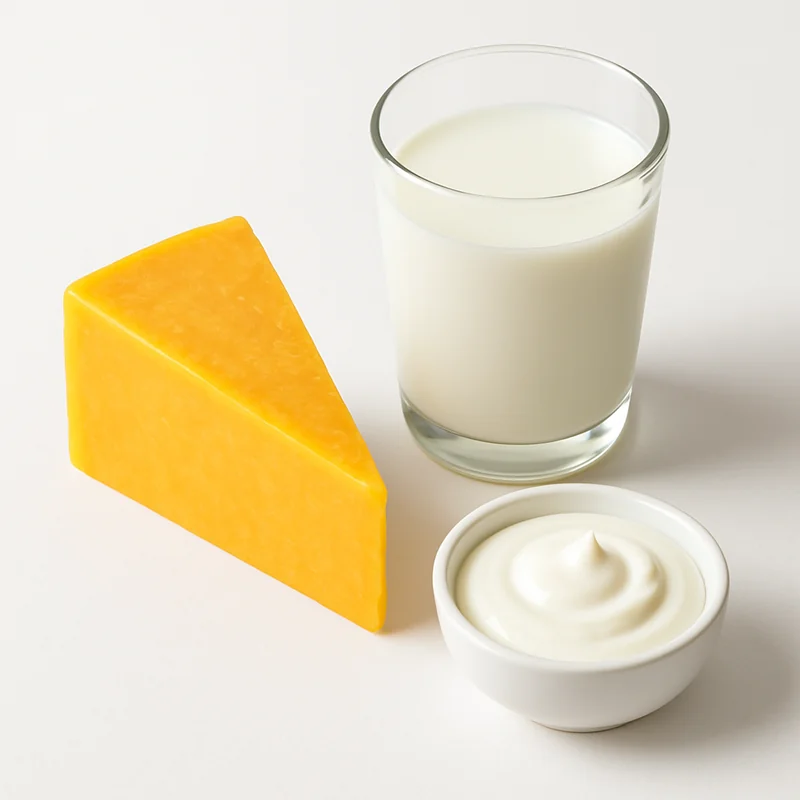
Cheddar Cheese
ScoreC
Cheddar cheese is a nutrient-dense dairy product providing high-quality protein, bioavailable calcium, and essential micronutrients including vitamin B12 and zinc, making it valuable for bone health and metabolic function.
Why Cheddar Cheese scores 51
% Daily Value per 1 oz (30 g)
Nutrition
per 100 g
Health benefits
Bone health and osteoporosis prevention
strong evidenceHigh bioavailable calcium (721mg per 100g) and phosphorus work synergistically to maintain bone mineral density; vitamin K2 (from aging process) may enhance osteocalcin activation for bone mineralization
Muscle maintenance and protein synthesis
strong evidenceComplete amino acid profile with high leucine content stimulates mTOR signaling and muscle protein synthesis, critical for preventing age-related sarcopenia
Neurological health and cognitive function
moderate evidenceVitamin B12 supports myelin formation and homocysteine metabolism; elevated homocysteine is linked to cognitive decline, and B12 helps maintain normal levels
Immune function support
moderate evidenceZinc (3.1mg per 100g) is essential for T-cell development and immune response; selenium enables selenoprotein synthesis for antioxidant defense
Pairs well with
- ·Pair with cruciferous vegetables (broccoli, kale) because vitamin K from these foods works synergistically with calcium and phosphorus for enhanced bone mineralization
- ·Combine with tomatoes because lycopene may improve calcium absorption and provide complementary antioxidant protection
- ·Serve with apple slices because polyphenols in apples enhance mineral bioavailability and provide prebiotic fiber for gut health
Practical tips
- ·Best timing: midday
- ·Limit portion to 30-40g daily (roughly 1.5 ounces) to obtain nutrient benefits while managing saturated fat intake and calories
- ·Choose aged cheddar (12+ months) over young cheddar, as the aging process increases lactase breakdown, improving digestibility for lactose-sensitive individuals
- ·Store in parchment paper (not plastic) in a dedicated section of the refrigerator to prevent mold contamination and preserve flavor compounds
Related foods
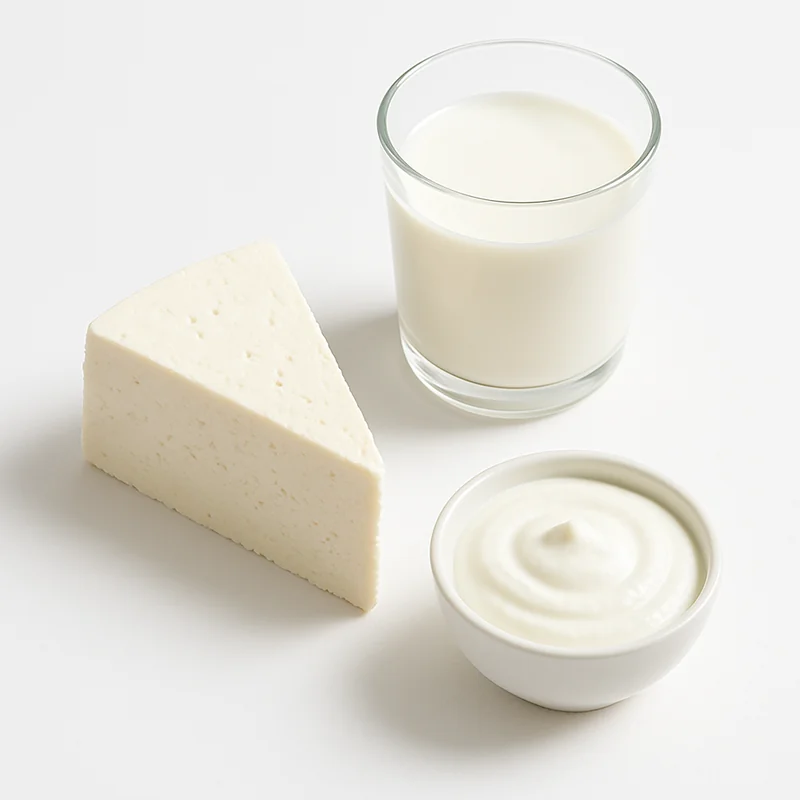
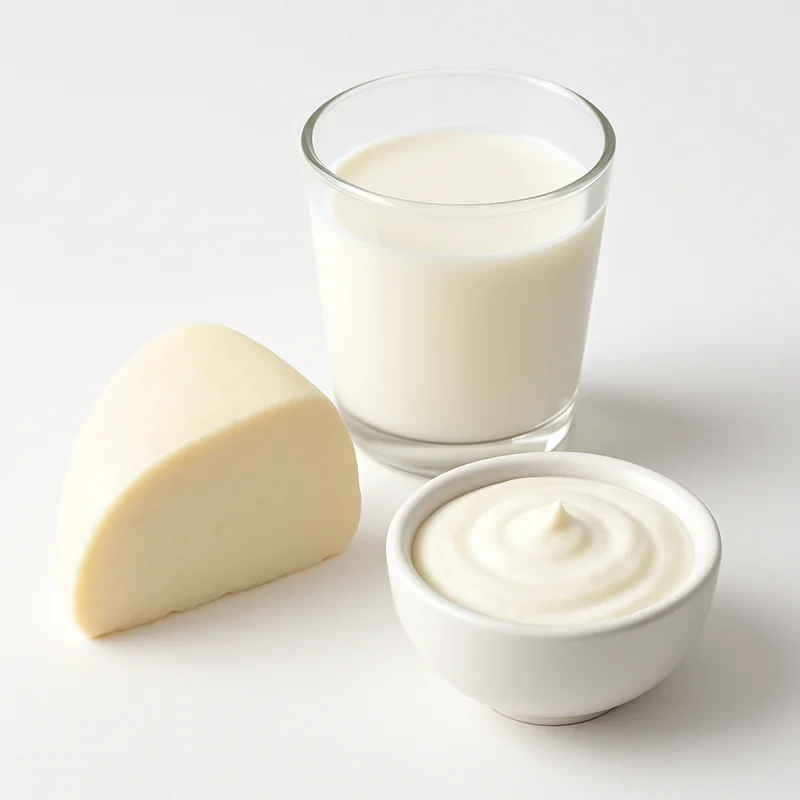
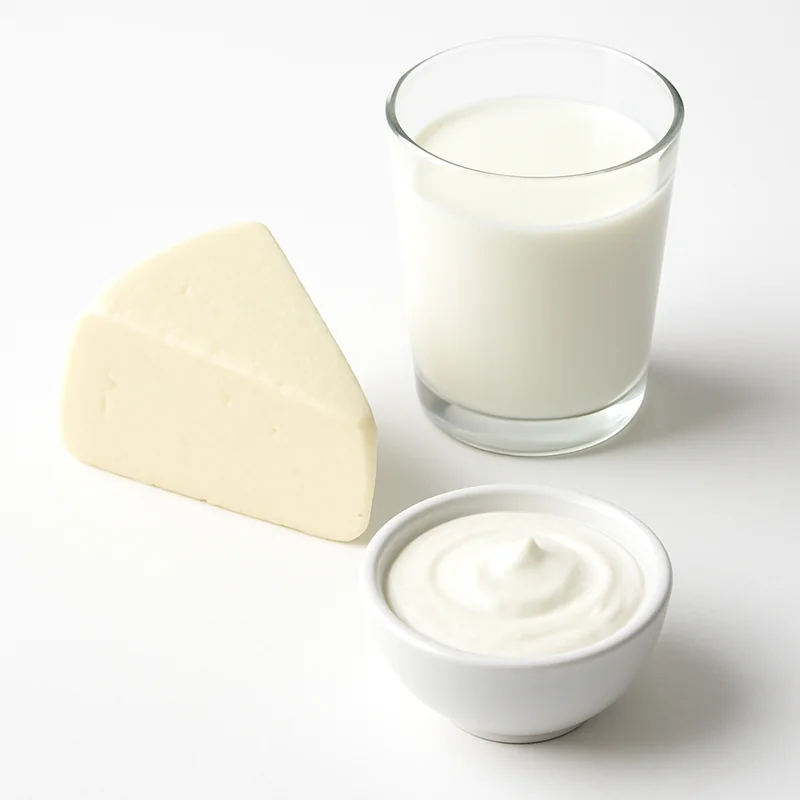
What is Cheddar Cheese actually covering?
See which nutrients your diet already delivers and which ones your supplements still need to — food and pills measured on the same scale.
Check my nutrients2 questions · free · no account needed to start
Also on iPhone — get the free app
Evidence-based supplement guides, no spam
We send a short digest when new guides drop — nothing else. No affiliate pushes, no sponsored content, unsubscribe anytime.