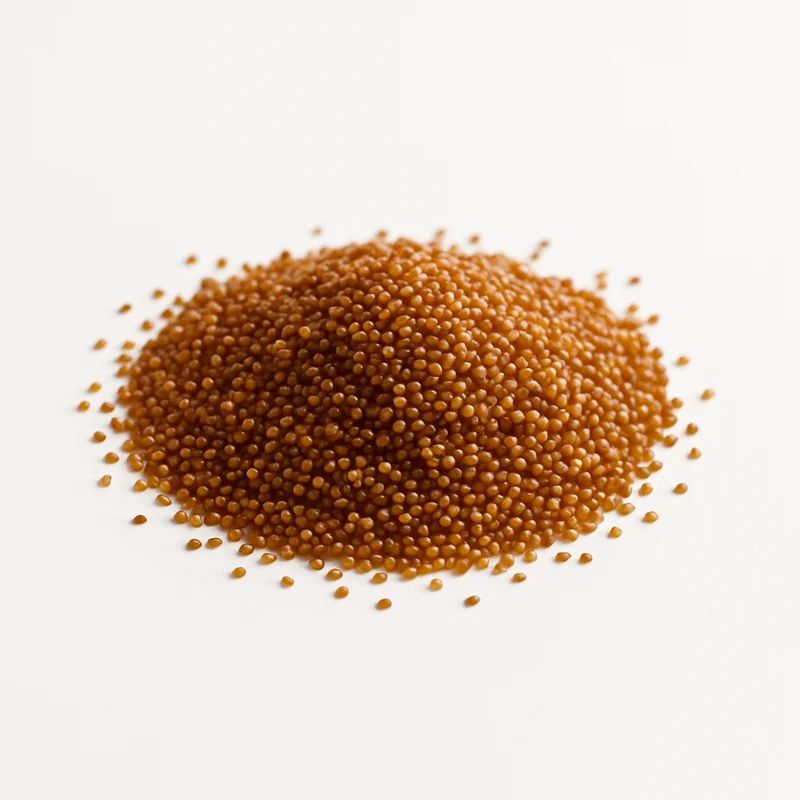
Teff
ScoreA
Teff is a tiny ancient grain native to Ethiopia with an exceptional nutrient density, providing 13.3g protein, 8g fiber, and rich mineral content per 100g serving.
Why Teff scores 88
% Daily Value per ½ cup (50 g)
Nutrition
per 100 g
Health benefits
Complete protein with all nine essential amino acids supports muscle maintenance and synthesis
strong evidenceTeff contains balanced amino acid ratios comparable to quinoa; protein synthesis in aging populations depends on adequate intake of all EAAs, particularly leucine for muscle fiber preservation
High mineral density (iron, manganese, magnesium) supports bone density and cardiovascular health
strong evidenceMagnesium is essential for bone mineralization and vascular function; manganese activates osteocalcin for bone formation; iron supports hemoglobin and mitochondrial function
High fiber and resistant starch content improves glycemic control and insulin sensitivity
moderate evidenceSoluble and insoluble fiber slows glucose absorption; resistant starch ferments into butyrate, which enhances gut barrier integrity and improves insulin sensitivity
Bioactive polyphenols provide antioxidant and anti-inflammatory effects
moderate evidenceTeff contains phenolic compounds that reduce oxidative stress and inflammation, key drivers of age-related diseases including cardiovascular disease and neurodegeneration
Supports healthy gut microbiome diversity through prebiotic fiber
emerging evidenceTeff's fiber profile feeds beneficial bacteria species, promoting microbial diversity which correlates with improved immune function and reduced systemic inflammation
Pairs well with
- ·Pair with fermented foods (yogurt, miso, sauerkraut) because fermented probiotics enhance mineral bioavailability, particularly iron and magnesium absorption
- ·Combine with vitamin C-rich foods (citrus, tomatoes, bell peppers) to enhance non-heme iron absorption through ascorbic acid reduction
- ·Pair with leafy greens (spinach, kale) to balance phytate content and create mineral-complementary meals with additive nutrient density
- ·Combine with healthy fats (olive oil, avocado, nuts) because fat-soluble absorption and satiety are enhanced, stabilizing postprandial glucose response
Practical tips
- ·Best timing: Teff's balanced macronutrient profile and slow-digesting carbohydrates make it suitable for any meal; morning consumption provides sustained energy, while evening use avoids blood sugar spikes due to resistant starch content
- ·Store uncooked teff in airtight containers in cool, dry conditions for up to 12 months; whole grains maintain nutrient stability longer than flour
- ·Rinse teff flour before cooking to reduce any residual dust; cook at a 1:3 grain-to-water ratio for approximately 15-20 minutes until tender
- ·Make teff porridge by simmering with milk or plant-based alternatives and adding cinnamon (enhances glucose control) and berries (adds polyphenols)
- ·Use teff flour in baking to replace 20-30% of wheat flour for added protein and mineral content without dramatically altering texture
- ·Sprout teff seeds for 2-3 days to reduce phytate content and increase bioavailable mineral absorption by up to 30%
Related foods
What is Teff actually covering?
See which nutrients your diet already delivers and which ones your supplements still need to — food and pills measured on the same scale.
Check my nutrients2 questions · free · no account needed to start
Also on iPhone — get the free app
Evidence-based supplement guides, no spam
We send a short digest when new guides drop — nothing else. No affiliate pushes, no sponsored content, unsubscribe anytime.