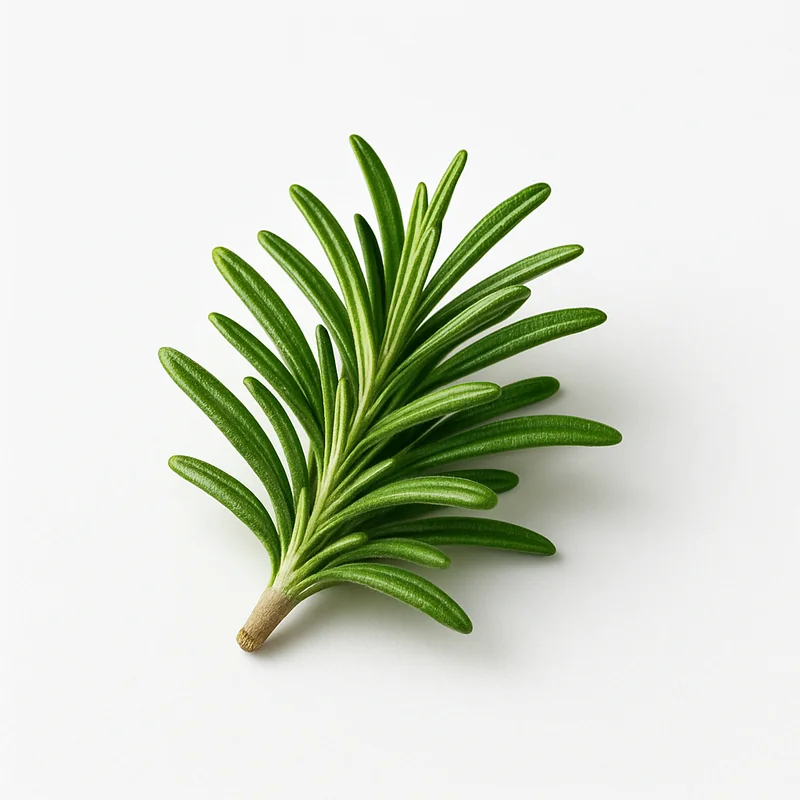
Rosemary
ScoreA+
Rosemary is a Mediterranean herb rich in polyphenolic compounds and essential oils, delivering concentrated levels of iron, calcium, and antioxidants with minimal calories.
Why Rosemary scores 94
% Daily Value per a pinch (2 g)
Nutrition
per 100 g
Health benefits
Enhanced cognitive function and neuroprotection
moderate evidenceCarnosic acid and carnosol cross the blood-brain barrier and neutralize free radicals in neural tissue, while rosmarinic acid reduces neuroinflammation through modulation of microglia activation
Improved antioxidant and anti-inflammatory status
strong evidenceHigh polyphenol content (particularly rosmarinic and carnosic acids) neutralizes reactive oxygen species and inhibits pro-inflammatory signaling pathways including NF-κB
Enhanced blood flow and vascular function
moderate evidenceRosmarinic acid and other phenolics improve endothelial function through nitric oxide bioavailability and reduce platelet aggregation
Support for bone mineral density
emerging evidenceHigh calcium (317mg/100g) and magnesium content support bone matrix formation, while polyphenols may enhance osteoblast activity and reduce bone resorption
Mitochondrial protection and energy metabolism
emerging evidenceCarnosol protects mitochondrial membrane integrity and supports ATP synthesis by reducing oxidative stress in the electron transport chain
Pairs well with
- ·Pair with extra-virgin olive oil in dressings or drizzles because both contain complementary polyphenols that enhance antioxidant bioavailability and support cardiovascular health
- ·Combine with fatty fish (salmon, sardines) because fat-soluble rosemary polyphenols enhance absorption while omega-3s amplify anti-inflammatory effects
- ·Use with iron-rich legumes (lentils, chickpeas) because rosemary's vitamin C content (21.8mg/100g) enhances non-heme iron absorption from plant sources
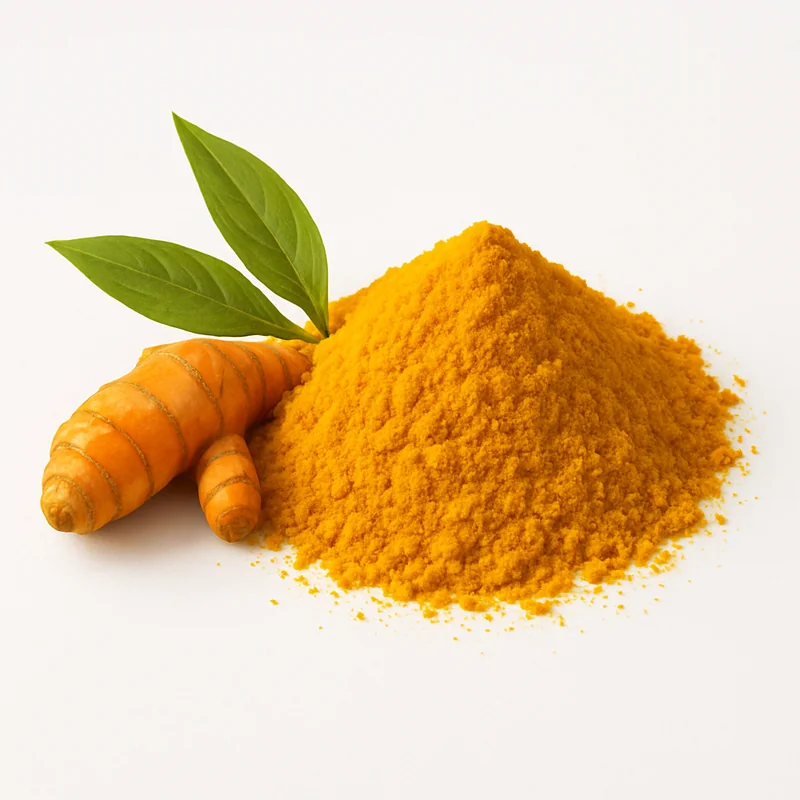
- ·Pair with turmeric and black pepper in warm beverages because curcumin and rosmarinic acid work synergistically to reduce systemic inflammation through complementary pathways
Practical tips
- ·Best timing: Rosemary's polyphenols and micronutrients support health throughout the day. Morning consumption may enhance cognitive function, while evening use supports antioxidant status and relaxation (due to calmative essential oils). As a culinary herb, integration across meals optimizes consistent phytochemical intake.
- ·Fresh rosemary retains 40% more bioactive polyphenols than dried; store fresh sprigs in a damp paper towel in the refrigerator for up to 2 weeks to maximize phytochemical content
- ·Steep 1-2 teaspoons of dried rosemary in hot water for 5-10 minutes to create a polyphenol-rich herbal infusion; consume 1-2 cups daily for consistent antioxidant intake
- ·Add rosemary at the end of cooking or as a garnish when possible, as prolonged heat above 160°C degrades heat-sensitive bioactive compounds like rosmarinic acid
- ·Combine dried rosemary with other Mediterranean herbs (oregano, thyme) in a 2:1:1 ratio to create a synergistic seasoning blend that maximizes polyphenolic diversity
Related foods
What is Rosemary actually covering?
See which nutrients your diet already delivers and which ones your supplements still need to — food and pills measured on the same scale.
Check my nutrients2 questions · free · no account needed to start
Also on iPhone — get the free app
Evidence-based supplement guides, no spam
We send a short digest when new guides drop — nothing else. No affiliate pushes, no sponsored content, unsubscribe anytime.