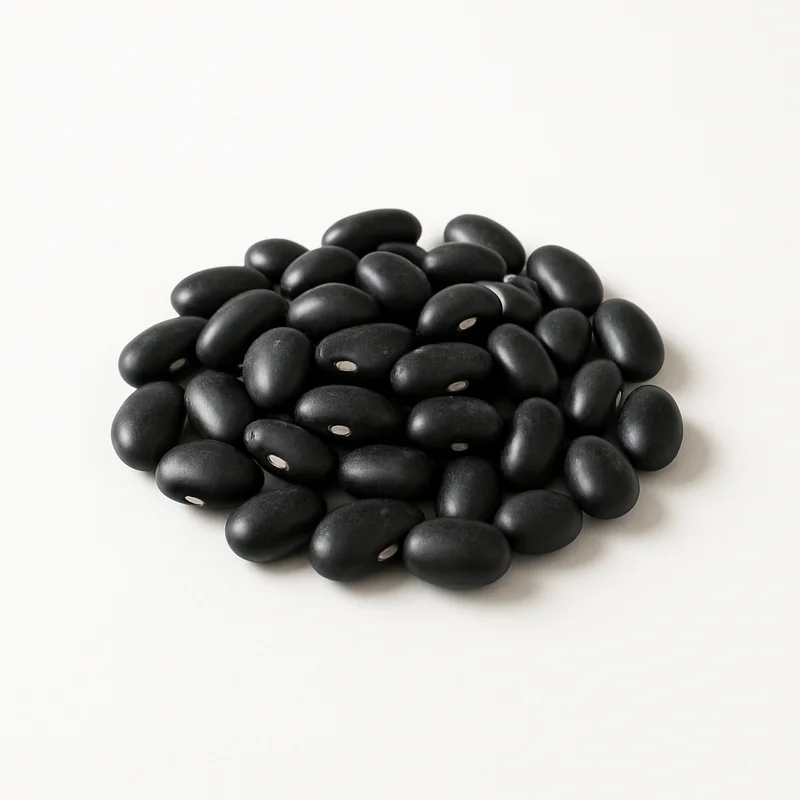
Black Beans
ScoreA
Black beans are a nutrient-dense legume rich in plant-based protein, fiber, and polyphenols, offering sustained energy and cardiovascular support. They provide 8.9g protein and 8.7g fiber per 100g, making them a cornerstone food for longevity-focused diets.
Why Black Beans scores 89
% Daily Value per ½ cup (90 g)
Nutrition
per 100 g
Health benefits
Improved cardiovascular health and reduced blood pressure
strong evidenceAnthocyanins and other polyphenols reduce arterial stiffness and improve endothelial function; high potassium (355 mg/100g) supports vasodilation and sodium-potassium balance
Enhanced glycemic control and reduced diabetes risk
strong evidenceHigh soluble fiber and resistant starch slow glucose absorption, reduce insulin spikes, and improve insulin sensitivity; fiber feeds butyrate-producing bacteria that enhance glucose metabolism
Improved gut microbiota composition and reduced inflammation
moderate evidenceDietary fiber and polyphenols serve as prebiotic substrates, promoting growth of beneficial Faecalibacterium and Roseburia species; microbial metabolites reduce systemic inflammation and intestinal permeability
Support for DNA repair and cellular methylation
strong evidenceHigh folate content (149 mcg/100g) is essential for one-carbon metabolism, enabling proper DNA methylation patterns and nucleotide synthesis for cell division and repair
Enhanced iron bioavailability and oxygen transport capacity
moderate evidenceBlack beans provide 2.1 mg non-heme iron per 100g; when paired with vitamin C sources, absorption increases significantly, supporting hemoglobin synthesis and aerobic capacity
Pairs well with
- ·Pair with citrus (lime, lemon, orange) because vitamin C increases non-heme iron absorption by up to 3-4 fold, maximizing the bioavailability of beans' 2.1 mg iron content
- ·Combine with whole grains (brown rice, quinoa, oats) because beans lack methionine while grains are limited in lysine; together they form a complete amino acid profile equivalent to animal protein
- ·Serve with carotenoid-rich vegetables (bell peppers, tomatoes, sweet potato) because polyphenols in black beans enhance the absorption and bioactivity of fat-soluble carotenoids when consumed together
- ·Pair with fermented foods (sauerkraut, kimchi, miso) because combined probiotic action and prebiotic fiber synergistically optimize gut microbiota diversity and short-chain fatty acid production
Practical tips
- ·Best timing: midday
- ·Soak dried black beans for 12-24 hours before cooking to reduce oligosaccharides (raffinose, stachyose) that cause digestive discomfort; soaking water can be discarded and replaced
- ·Store dried black beans in airtight containers in cool, dark conditions for up to 1-2 years; check for insects or discoloration before use
- ·Cook beans until tender (60-90 minutes depending on age) with kombu seaweed or ginger to further reduce gas-producing compounds and enhance mineral bioavailability
- ·Consume black beans with black pepper (piperine) to enhance polyphenol absorption and bioactivity; piperine increases bioavailability of anthocyanins by 20-40%
- ·Prepare larger batches and freeze cooked beans in portion-sized containers for convenient access; properly frozen beans maintain nutritional integrity for 3-6 months
Related foods
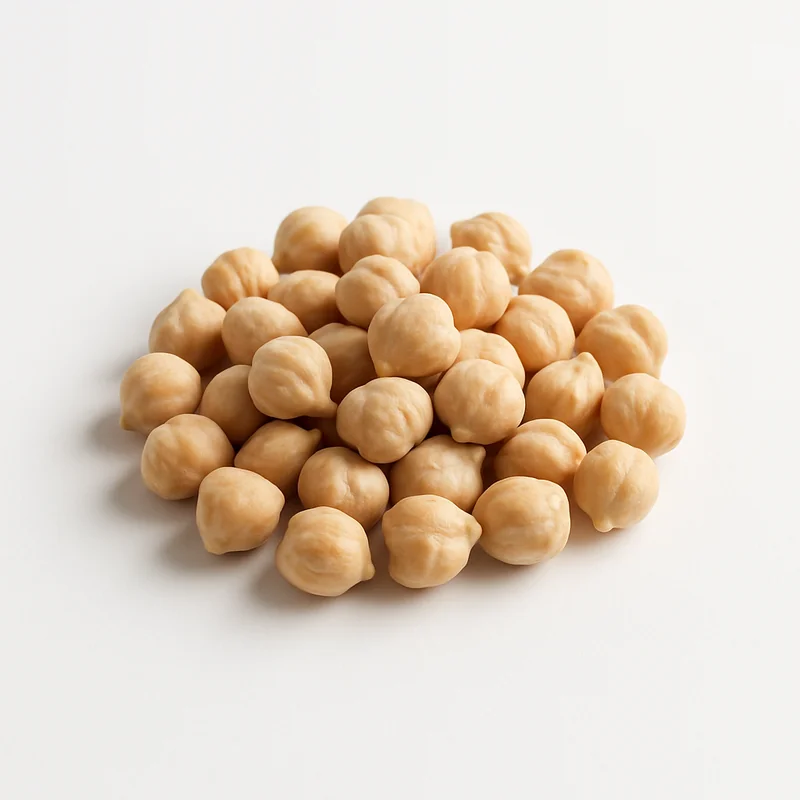
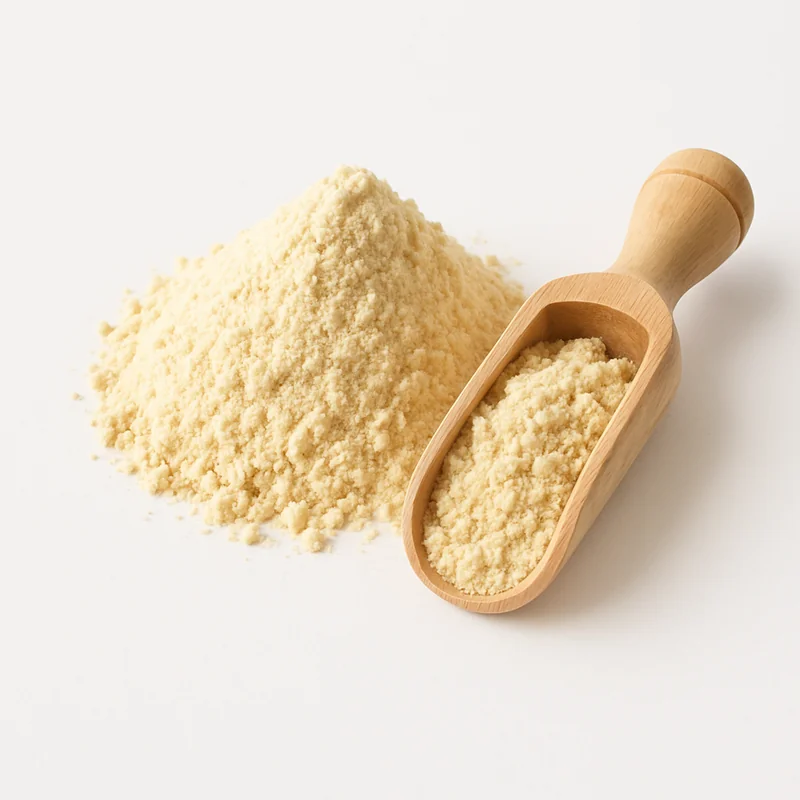
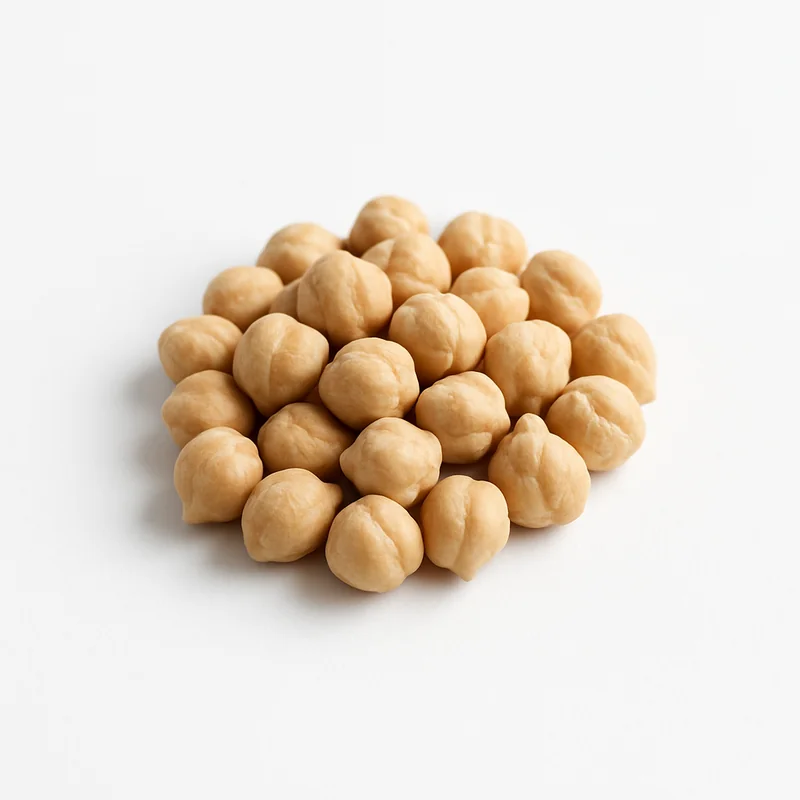
What is Black Beans actually covering?
See which nutrients your diet already delivers and which ones your supplements still need to — food and pills measured on the same scale.
Check my nutrients2 questions · free · no account needed to start
Also on iPhone — get the free app
Evidence-based supplement guides, no spam
We send a short digest when new guides drop — nothing else. No affiliate pushes, no sponsored content, unsubscribe anytime.