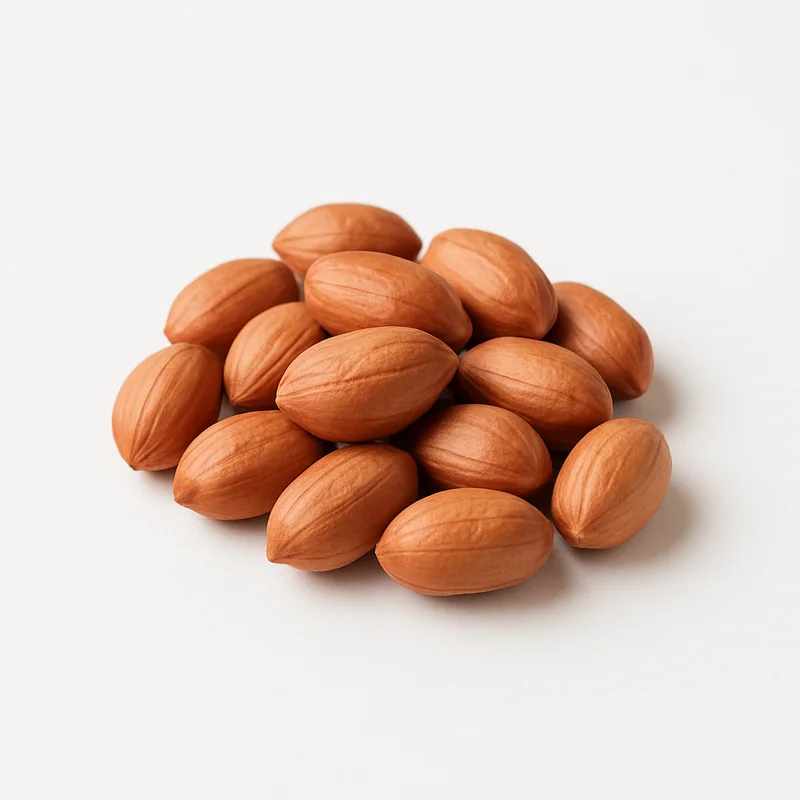
Peanut
ScoreA
Peanuts are nutrient-dense legumes rich in plant-based protein, healthy fats, and fiber, providing sustained energy and supporting cardiovascular and metabolic health.
Why Peanut scores 85
% Daily Value per 1 oz (28 g)
Nutrition
per 100 g
Health benefits
Cardiovascular health and improved lipid profiles
strong evidenceMonounsaturated fats and polyphenols reduce LDL cholesterol oxidation and improve HDL levels, while arginine supports endothelial function and blood flow
Enhanced satiety and weight management support
strong evidenceHigh protein and fiber content trigger prolonged satiety signals and reduce subsequent caloric intake when consumed as snacks
Antioxidant and anti-inflammatory protection
moderate evidenceResveratrol, polyphenols, and vitamin E neutralize reactive oxygen species and suppress pro-inflammatory cytokine production
Bone health and mineral metabolism support
moderate evidenceMagnesium, phosphorus, manganese, and copper are essential cofactors in bone mineralization and osteoblast function
Cognitive function and neuroprotection
emerging evidencePolyphenols and vitamin E cross the blood-brain barrier, reducing neuroinflammation and supporting mitochondrial function in neurons
Pairs well with
- ·Pair with berries because anthocyanins synergize with peanut polyphenols to enhance total antioxidant capacity
- ·Combine with whole grains because fiber and complex carbs slow fat digestion, improving lipid metabolism and glycemic stability
- ·Mix with dark chocolate because both contain polyphenols that have complementary anti-inflammatory and cardiovascular benefits
- ·Add to leafy greens because vitamin C in greens enhances absorption of iron and copper from peanuts
Practical tips
- ·Best timing: Peanuts' balanced macronutrient profile (protein, fat, fiber) provides sustained energy without sharp glycemic spikes, making them suitable throughout the day; midday or pre-workout consumption capitalizes on sustained energy release
- ·Choose raw or dry-roasted peanuts over oil-roasted varieties to minimize oxidized fat intake; verify sodium content if hypertensive
- ·Store in airtight, cool conditions away from light to prevent rancidity of polyunsaturated fats; refrigerate after opening
- ·Consume 1 ounce (23 peanuts) as a portion to obtain benefits without excess calories; portion control is critical despite high nutrient density
- ·Soak or sprouted peanuts reduce phytate content, enhancing mineral bioavailability—prepare 8-12 hours beforehand if possible
- ·Select organic peanuts when possible to minimize aflatoxin exposure, a fungal contaminant of concern in conventionally grown peanuts
Related foods
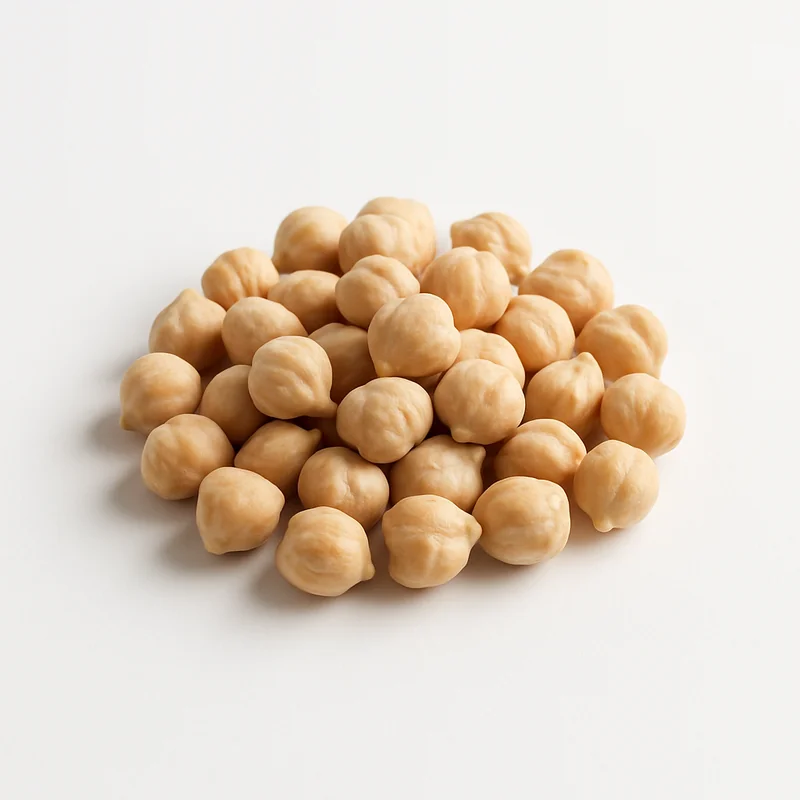
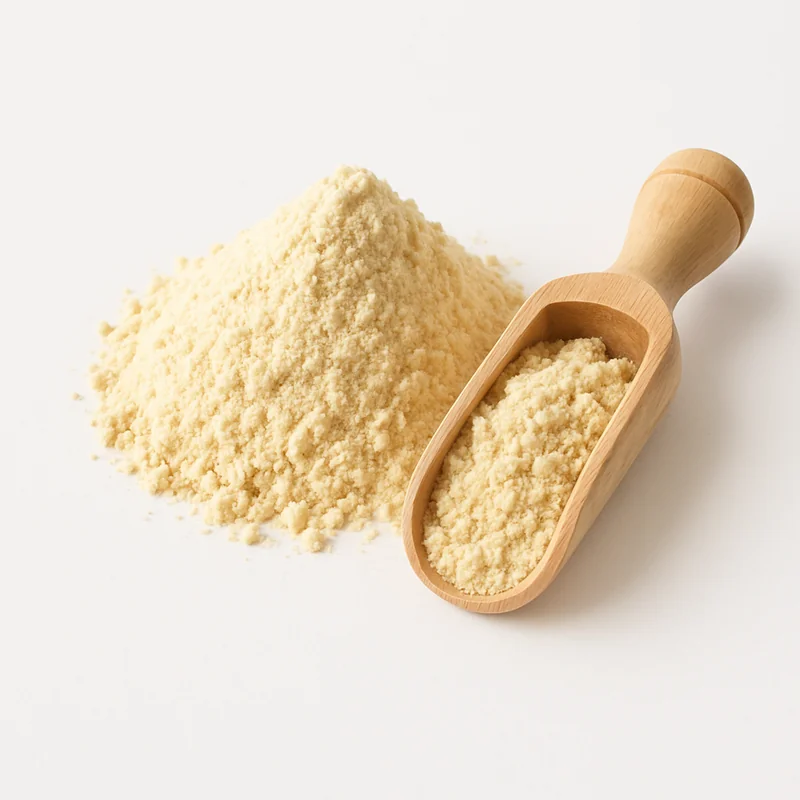
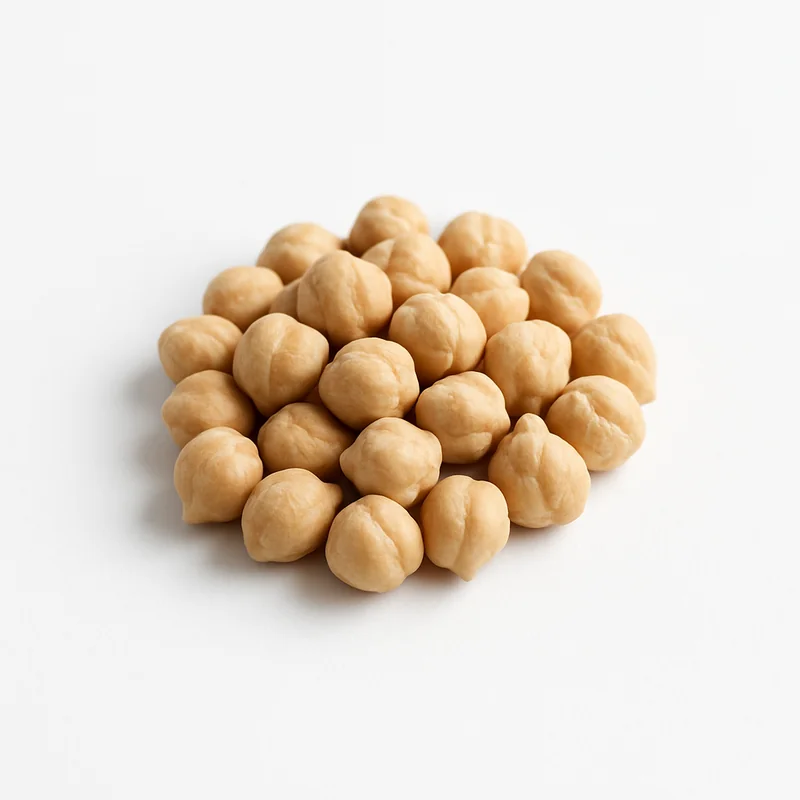
What is Peanut actually covering?
See which nutrients your diet already delivers and which ones your supplements still need to — food and pills measured on the same scale.
Check my nutrients2 questions · free · no account needed to start
Also on iPhone — get the free app
Evidence-based supplement guides, no spam
We send a short digest when new guides drop — nothing else. No affiliate pushes, no sponsored content, unsubscribe anytime.