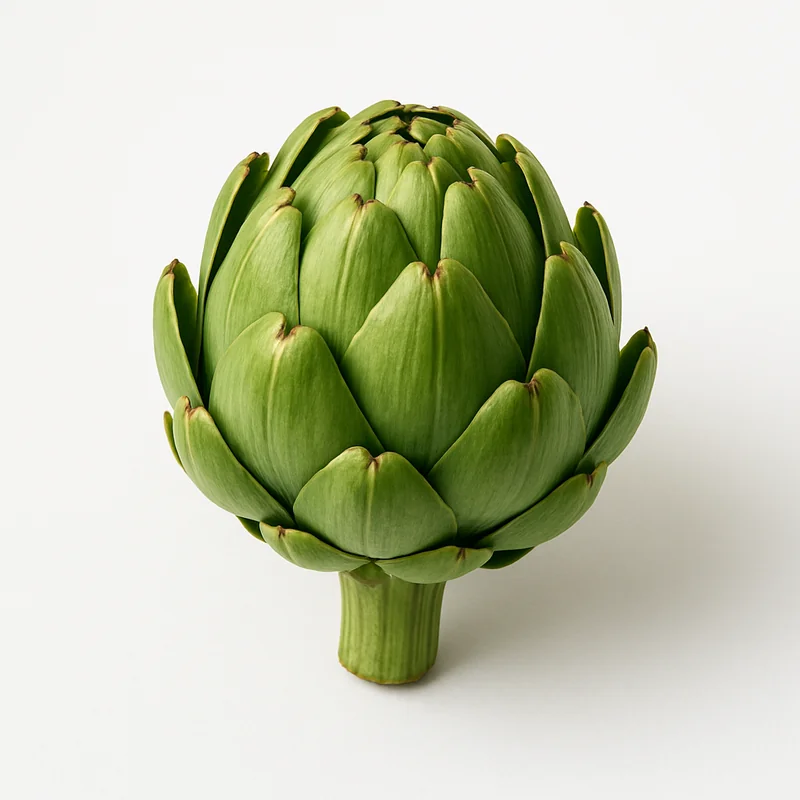
Artichoke
ScoreA+
Artichokes are nutrient-dense vegetables rich in fiber, polyphenols, and inulin that support digestive and metabolic health. They provide substantial prebiotic compounds with only 47 calories per 100g.
Why Artichoke scores 94
% Daily Value per ½ cup (85 g)
Nutrition
per 100 g
Health benefits
Enhanced prebiotic fiber delivery and gut microbiome diversity
strong evidenceInulin in artichokes feeds beneficial Bifidobacteria and Faecalibacterium species, increasing short-chain fatty acid production that strengthens intestinal barrier function and reduces systemic inflammation
Hepatoprotective function and improved liver detoxification capacity
moderate evidenceCynarin and silymarin activate hepatic Phase II detoxification enzymes (glutathione S-transferase) and reduce oxidative stress in hepatocytes
Cholesterol and triglyceride reduction
moderate evidenceChlorogenic acid and inulin reduce hepatic cholesterol synthesis and increase bile acid excretion, improving lipid metabolism markers
Antioxidant and anti-inflammatory status improvement
moderate evidencePolyphenolic compounds (caffeic acid, chlorogenic acid) scavenge reactive oxygen species and suppress NF-κB signaling to reduce pro-inflammatory cytokines
Sustained glucose stability and insulin sensitivity
moderate evidenceInulin and fiber reduce postprandial glucose spikes by slowing gastric emptying and increasing incretin hormone secretion
Pairs well with
- ·Pair with extra-virgin olive oil because oleic acid enhances absorption of fat-soluble polyphenolic antioxidants and reduces their oxidative metabolism
- ·Pair with garlic because allicin acts synergistically with artichoke polyphenols to upregulate detoxification pathways and reduce bacterial lipopolysaccharide absorption
- ·Pair with lemon juice because citric acid lowers gastric pH, enhancing mineral bioavailability (iron, magnesium) and stabilizing heat-sensitive polyphenols
- ·Pair with whole grains or legumes because added protein and resistant starch work with artichoke inulin to extend satiety and optimize SCFA production patterns
Practical tips
- ·Best timing: midday
- ·Select artichokes with tightly closed, deep green bracts; store upright in a plastic bag in the refrigerator for up to 5 days to preserve moisture and prevent oxidative browning
- ·Steam artichokes whole for 25-35 minutes until leaf bases are tender—steaming preserves inulin and heat-sensitive polyphenols better than boiling
- ·Consume the tender inner leaves and heart; this edible portion concentrates cynarin and chlorogenic acid in the highest amounts
- ·Include artichokes 3-5 times weekly for optimal prebiotic dose; individual tolerance to inulin varies, so increase gradually to avoid digestive discomfort
- ·Freeze cooked artichoke hearts in portions—freezing does not significantly degrade polyphenol or inulin content and extends seasonal access
Related foods
What is Artichoke actually covering?
See which nutrients your diet already delivers and which ones your supplements still need to — food and pills measured on the same scale.
Check my nutrients2 questions · free · no account needed to start
Also on iPhone — get the free app
Evidence-based supplement guides, no spam
We send a short digest when new guides drop — nothing else. No affiliate pushes, no sponsored content, unsubscribe anytime.