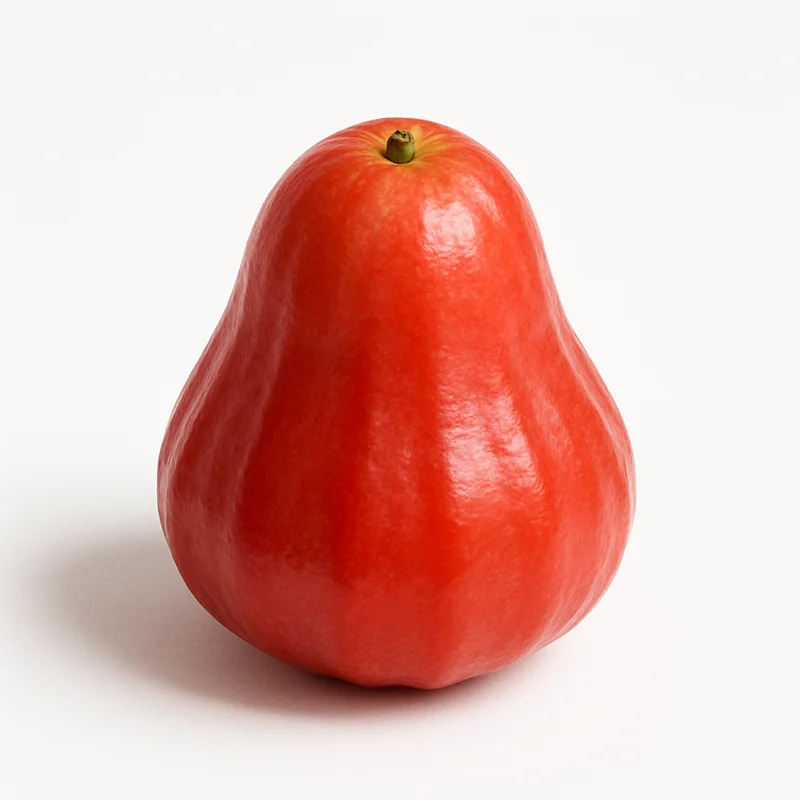
Rose-Apple
ScoreA
Rose-apple is a low-calorie, water-rich tropical fruit with mild sweetness and crisp texture, providing notable vitamin C and potassium for cardiovascular and immune support.
Why Rose-Apple scores 82
% Daily Value per 1 medium (140 g)
Nutrition
per 100 g
Health benefits
Immune system support and antioxidant defense
moderate evidenceVitamin C (22.3mg/100g) acts as a cofactor for collagen synthesis and immune cell function, while polyphenols scavenge free radicals that accumulate with age
Cardiovascular health and blood pressure regulation
moderate evidencePotassium content (123mg/100g) supports sodium-potassium pump function, promoting vasodilation and healthy blood pressure, while polyphenols may reduce arterial stiffness
Anti-inflammatory effects
emerging evidenceEllagic acid and gallic acid in rose-apple demonstrate anti-inflammatory activity in cell and animal studies, potentially reducing chronic inflammation associated with aging
Hydration and metabolic efficiency
moderate evidence95% water content with minimal calories supports cellular hydration and satiety signaling, promoting metabolic efficiency without glucose spikes
Pairs well with
- ·Pair with leafy greens (spinach, kale) because vitamin C enhances non-heme iron absorption from plant sources, addressing the minimal iron content in rose-apple alone
- ·Combine with nuts or seeds (almonds, pumpkin seeds) because fat-soluble vitamin A in rose-apple (17 IU) requires dietary fat for absorption, and seeds add fiber missing in the fruit
- ·Mix with Greek yogurt or cottage cheese because protein complements rose-apple's carbohydrates for stable blood sugar and sustained satiety, while calcium synergizes for bone health
- ·Pair with ginger or turmeric because these anti-inflammatory rhizomes synergize with rose-apple's polyphenols for enhanced anti-inflammatory and antioxidant effects
Practical tips
- ·Best timing: Rose-apple's low glycemic load, high water content, and minimal caloric density make it suitable throughout the day. Morning consumption supports hydration and vitamin C uptake; midday snacking promotes satiety without energy crashes; evening consumption poses no sleep disruption risk due to negligible caffeine and low sugar content.
- ·Select firm rose-apples with slight give to pressure and even coloring; avoid soft or bruised specimens, which deteriorate rapidly due to high water content
- ·Store at room temperature for 2-3 days or refrigerate in a perforated plastic bag for up to 1 week; consume within days of purchase as shelf-life is limited
- ·Eat with skin intact to maximize fiber and polyphenol intake, washing thoroughly under running water before consumption
- ·Consume fresh and whole rather than juiced to preserve satiety benefits of intact fruit structure and avoid rapid fructose absorption
- ·Incorporate into morning fruit salads or midday snacks with nuts to address the 0g fiber content and create balanced macronutrient profiles
Related foods
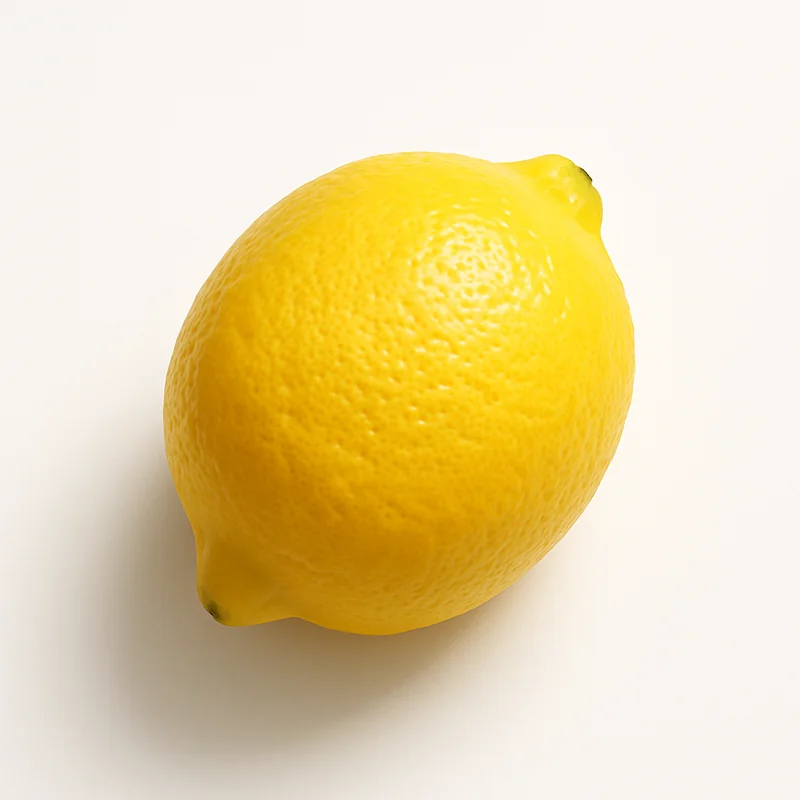
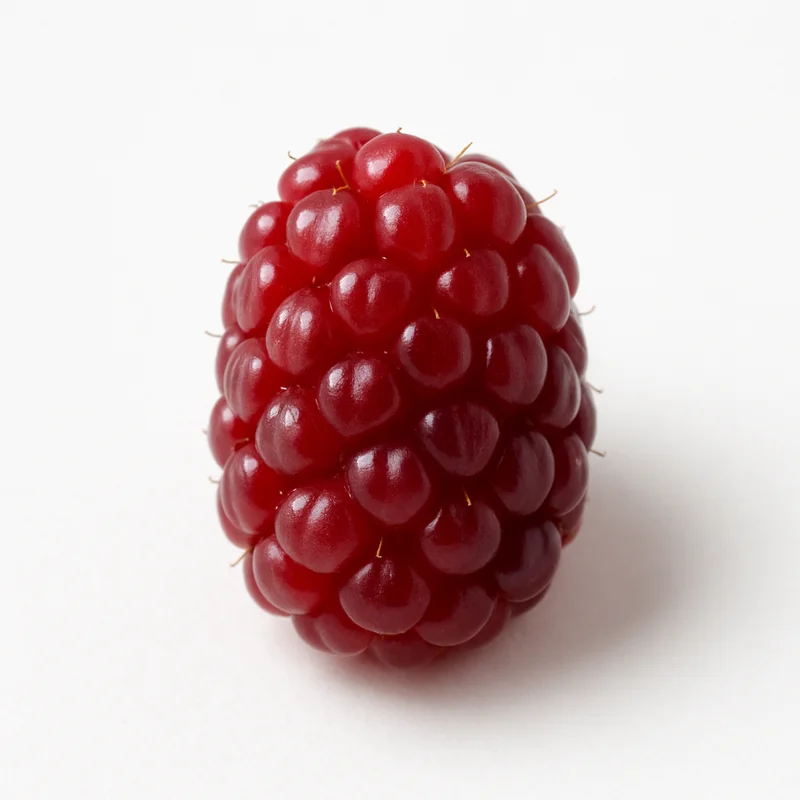
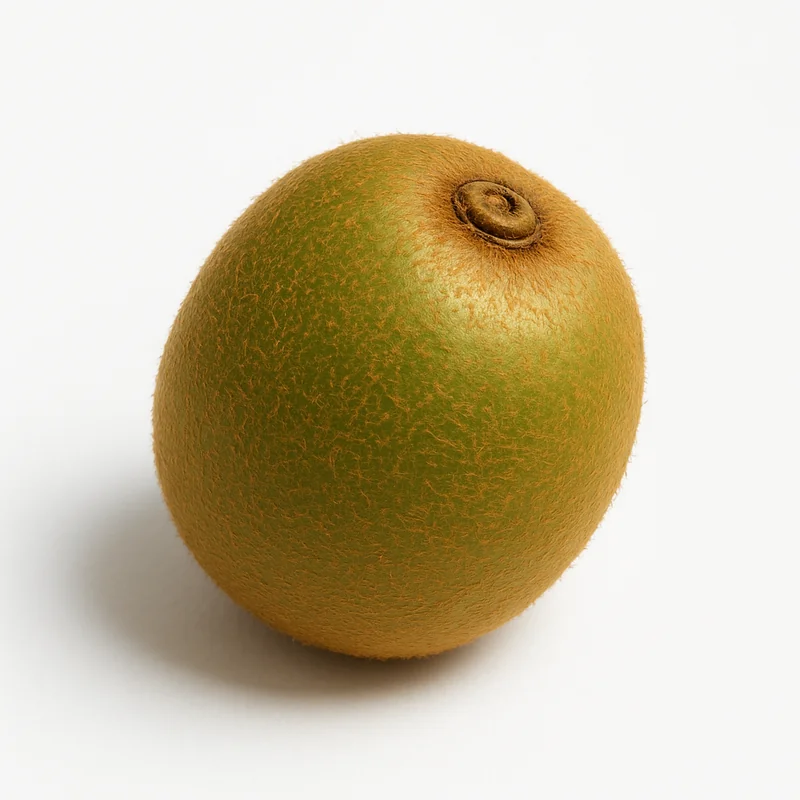
What is Rose-Apple actually covering?
See which nutrients your diet already delivers and which ones your supplements still need to — food and pills measured on the same scale.
Check my nutrients2 questions · free · no account needed to start
Also on iPhone — get the free app
Evidence-based supplement guides, no spam
We send a short digest when new guides drop — nothing else. No affiliate pushes, no sponsored content, unsubscribe anytime.