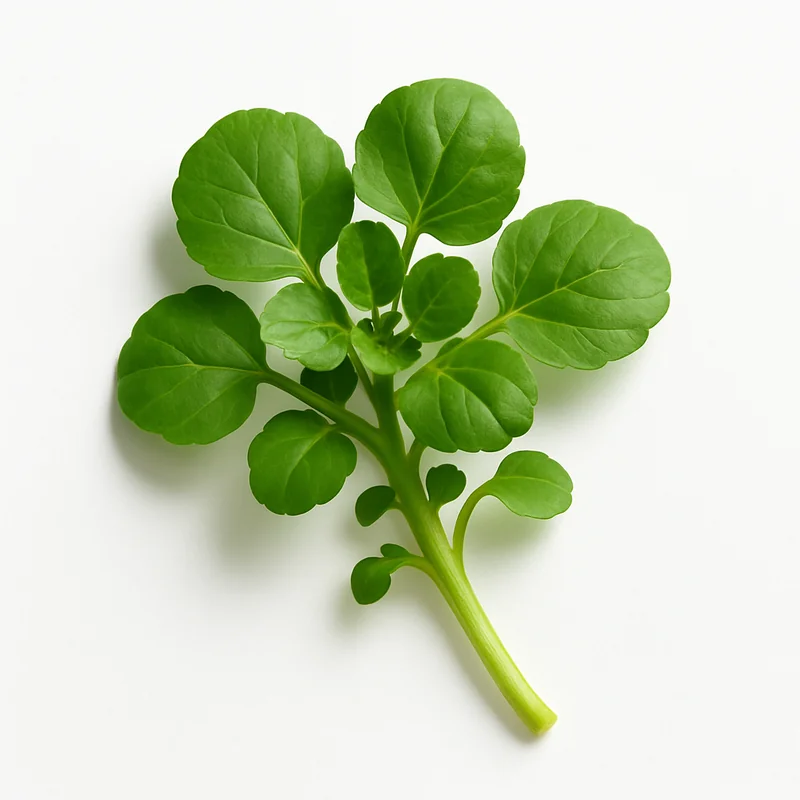
Cress
ScoreA+
Cress is a nutrient-dense leafy green vegetable exceptionally high in vitamin K, potassium, and glucosinolates, compounds with established anti-inflammatory and potential cancer-preventive properties.
Why Cress scores 93
% Daily Value per ½ cup (85 g)
Nutrition
per 100 g
Health benefits
Supports bone health and cardiovascular calcification prevention
strong evidenceVitamin K activates osteocalcin and matrix Gla-protein, essential for bone mineralization and preventing arterial calcification, reducing fracture and cardiovascular disease risk
Enhances detoxification and may reduce cancer risk
moderate evidenceGlucosinolates convert to isothiocyanates, which activate Phase II detoxification enzymes and induce apoptosis in precancerous cells
Regulates blood pressure and reduces cardiovascular disease risk
strong evidenceHigh potassium content (606 mg/100g) counters sodium effects on blood vessels, supporting vasodilation and reducing hypertension risk
Supports cognitive function and reduces neuroinflammation
moderate evidenceCholine and folate support acetylcholine synthesis and methylation reactions; glucosinolates reduce neuroinflammatory pathways implicated in cognitive decline
Promotes antioxidant defense and immune resilience
strong evidenceVitamin C boosts glutathione synthesis and immune cell function; phenolic compounds neutralize reactive oxygen species and support interferon production
Pairs well with
- ·Pair with olive oil or avocado because fat-soluble vitamin K requires dietary lipids for optimal absorption and bioavailability
- ·Combine with citrus (lemon, lime) because vitamin C enhances iron absorption from cress, increasing bioavailability of non-heme iron for anaerobic endurance
- ·Pair with cruciferous vegetables (broccoli, cabbage) because combined glucosinolate load maximizes Phase II enzyme upregulation for enhanced detoxification
- ·Add to meals with fish or nuts because cress's folate and potassium synergize with omega-3s for anti-inflammatory cardiovascular support
Practical tips
- ·Best timing: Cress is nutrient-dense with no contraindications for timing; however, consuming with lunch or dinner (alongside fat-containing foods) optimizes vitamin K absorption. Those on warfarin should maintain consistent daily intake to avoid INR fluctuations.
- ·Consume cress raw or with minimal heat (blanch <30 seconds) to preserve glucosinolates and vitamin C, which degrade rapidly during cooking
- ·Store unwashed cress in a sealed container with damp paper towels in the refrigerator; use within 3-4 days for peak glucosinolate content
- ·Chew thoroughly or blend cress into smoothies to rupture cell walls, activating the myrosinase enzyme that converts glucosinolates to bioactive isothiocyanates
- ·Add 1-2 cups fresh cress to salads, soups, or smoothie bowls daily; this provides ~1080 mcg vitamin K, exceeding the adequate intake in a single serving
- ·Grow cress indoors year-round in shallow containers with moist soil; homegrown cress matures in 2-3 weeks and offers peak nutrient density
Related foods
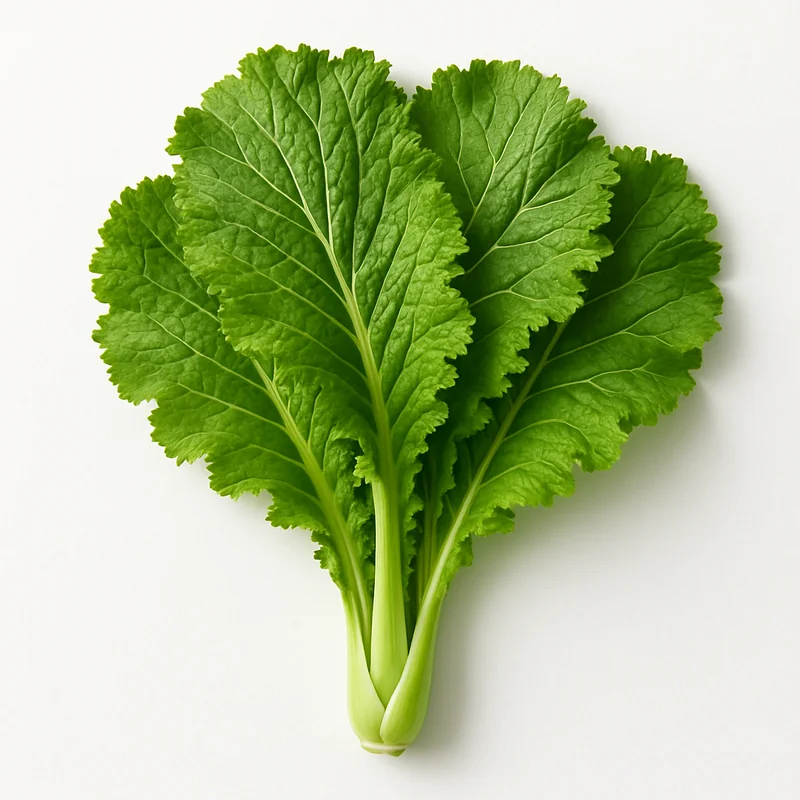
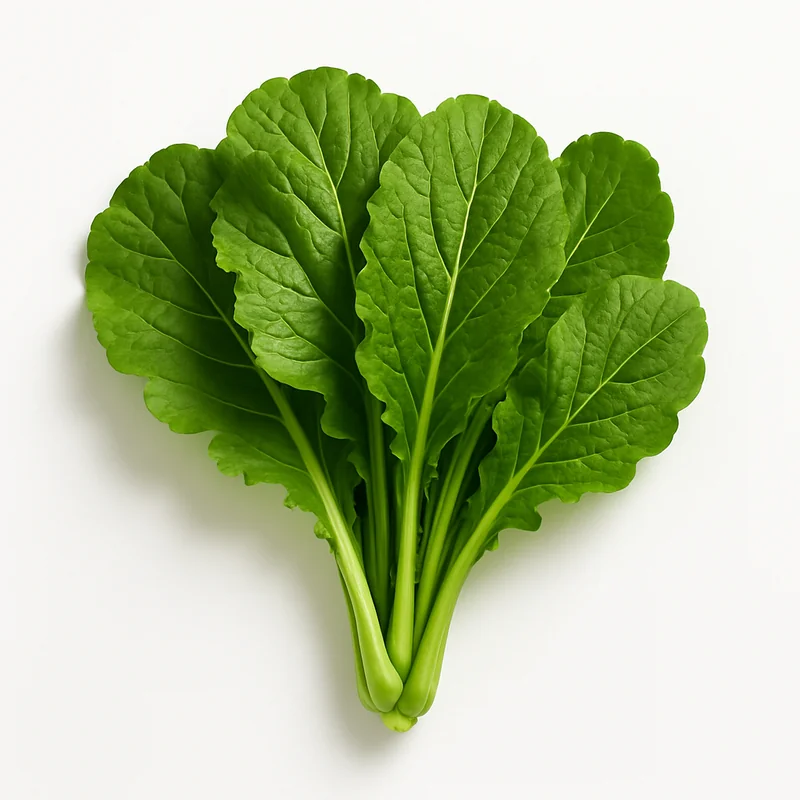
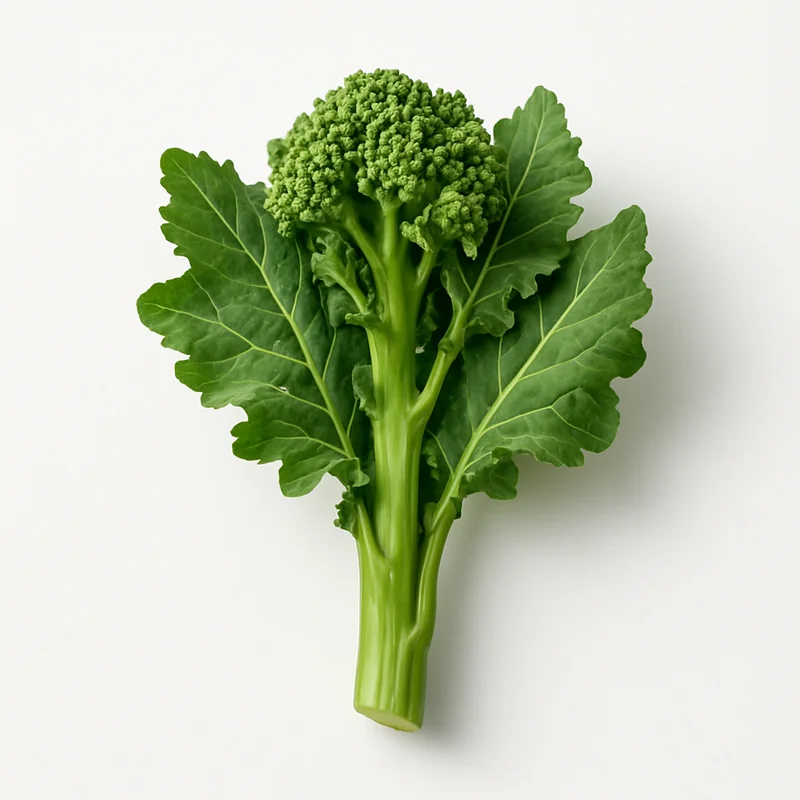
What is Cress actually covering?
See which nutrients your diet already delivers and which ones your supplements still need to — food and pills measured on the same scale.
Check my nutrients2 questions · free · no account needed to start
Also on iPhone — get the free app
Evidence-based supplement guides, no spam
We send a short digest when new guides drop — nothing else. No affiliate pushes, no sponsored content, unsubscribe anytime.