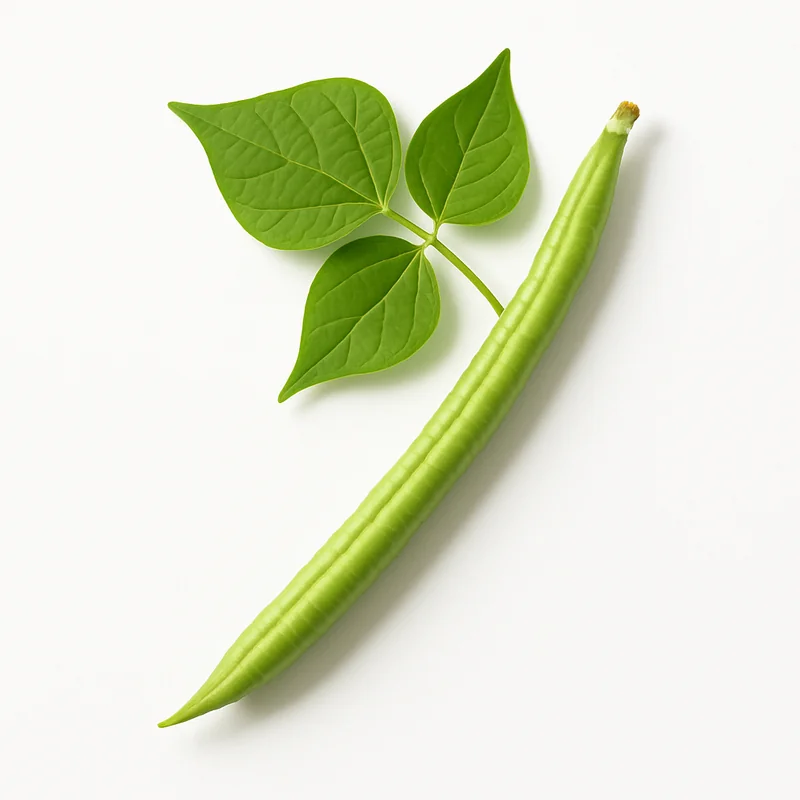
Cowpea
ScoreA+
Cowpea is a nutrient-dense legume rich in plant-based protein, fiber, and folate, making it a cornerstone food for sustained energy and metabolic health. Low in calories with high micronutrient density, cowpea supports cardiovascular and cognitive longevity.
Why Cowpea scores 91
% Daily Value per ½ cup (90 g)
Nutrition
per 100 g
Health benefits
Improved glycemic control and reduced type 2 diabetes risk
strong evidenceHigh fiber content (3.3g/100g) and resistant starch slow glucose absorption, reducing postprandial blood sugar spikes and improving insulin sensitivity over time
Enhanced cardiovascular health and blood pressure regulation
strong evidenceHigh potassium-to-sodium ratio (215:4 mg) supports vasodilation and reduces fluid retention; magnesium and polyphenols reduce arterial stiffness and endothelial dysfunction
Improved gut microbiota composition and barrier function
moderate evidenceResistant starch and dietary fiber serve as prebiotic substrates for beneficial bacteria, increasing short-chain fatty acid production that strengthens intestinal epithelial tight junctions
Reduced homocysteine and improved cognitive aging markers
moderate evidenceHigh folate content (53 mcg) supports one-carbon metabolism and homocysteine remethylation; choline (22 mg) supports acetylcholine synthesis for cognitive function
Anti-inflammatory and antioxidant protection
moderate evidencePolyphenols including catechin and epicatechin suppress NF-κB inflammatory signaling and scavenge reactive oxygen species, reducing chronic disease biomarkers
Pairs well with
- ·Pair with tomatoes because lycopene absorption is enhanced by the legume's fat content and the combination reduces postprandial glycemic response synergistically
- ·Combine with whole grains (brown rice, quinoa) because cowpea's incomplete amino acid profile complements grain proteins, forming complete protein with all 9 essential amino acids
- ·Pair with leafy greens (spinach, kale) because vitamin C in greens (33 mg per 100g cowpea) enhances non-heme iron bioavailability from the legume by 3-4 fold
- ·Combine with olive oil because fat-soluble vitamin K (31.5 mcg) absorption requires dietary lipids for proper activation of bone and vascular proteins
Practical tips
- ·Best timing: midday
- ·Soak dried cowpeas for 8-12 hours before cooking to reduce oligosaccharides that cause digestive discomfort, improving digestibility and nutrient bioavailability
- ·Cook cowpeas with kombu seaweed or ginger to enhance mineral absorption and reduce bloating through enzyme activation and improved digestion
- ·Store cooked cowpeas in airtight containers for up to 5 days refrigerated, or freeze portions for 3 months to maintain resistant starch benefits and convenient meal prep
- ·Consume cooled or room-temperature cooked cowpeas (rather than reheated) to maximize resistant starch content, which increases prebiotic effects on gut microbiota
- ·Choose fresh or frozen cowpeas when available; canned varieties often contain added sodium (check labels for <100 mg per serving) and may have reduced polyphenol content
Related foods
What is Cowpea actually covering?
See which nutrients your diet already delivers and which ones your supplements still need to — food and pills measured on the same scale.
Check my nutrients2 questions · free · no account needed to start
Also on iPhone — get the free app
Evidence-based supplement guides, no spam
We send a short digest when new guides drop — nothing else. No affiliate pushes, no sponsored content, unsubscribe anytime.